The Impact of Physical Activity on Motivation and Well-being
1 May 2026
Let’s be honest for a second—most of us know that physical activity is "good for us." Every doctor, fitness coach, and influencer out there seems to chant that mantra like a broken record. But beyond the toned muscles and improved heart health, there’s something deeper happening when we move our bodies. I’m talking about motivation and well-being—two things that define how we feel, how we act, and how we show up in life.
Ever wonder why a simple morning walk can change the entire vibe of your day? Or why you feel like a superhero after a solid gym session? Let’s dive into the psychological magic behind physical activity and how it can give your motivation and well-being the glow-up they deserve.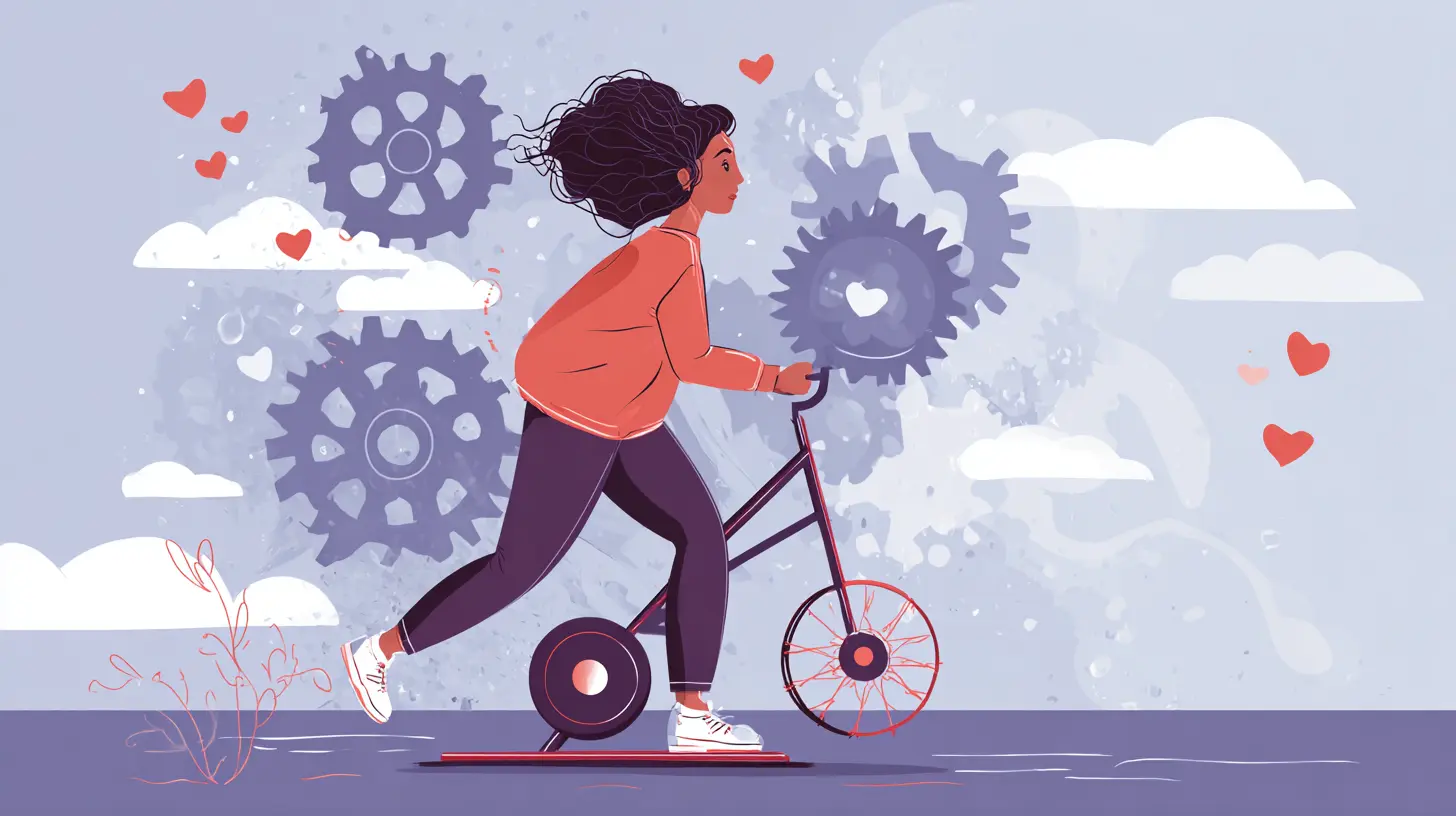
The Mind-Body Connection: More Than Just a Buzzword
We throw around the phrase “mind-body connection” like it’s a fancy slogan, but it’s rooted in real science. When we move our body, something amazing happens—invisible sparks start flying in our brain. Neurotransmitters like dopamine and serotonin (a.k.a. the "feel-good" chemicals) are released, and bam—our brain is happier, more relaxed, and more focused.You don’t have to run a marathon to feel it. Even light to moderate exercises such as walking, yoga, or cycling can kick-start this internal fireworks show.
So, the next time you’re feeling “blah,” remember this: your body might just be the switch to reset your mind.
Why Physical Activity Fuels Motivation
Here’s the deal—motivation doesn’t always show up when you want it to (kind of like your favorite coffee shop being closed on a rough Monday morning). But physical activity can give it a jumpstart. Here’s how:1. The Dopamine Effect
Dopamine is the brain’s reward chemical. When you finish a workout, complete a run, or simply move around, your brain gives you a shot of dopamine. This creates a little internal reward system that says, “Hey, that felt good, let’s do it again.”Over time, this cycle helps you build habits. The more you move, the more motivated you are to keep moving. It’s like planting a seed of energy that keeps on growing.
2. Goal-Setting Becomes Easier
Ever notice how you start setting goals after you commit to a workout routine? Maybe it begins with something small like “I want to jog 3 times a week.” Then suddenly, you’re setting goals for work, relationships, or personal growth. That’s not a fluke—it’s your brain getting better at structuring and achieving goals thanks to the mental discipline built through physical activity.3. Energy Creates Energy
It sounds backward, right? When you're tired, the last thing you want to do is exercise. But physics (and psychology) say otherwise. Motion begets motion. A brisk walk or a few jumping jacks can send fresh oxygen to your brain, wake up your senses, and give you a second wind.
Physical Activity and Well-being: The Deep Emotional Side
Let’s strip it down: well-being isn’t just about being happy. It’s about feeling balanced, fulfilled, emotionally stable, and mentally strong. And guess what? Moving your body plays a massive role in all that.1. Reduces Anxiety and Depression
According to research, regular physical activity can be just as effective as medication in treating mild-to-moderate depression. Why? Because it helps regulate mood hormones, reduces stress, and shifts focus away from negative thought cycles.Think of it like shaking a snow globe. When your worries and stress levels settle like the snowflakes, your mind gets a clearer view.
2. Improves Sleep Quality
Sleep and well-being go hand in hand. Struggling to fall asleep or stay asleep? Physical activity helps regulate your circadian rhythm—the body’s internal clock. Plus, the more energy you burn during the day, the more your body craves rest at night. Win-win.3. Boosts Self-Esteem and Confidence
Accomplishing a physical task—whether it’s lifting a heavier weight, running a longer distance, or nailing that yoga pose—gives you a sense of progress. And progress = confidence.It’s like giving yourself little internal high-fives each time. Over time, this builds a more positive self-image that spills over into other parts of your life.
The Role of Routine in Sustaining Motivation and Well-being
You know how brushing your teeth is a no-brainer part of your day? That’s how physical activity should be too. The secret isn’t in flashy workouts or 5AM boot camps; it’s in consistency.Create Realistic Habits
You don’t need to train like an Olympian. Start simple. Think: 20-minute walk, 10-minute stretch, or a short YouTube workout. The goal is to create a routine that feels doable and enjoyable. Motivation fades, but habits stick.Make It Enjoyable, Not Punishment
If you hate running, don’t do it. Seriously. Find what you love—dancing, hiking, swimming, Pilates—anything that keeps you moving and smiling. When you enjoy it, you’re more likely to stick with it.Small Moves, Big Payoff: The Science-Backed Benefits
We often think we need to go full throttle to see results. But the truth is, even small doses of exercise can yield big psychological benefits. Let’s break down some of the key benefits backed by science:✦ Improved Emotional Resilience
People who exercise regularly tend to handle stress better. They’re more adaptable, less reactive, and more grounded when life throws curveballs.✦ Enhanced Cognitive Function
Physical activity increases blood flow to the brain, sharpening memory, creativity, and focus. This is especially helpful if you’re stuck in a mental fog or trying to solve a tricky problem.✦ A Natural Energy Booster
Forget that third cup of coffee—just 15 minutes of activity can give you the energy boost you’re craving.The Psychological Barriers—and How to Break Them
Let’s not pretend that the path to consistent movement is always smooth. Life gets busy, motivation dips, and sometimes the couch is way too comfy. Here are a few common barriers and how to tackle them:1. "I Don't Have Time"
You do—you just need to rethink how you use it. Try 5-minute “movement snacks” throughout the day. Get up, stretch, walk around your house, do 10 squats. It all adds up.2. "I'm Too Tired"
This one’s ironic because movement often gives you more energy. Promise yourself just 5 minutes. If you still feel dead after that, give yourself a pass. But chances are, you’ll keep going.3. "I'm Not Fit Enough"
No one starts off being fit. Remember: progress over perfection. Your journey is your own, and every step counts—literally.Real Talk: My Personal Experience
Let me get personal for a second. I used to struggle with anxiety and lack of motivation. The idea of going to the gym felt like climbing Everest barefoot. But one day, I decided to take a walk. That walk turned into a daily habit. Soon I was stretching more, sleeping better, feeling less anxious, and actually looking forward to movement.It became a form of therapy—a safe space where I could just breathe, move, and reset.
Some Tips to Get Started Right Now
If you’ve been wanting to move more but don’t know where to begin, here are a few ultra-doable tips:- Set a mini goal: Try a 5-minute walk after lunch every day for a week.
- Find movement you enjoy: Dance in your kitchen, play with your dog, or try a new workout app.
- Celebrate small wins: Every step, every stretch, and every workout is a win.
- Buddy up: Work out with a friend, partner, or even join an online challenge.
- Track your progress: Not for the numbers, but for the feeling. A little journal can go a long way.
Final Thoughts: Move for Your Mind, Not Just Your Body
Look, life can be messy, unpredictable, and downright exhausting. But your body? It’s your ultimate tool for navigating it all.When you move your body, you aren’t just burning calories—you’re lighting a motivational fire, calming your nervous system, and investing in long-term well-being.
So don’t wait for the “perfect moment” or the “right mindset.” Start moving now. Your brain, mood, and motivation will thank you.
all images in this post were generated using AI tools
Category:
MotivationAuthor:

Ember Forbes
Discussion
rate this article
1 comments
Eleanor McCloud
This article highlights an important connection between physical activity and mental health. I've noticed that when I make time for exercise, my motivation improves and my overall mood lifts. It's a simple yet powerful reminder that taking care of our bodies can have a profound effect on our minds.
May 14, 2026 at 4:56 AM
Ember Forbes
I appreciate your insight. It's amazing how exercise can boost not just our physical health but also our mood and motivation. Thanks for sharing your experience!