How Phobias Develop and Are Treated
5 February 2026
Let’s talk about phobias. You know, those irrational fears that make some of us bolt at the sight of a spider or break into a cold sweat just thinking about flying in a plane. It's not just being a little nervous—phobias are like your brain hitting the panic button on loop, even when there’s no real danger. Sounds dramatic? That’s because it kind of is.
In this article, we’re going to unpack how phobias develop (spoiler: your brain can be a bit of a drama queen) and how we can gently, lovingly retrain it to chill out. So buckle up—unless you're afraid of seatbelts. In that case… maybe just sit comfortably.
What Even Is a Phobia?
Let’s clear the air. A phobia isn't just being afraid of something. Nope. It's an intense, persistent, often unreasonable fear that leads you to avoid the object, situation, or creature like it’s trying to steal your lunch money.Phobias can be about almost anything. From spiders (arachnophobia) to clowns (coulrophobia), elevators, heights, thunder, even peanut butter sticking to the roof of your mouth (that one’s called arachibutyrophobia... fancy, right?).
There are three main types:
- Specific Phobias: Fear of a specific thing like snakes, flying, or dentists.
- Social Phobia (Social Anxiety Disorder): Fear of being judged or humiliated in social situations.
- Agoraphobia: Fear of being in situations where escape might be hard—or super awkward.
But the million-dollar question is: where do these fears come from?
The Origin Story: How Phobias Develop
Phobias don’t come out of thin air. Your brain actually thinks it’s doing you a solid. Let’s dive into the most common ways phobias tend to take root.1. Past Traumas: The Ghosts of Fears Past
Maybe you got chased by a dog as a kid. Or maybe you got stuck on a Ferris wheel for way too long. Boom—your brain takes a mental screenshot and files it under “never again.” This is classic classical conditioning (cue Pavlov and his bell). You associate a scary experience with an otherwise harmless object or situation, and the fear sticks around like glitter after a craft project.2. Learned Behavior: Monkey See, Monkey Fear
Your brain’s also a bit of a copycat. If Mom screamed every time she saw a spider, chances are you grew up flinching at even the thought of eight legs. This is what's called observational learning, and it turns out the fear of many phobias can be contagious—without even realizing it.3. Genetics: Fear Can Run in the Family
Some of us are just more wired to worry. If anxiety disorders run in your family, there's a decent chance you'll be more prone to developing a phobia. Blame it on your overachieving amygdala (the part of your brain responsible for fear). It's like the neighborhood watch of your brain—only it’s always on high alert.4. Brain Chemistry and Personality: The Perfect Fear Cocktail
Some people are naturally more sensitive, shy, or cautious. Those personality traits—combined with certain imbalances in brain chemistry—can crank up the odds of developing a phobia. Think of it like the perfect storm of overthinking and overreacting.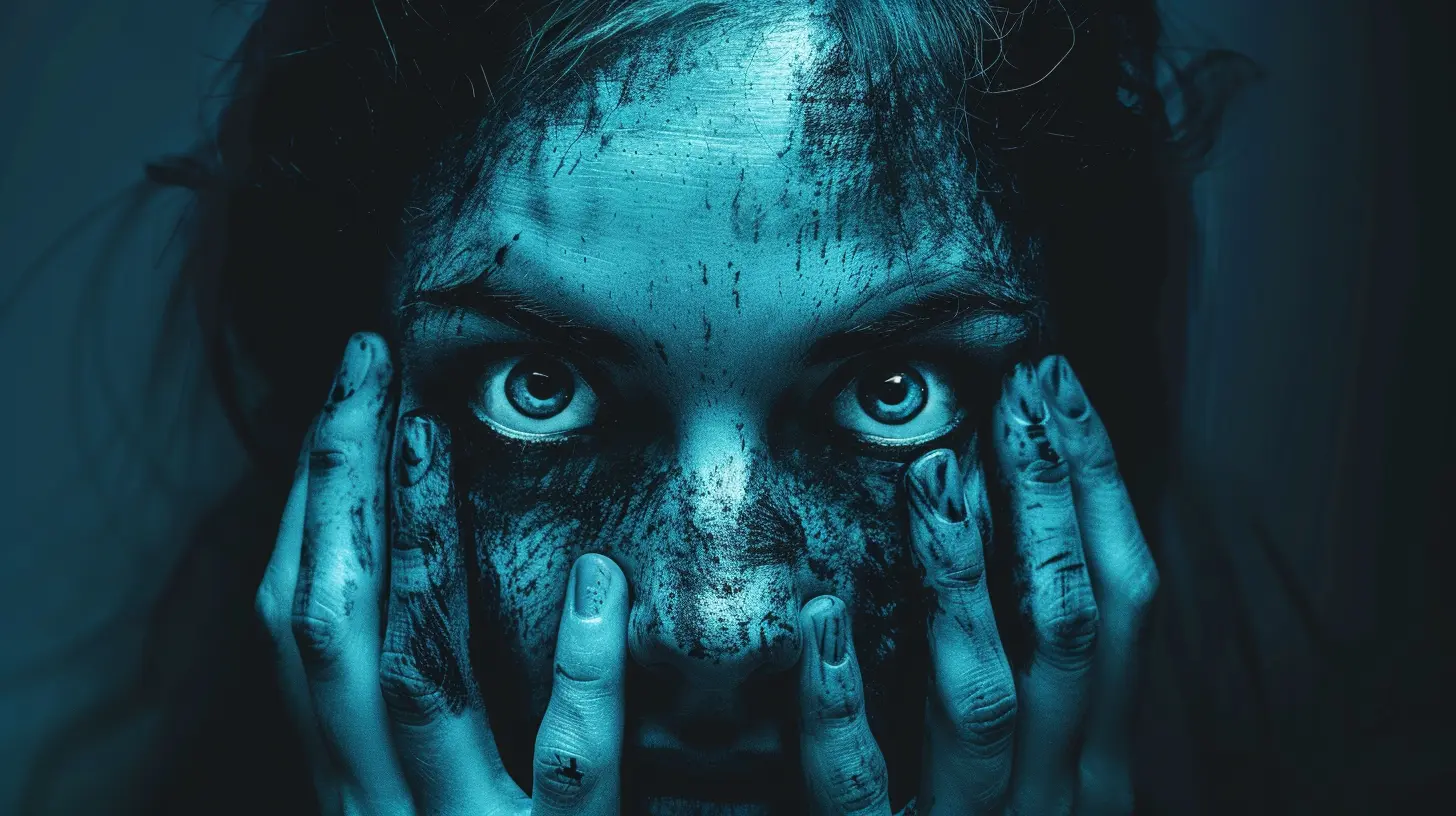
Signs and Symptoms: How Phobias Show Up
Phobias don’t just make you nervous—they hijack your whole system. Here’s what you might feel when confronted with your phobic trigger:- Heart pounding like you just ran a marathon (without actually moving)
- Shortness of breath
- Dizziness or light-headedness
- Nausea (yep, even vomit is on the table)
- Sweating like you’re in a sauna
- A desperate need to get the heck outta there
And all these delightful effects can kick in even thinking about your fear. Your brain doesn’t wait for the real thing—it throws the emergency party early.
Why Phobias Stick Around
Here’s the kicker: phobias are incredibly self-sustaining. The more you avoid your fear, the scarier it seems. It’s like that one drawer in your kitchen you refuse to open. The mystery just grows.Avoidance gives you temporary relief, sure. But in the long run? It only strengthens the fear response.
Phobias thrive in the absence of confrontation—like dust bunnies under the bed. Leave them alone and they multiply.
Treatment: How to Show Fear the Door
Okay, so we’ve talked about how phobias park themselves in your brain rent-free. Let’s now tackle how to evict them. Good news? They're treatable. Not-so-good news? It might require you to get a little uncomfortable first.1. Cognitive Behavioral Therapy (CBT): The Gold Standard
CBT is like sending your brain back to school. It helps you understand the thoughts behind your fears and challenges the “what ifs” that spiral out of control. Spoiler alert: the worst-case scenario your brain dreams up? It barely ever happens.CBT often involves a technique called exposure therapy, which is basically like fear bootcamp. You face your fear in baby steps until your brain finally waves the white flag and says, “Okay fine, maybe elevators aren’t possessed.”
2. Virtual Reality Therapy: Facing Fears Digitally
Thanks to technology, exposure therapy doesn't always need a real spider or a flight to get started. Using virtual reality, therapists can help patients confront fears in a safe, controlled, and—dare we say—kinda cool way.VR for fear of heights? You can stand at the edge of a virtual skyscraper without risking your lunch.
3. Medication: Sometimes Your Brain Needs a Helper
For more intense phobias, medication may be used (usually alongside therapy) to take the edge off. Anti-anxiety meds or beta-blockers can help dial down the panic response.Important note: meds don’t cure phobias, but they can make it easier to engage in therapy—and that’s where the real magic happens.
4. Mindfulness and Relaxation Techniques: Calm the Storm
Meditation, deep breathing, progressive muscle relaxation—these all help settle a nervous system that's been hijacked by fear. Teaching your brain to chill, one breath at a time, can take your fear response from “Code Red” to “meh.”5. Support Groups and Talking It Out
Sometimes, just knowing you’re not the only one terrified of bees or bridges can be healing. Group therapy or even online communities can offer support, humor, and tips from fellow fear-fighters.Can Phobias Go Away on Their Own?
Well… yes and no.Mild phobias that don’t interfere too much with life can fade over time, especially if you accidentally face them now and then. But if your phobia keeps you from living fully—or even leaving the house—getting help is the way to go. Waiting for it to vanish might leave you in fear limbo for years.
Kids and Phobias: When Fear Hits Early
Kids are tiny humans with massive imaginations. They often go through phases of fears—monsters under the bed, the dark, loud noises. Totally normal.But if the fear doesn't fade, escalates, or starts to interfere with school or play, it may be worth checking in with a therapist. Early intervention can help nip a phobia in the bud before it turns into a lifelong fear-fest.
Funny (But Real) Phobias You’ve Probably Never Heard Of
Let’s lighten the mood with a few phobias that are real, bizarre, and oddly specific:- Nomophobia: Fear of being without your mobile phone. (Look, we've all had this one during a low battery moment.)
- Pogonophobia: Fear of beards. Santa must be terrifying.
- Anatidaephobia: The fear that somewhere, somehow, a duck is watching you. It's quacking hilarious.
- Hippopotomonstrosesquipedaliophobia: The fear of long words. Oh, the irony.
Humans are wonderfully weird, aren’t we?
Final Thoughts: You’re Not Alone, and You’re Not Broken
Having a phobia doesn’t mean you’re weak, broken, or strange. It means you’re human—with a brain that sometimes overdoes it on the protective instincts. The important thing is knowing that help is out there, and with a bit of courage (and maybe a therapist or two), you can teach your brain that it’s safe to exhale.Face your fears, be kind to yourself in the process, and remember: even the bravest people you know are probably scared of something.
And if that something happens to be ducks? Just remember—they’re probably more afraid of you.
all images in this post were generated using AI tools
Category:
Psychological DisordersAuthor:

Ember Forbes
Discussion
rate this article
2 comments
Kirk McCarron
Understanding phobias empowers us to overcome them and embrace a fearless life!
February 13, 2026 at 3:50 AM
Ember Forbes
Absolutely! Understanding phobias is the first step towards overcoming them and fostering a fearless existence.
Reina Morgan
Understanding the roots of phobias is essential for effective treatment. By exploring the interplay of genetics, environment, and personal experiences, we can unravel the complexities of fear. Emphasizing compassionate therapy and exposure techniques allows individuals to reclaim their lives, transforming what once limited them into a path of growth and resilience.
February 6, 2026 at 5:58 AM
Ember Forbes
Absolutely! Understanding phobia roots is crucial for effective treatment. By integrating genetics, environment, and personal experiences, we can develop compassionate therapies and exposure techniques that empower individuals to overcome their fears and foster resilience.