The Double Stigma: Addressing Mental Health in LGBTQ+ Communities
16 March 2026
Mental health is already a tough subject for many people. Now, imagine dealing with mental health challenges while also facing discrimination because of your identity. That's the reality for many in the LGBTQ+ community. It's like carrying two heavy backpacks at once—one filled with the usual struggles of mental health and the other loaded with societal stigma.
This "double stigma" makes it even harder for LGBTQ+ individuals to find support, take care of their mental well-being, and feel accepted. So, how can we address this issue? Let's dive in.

Understanding the Double Stigma
Being part of the LGBTQ+ community comes with its own unique challenges. Sadly, discrimination, prejudice, and lack of acceptance are still common. When you add mental health struggles to the mix, things get even more complicated.Many LGBTQ+ individuals face rejection from their families, bullying at school, workplace discrimination, and even violence. These experiences can trigger or worsen conditions like anxiety, depression, PTSD, and suicidal thoughts.
This creates a vicious cycle: stigma around LGBTQ+ identities leads to mental health struggles, and mental health issues are often brushed off or misunderstood due to the stigma surrounding mental illness itself.

Why Is Mental Health Important for LGBTQ+ Individuals?
Mental health is important for everyone, but LGBTQ+ individuals are at a higher risk for various mental health conditions. Studies show that they are more likely to experience:- Depression and anxiety – Constant stress, harassment, and fear can lead to chronic mental health conditions.
- Suicidal thoughts and self-harm – LGBTQ+ youth, in particular, have alarmingly high rates of suicide attempts compared to their non-LGBTQ+ peers.
- Substance abuse – Some individuals turn to drugs or alcohol as a way to cope with stress and trauma.
- Eating disorders – Body image issues and societal pressures can contribute to unhealthy relationships with food and self-image.
Without proper support, these issues can spiral out of control. That's why addressing mental health in LGBTQ+ communities isn't just important—it's essential.

The Barriers to Seeking Help
With so many struggles, you might think LGBTQ+ individuals would immediately seek mental health care. But it's not that simple. There are several obstacles standing in their way.1. Lack of LGBTQ+-Inclusive Mental Health Care
Not every therapist or counselor is trained to understand the unique experiences of LGBTQ+ individuals. Some professionals may even hold biases or lack the cultural competency needed to provide proper care. Imagine opening up about your struggles only to feel invalidated or misunderstood—it’s enough to make anyone avoid seeking help.2. Fear of Discrimination
Many LGBTQ+ individuals worry about facing judgment or outright discrimination when seeking mental health support. Some fear being "outed" in environments where they are not safe, while others worry about being treated differently by doctors or therapists. This fear alone can prevent them from taking the first step toward healing.3. Financial Barriers
Mental health care is expensive, and not everyone has access to insurance that covers therapy or psychiatric help. LGBTQ+ individuals, especially those who have been rejected by their families, may struggle with financial stability, making it even harder to prioritize mental health care.4. Internalized Stigma
Society has conditioned many LGBTQ+ individuals to believe that their struggles are their fault. This can lead to feelings of shame, self-hatred, and an unwillingness to seek help. If you've been told all your life that who you are is "wrong," it takes time to unlearn that harmful mindset and allow yourself to heal.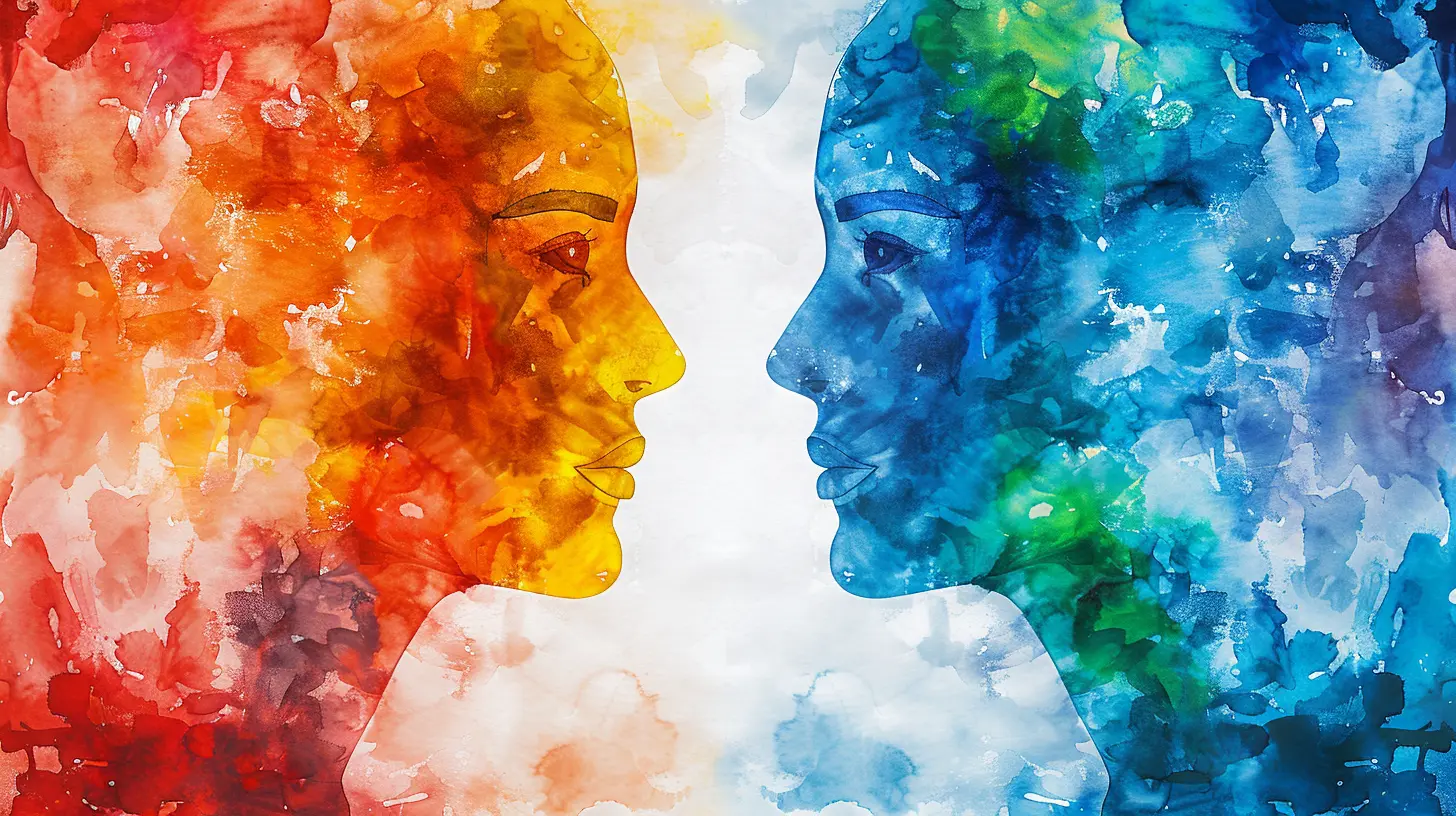
How Can We Address Mental Health in LGBTQ+ Communities?
The good news? Change is possible. Here are some ways we can address mental health challenges in LGBTQ+ communities and create a more supportive environment for everyone:1. Normalize Conversations About Mental Health
Talking about mental health should be as normal as discussing physical health. Creating open, judgment-free spaces where LGBTQ+ individuals feel comfortable sharing their struggles can make a huge difference. The more we talk about mental health, the less power stigma has.2. LGBTQ+-Affirming Mental Health Care
Mental health professionals need to receive proper training on LGBTQ+ issues. Therapists should be knowledgeable, affirming, and inclusive. This includes using the correct names and pronouns, understanding the impact of discrimination, and creating safe spaces for patients to express themselves.3. Accessible & Affordable Care
Financial constraints shouldn’t stop someone from seeking help. Expanding affordable mental health services, offering sliding-scale therapy options, and implementing more LGBTQ+-focused support groups can help bridge the gap. Additionally, insurance providers should ensure that LGBTQ+ individuals have access to comprehensive mental health coverage.4. Stronger Support Systems
Having a solid support system is crucial for mental well-being. Friends, families, and allies play a big role in creating safe spaces where LGBTQ+ individuals feel valued and respected. Schools and workplaces should also have policies in place to protect the mental and emotional well-being of LGBTQ+ individuals.5. Encouraging Self-Care & Community Support
Sometimes, professional help isn’t immediately available, but that doesn’t mean healing has to wait. LGBTQ+ individuals should be encouraged to practice self-care, whether that’s through mindfulness, creative expression, or connecting with supportive communities. Online and in-person LGBTQ+ support groups can provide a sense of belonging and emotional relief.6. Fighting Discrimination at the Root
Addressing mental health in LGBTQ+ communities also means tackling societal discrimination. Policies and laws that protect LGBTQ+ rights, anti-bullying programs in schools, and inclusive workplace practices all contribute to reducing stigma and making mental health care more accessible.Final Thoughts
Dealing with mental health struggles is already hard enough. But for LGBTQ+ individuals, the added burden of stigma and discrimination makes the journey even tougher. The good news? Change starts with awareness, understanding, and action.By breaking the silence around mental health, providing inclusive care, and fostering supportive environments, we can make a real difference. No one should have to struggle in silence. Everyone deserves the right to mental well-being—regardless of their gender identity or sexual orientation.
It’s time we lift the weight of that double stigma, together.
all images in this post were generated using AI tools
Category:
Mental Health StigmaAuthor:

Ember Forbes
Discussion
rate this article
2 comments
Elowen Smith
Thank you for highlighting such an important issue. The intersection of mental health and LGBTQ+ identities is often overlooked. By addressing these challenges, we can foster understanding and create a more supportive environment for everyone. Keep the conversation going.
July 24, 2026 at 3:21 PM
Ember Forbes
You're absolutely right. Open dialogue is crucial for creating that supportive space. Thanks for your thoughts!
Whitney McLanahan
This article sheds light on the critical intersection of mental health and LGBTQ+ identity. It’s fascinating to explore how societal stigma can uniquely impact these communities—insights like these are essential for progress!
March 21, 2026 at 3:47 AM
Ember Forbes
Thank you for your thoughtful comment. I'm glad you found the insights valuable. It's crucial to keep the conversation going.