The Connection Between Meditation and Self-Compassion
21 June 2026
Ever catch yourself being way too hard on yourself? Maybe it was after messing up at work, forgetting something important, or just not living up to your own expectations. If so, you're definitely not alone. Here's the thing — most of us are incredibly kind to our friends when they’re having a rough time, but when it comes to ourselves, we turn into our harshest critics. That’s where self-compassion swoops in. And guess what's one of the best tools to help strengthen it? Yep, meditation.
In this article, we’re unpacking the deep link between meditation and self-compassion—two powerful practices that can genuinely transform how you see yourself and the world. Whether you’re new to either concept or deep into your mindfulness journey, this will give you valuable insights you can take with you.
What is Self-Compassion Anyway?
Let’s start with the basics. Self-compassion is essentially treating yourself with the same kindness, care, and understanding you'd freely offer to a close friend. Think of it like giving yourself an internal hug when things go sideways.The concept was largely popularized by Dr. Kristin Neff, a psychologist and researcher who defines self-compassion through three core elements:
1. Self-Kindness vs. Self-Judgment – Being gentle with yourself instead of beating yourself up.
2. Common Humanity vs. Isolation – Recognizing that everyone makes mistakes and struggles.
3. Mindfulness vs. Over-Identification – Being balanced in your emotions without getting swept away by them.
Sounds easy enough on paper, right? But in reality, especially when you're knee-deep in self-blame, it's a lot harder. That’s where meditation comes into play.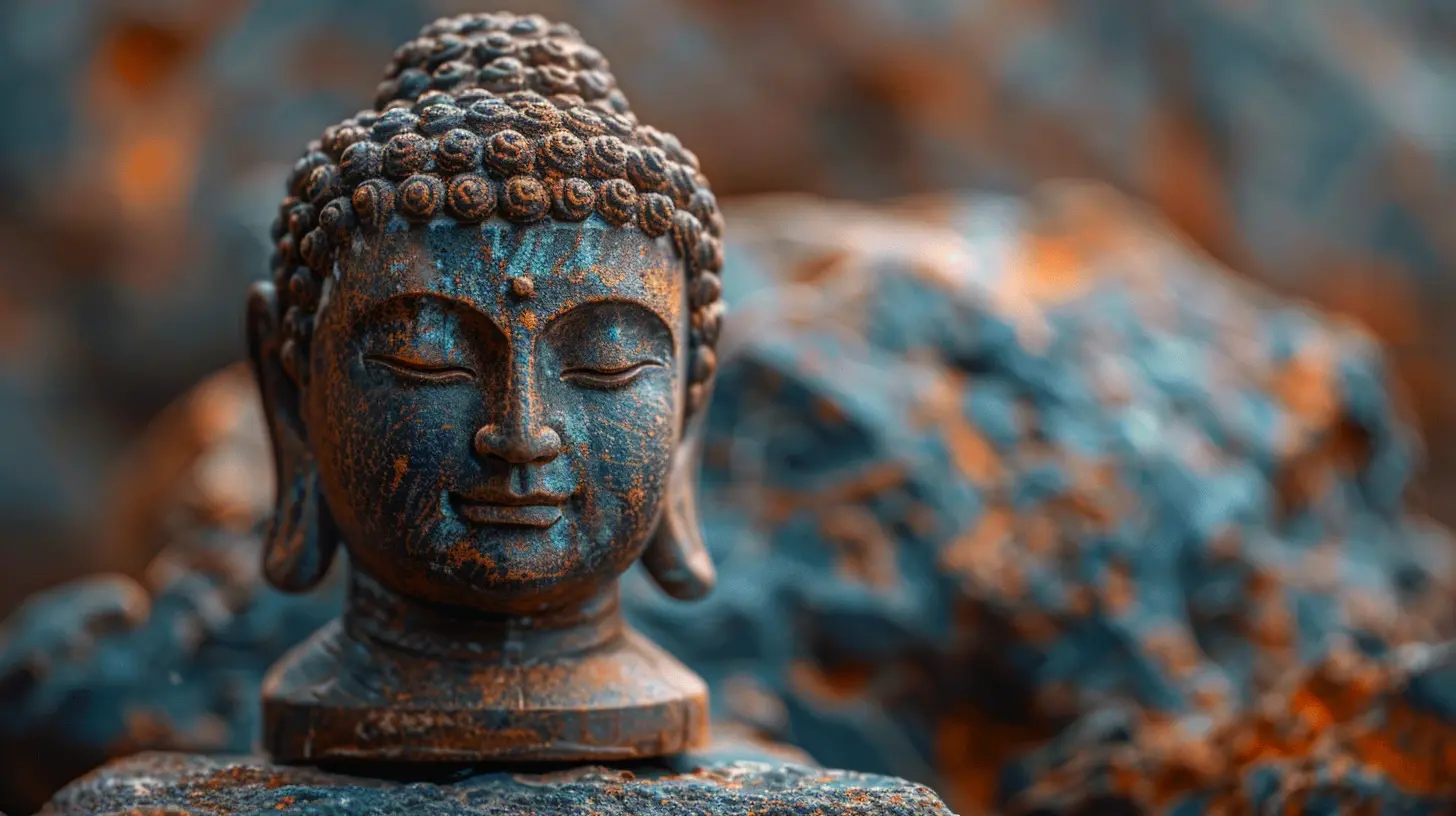
So, What Exactly is Meditation?
Meditation is not just sitting cross-legged on a cushion saying “Om” (though hey, if that’s your thing, go for it). At its core, meditation is about training your mind. Think of it like going to the gym for your brain.There are many types of meditation, but when it comes to self-compassion, mindfulness meditation tends to be the star of the show. It's all about being present in the moment without judgment. You’re not trying to push thoughts away; you’re just learning to observe them without getting tangled up.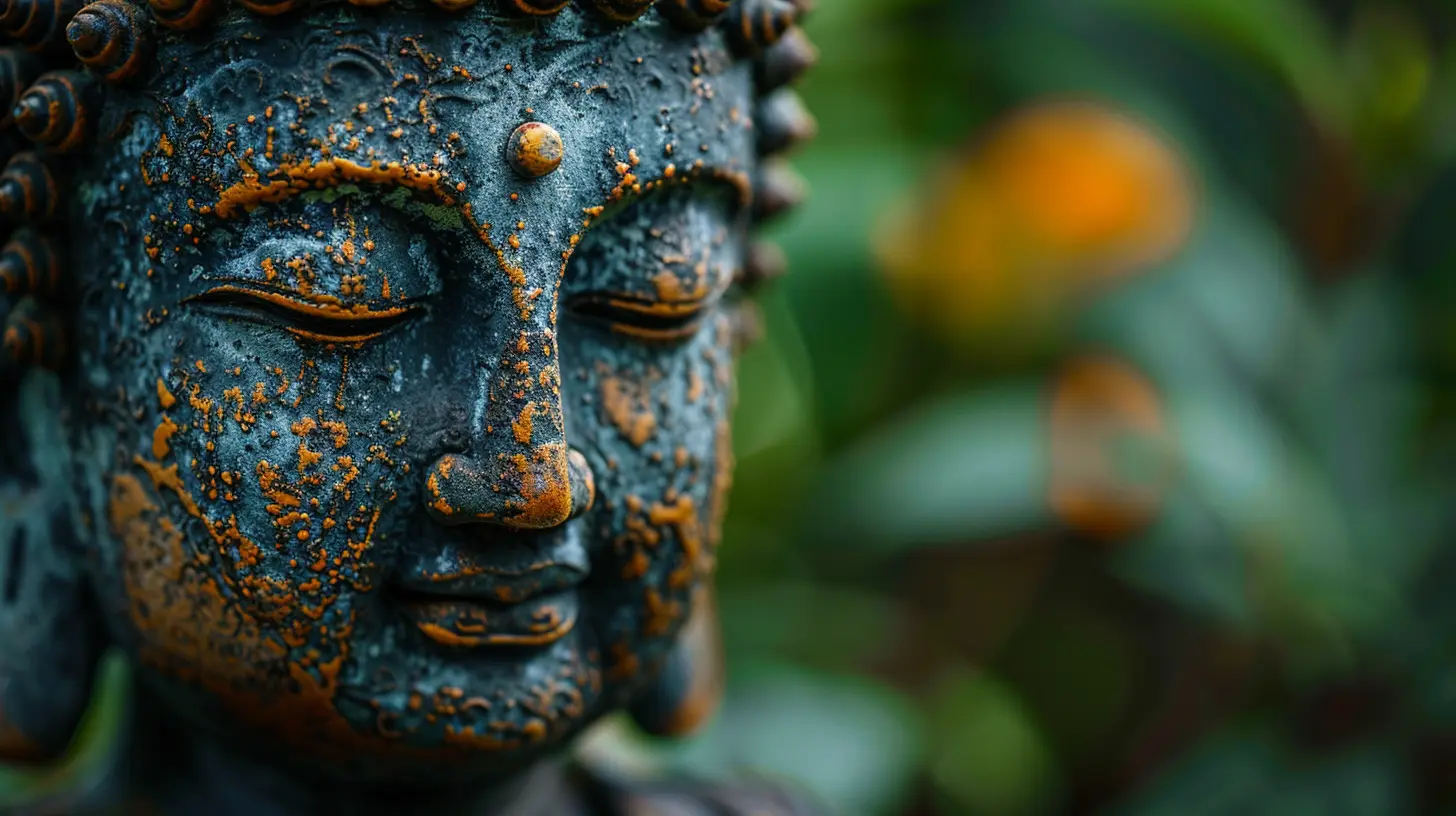
How Meditation Builds Self-Compassion
Let’s go deeper into the heart of the matter — how does meditation actually help you become more self-compassionate?1. It Rewires Your Brain for Kindness
Here’s some literal brainy stuff. Studies using MRIs have shown that consistent mindfulness meditation can increase the activity in brain areas linked to empathy and emotional regulation — namely the prefrontal cortex and the insula.What does that mean in plain English? Your brain becomes better at understanding emotions (yours and others’) and controlling knee-jerk reactions. Translation: You're less likely to spiral into negative self-talk and more likely to give yourself a break.
2. It Helps You Recognize Negative Self-Talk
Ever notice how brutal your inner critic can be? It’s like having a mean little roommate in your head who never shuts up. Meditation helps you notice these thoughts as they arise. And noticing is the first step toward changing them.The more you practice, the more you begin to create space between you and your thoughts. You learn to say, “Oh, there goes that critical voice again,” without immediately buying into it.
3. Encourages Present Moment Awareness
One of the sneaky ways we beat ourselves up is by living in the past — obsessing over things we can’t change. Or we stress about the future — worrying about what might go wrong.Meditation lovingly yanks us back into the now. It teaches us to deal with what’s present, rather than swimming in a pool of “should haves” and “what ifs.” When you're living in the moment, it’s a lot easier to treat yourself with compassion.
4. It Cultivates Emotional Resilience
Life throws curveballs. That’s a given. But meditation gives you the resilience to catch them—or at least not get knocked out by them.By sitting with uncomfortable feelings during meditation, you're training yourself not to run from them. You start to realize that emotions, no matter how intense, are temporary. That realization? It's huge. It means you don't have to panic or beat yourself up when things get rough.
Tried-and-True Meditation Techniques That Boost Self-Compassion
You might be wondering, “Where do I even start?” Don't worry, you don’t need to disappear into a mountain cave to become more self-compassionate. Here are a few beginner-friendly practices to get the ball rolling:1. Loving-Kindness Meditation (Metta)
This one’s a classic. Loving-kindness meditation involves silently repeating phrases like, “May I be happy. May I be healthy. May I be safe. May I live with ease.”At first, saying these things to yourself may feel awkward or even cheesy. But stick with it. Over time, it softens your internal dialogue and helps you extend that same kindness to others.
2. Self-Compassion Break
Dr. Kristin Neff recommends this simple but powerful three-step practice:- Acknowledge suffering (“This is a moment of struggle.”)
- Recognize it's part of life (“Struggle is a part of being human.”)
- Offer kindness (“May I be kind to myself in this moment.”)
You can do this anytime, anywhere. Even in the middle of a tough meeting or an emotional breakdown.
3. Mindful Breathing
Yes, something as basic as breathing can foster compassion. Simply focus on your breath — inhale, exhale, repeat. Every time your mind wanders (which it will), gently bring it back.This practice teaches you patience, grounding, and the art of non-judgmental awareness—which are all critical ingredients for self-compassion.
Real-Life Benefits of Combining Meditation and Self-Compassion
You might be thinking, “Okay, I get the theory, but does this stuff really work in the real world?” Short answer: Absolutely. Let’s look at just a few benefits people report from this combo:1. Reduced Anxiety and Depression
Self-criticism is a known fuel for both anxiety and depression. Meditation helps reduce the intensity of those inner attacks by calming your nervous system and encouraging a more balanced perspective.2. Improved Relationships
When you’re more compassionate with yourself, you naturally become more compassionate with others. Your patience, empathy, and communication skills often improve — and people notice.3. Better Decision-Making
Here’s a surprising one. Being kind to yourself actually improves your ability to make tough decisions. Why? Because you're not paralyzed by fear or failure. You trust yourself more.4. Increased Motivation
Contrary to popular belief, self-compassion doesn’t make you lazy. It makes you resilient. People who practice it are more likely to bounce back after failure because they support rather than shame themselves.Common Myths About Meditation and Self-Compassion
Let’s do some myth-busting, shall we?“Self-compassion is the same as self-pity.”
Nope. Self-compassion acknowledges pain without wallowing in it. Self-pity makes it all about you and isolates you from others. Compassion connects you.“Meditation means clearing your mind.”
Not at all. The goal isn’t to stop thinking; it’s to become aware of your thoughts. Total mental silence? That’s a unicorn.“Being kind to myself will make me weak.”
If anything, it makes you stronger. It takes real courage to face yourself honestly and still choose kindness.Getting Started: Make It Your Own
You don't need an hour a day to benefit from meditation and self-compassion. Start small. Even five minutes can make a difference. The key is consistency.Here are a few tips:
- Set a reminder on your phone.
- Try guided meditations (apps like Insight Timer, Calm, or Headspace are great).
- Find a quiet corner where you feel safe and comfortable.
- Be patient with yourself. It's a journey, not a race.
Final Thoughts
The connection between meditation and self-compassion is more than just a feel-good idea — it's a life changer. When you sit with yourself in stillness, when you allow your thoughts to come and go without judgment, you're building a home inside yourself. A soft place to land when life gets hard.So, next time you mess up or feel overwhelmed, don’t reach for perfection. Reach for kindness. Close your eyes, take a breath, and remember: compassion, especially toward yourself, is never wasted.
all images in this post were generated using AI tools
Category:
MeditationAuthor:

Ember Forbes
Discussion
rate this article
1 comments
Damon Riggs
Meditation enhances self-compassion and emotional resilience.
June 27, 2026 at 2:21 AM
Ember Forbes
Thank you for your insight! Meditation truly plays a vital role in fostering self-compassion and building emotional strength.