The Benefits of Cognitive Behavioral Therapy for Insomnia
26 April 2026
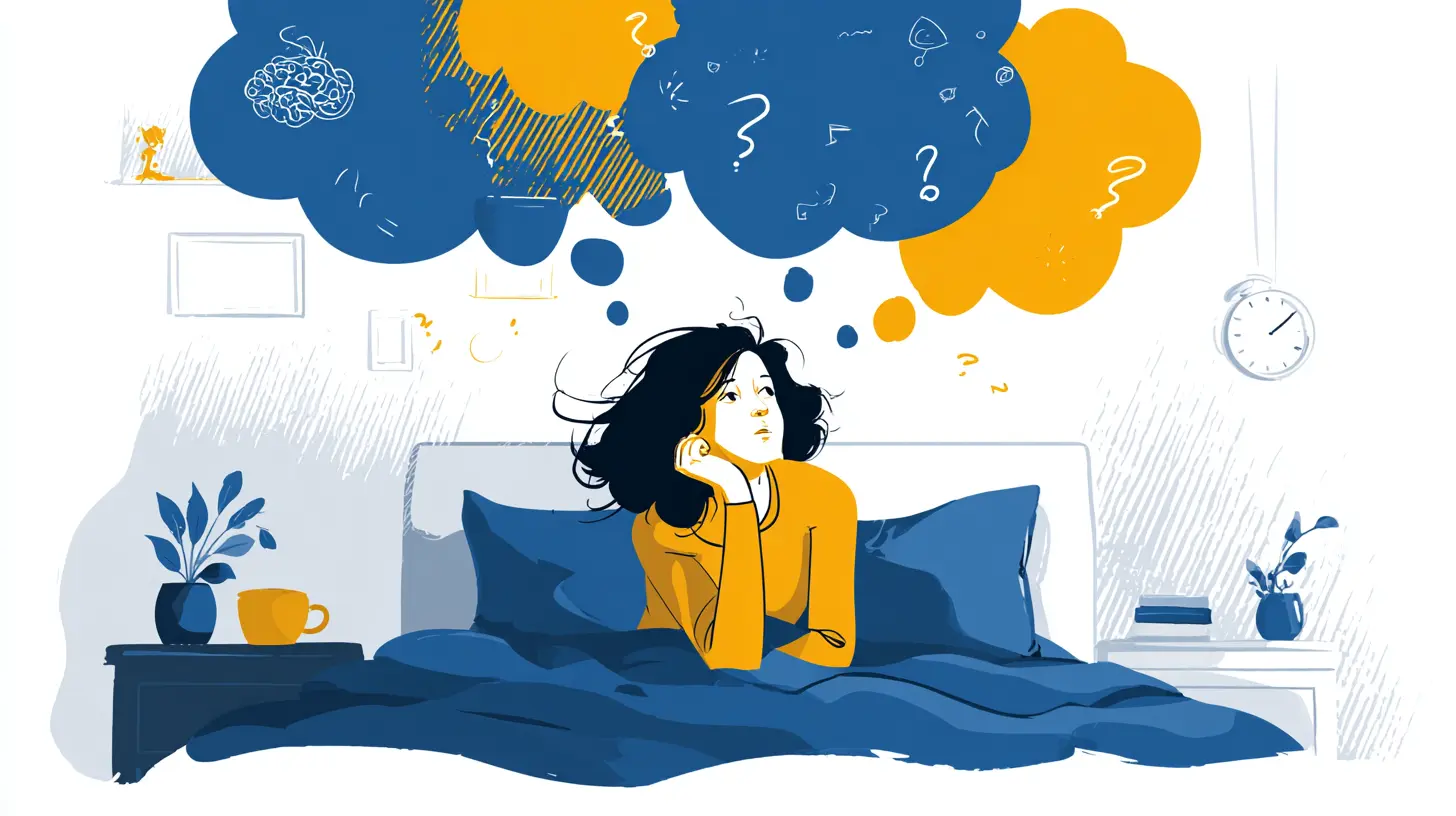
If you’ve ever spent the night tossing and turning, watching the clock tick past 2 AM, you know just how brutal insomnia can be. It doesn’t just rob you of restful sleep—it drains your energy, fogs up your brain, and messes with your mood. And when counting sheep doesn’t cut it, where do you turn? Enter Cognitive Behavioral Therapy for Insomnia (CBT-I). This isn’t just a fancy term therapists throw around; it’s one of the most effective, lasting treatments for people struggling with sleep. Let’s unpack this powerful approach and show you how it can actually help you sleep better—no pills required.

What Is Cognitive Behavioral Therapy for Insomnia (CBT-I), Anyway?
Cognitive Behavioral Therapy for Insomnia is a structured, evidence-based approach that helps you change the thoughts and behaviors that mess with your sleep. Think of it as giving your sleep habits a serious makeover—mental and physical.Unlike sleep medications, which mostly target symptoms in the short term, CBT-I digs deeper. It helps identify the root causes of your insomnia and rewires your thinking to break the cycle of bad sleep. You work with a therapist or follow a structured program that’s designed to alter:
- Negative thoughts about sleep: “I’ll never fall asleep” or “If I don’t sleep, tomorrow will be a disaster.”
- Unhelpful behaviors around bedtime: scrolling through your phone, inconsistent sleep schedules, or lying in bed awake for way too long.
And here’s the kicker: CBT-I doesn’t just work—it sticks. Studies show its results last longer than sleeping pills, with fewer side effects.
Why Is Insomnia Such a Big Deal?
Let’s be real—poor sleep isn’t just an inconvenience. Over time, insomnia can feel like a slow leak that drains your physical and mental health. Chronic insomnia is linked to:- Anxiety and depression
- Weakened immune function
- High blood pressure
- Weight gain
- Poor concentration and memory
It’s like trying to run a marathon on an empty tank—eventually, everything starts to give out. This is why tackling the problem head-on with an approach like CBT-I is so crucial.

The Science Behind CBT-I: Why It Works
CBT-I merges two core psychological strategies: Cognitive therapy and Behavioral therapy. When these two team up, magic happens.The Cognitive Side: Fixing Sleep-Sabotaging Thoughts
Your brain is kind of like your browser—it runs tabs in the background even when you're not aware of them. If your mental "sleep tab" is full of anxious, negative thoughts, it's no wonder your brain won't shut down.CBT-I helps you:
- Identify irrational thoughts (like “I need a full 8 hours or I’ll be useless”)
- Challenge and reframe them (“I’ve functioned fine on less sleep before”)
- Reduce anxiety about sleep, which ironically helps you sleep
The Behavioral Side: Resetting Your Sleep Habits
Are your sleep habits out of whack? Watching Netflix in bed? Sleeping in on weekends? Staying up late “just because”? These behaviors send mixed signals to your brain.CBT-I uses behavioral strategies like:
- Sleep restriction therapy: This sounds scary, but it helps build “sleep pressure” by limiting time in bed, making you more likely to sleep when you do lie down.
- Stimulus control: This is about creating strong associations between bed and sleep. That means no TV, no phone, no working from under the covers.
- Sleep hygiene: This one's about the basics—like keeping your room dark, cool, and quiet, and avoiding caffeine or alcohol before bed.
Mindfulness And Relaxation Techniques
Sometimes, it’s your racing thoughts that keep you up at night. CBT-I often incorporates relaxation training—like deep breathing, progressive muscle relaxation, and guided imagery—to quiet the mental chatter and help your body wind down.
The Benefits of Cognitive Behavioral Therapy for Insomnia
So, how exactly does CBT-I improve your sleep game? Let’s break it down.1. Treats Insomnia at the Root
Unlike sleeping pills that just mask the issue, CBT-I addresses the underlying causes—your thoughts and behaviors. It’s like fixing a leaky faucet instead of just mopping up the water every day.2. Long-Term Relief Without Dependency
One of the biggest perks? CBT-I offers lasting improvement. People often maintain better sleep habits long after therapy ends—no nightly pill required and no withdrawal symptoms.3. Boosts Mental Health
CBT-I doesn’t just help you sleep—it can improve your overall mental health. Better sleep equals reduced anxiety and depression, improved mood stability, and sharper focus.4. Empowers You to Take Control
CBT-I puts you in the driver’s seat. You learn techniques you can apply anytime, anywhere. Instead of relying on a crutch (like medication or sleep teas), you gain real skills to manage your sleep.5. Tailored To You
It’s not a one-size-fits-all program. CBT-I works because it can be customized to your unique sleep patterns, lifestyle, and emotional triggers. Whether you're a night owl or just stressed from work, the therapy adapts to your needs.Who Can Benefit from CBT-I?
Here’s the simple answer: almost anyone with insomnia. Whether your sleeplessness is short-term (like from a breakup or a big project) or chronic (lasting more than three months), CBT-I can help.It’s especially helpful for people who:
- Want to avoid or reduce sleep medication
- Struggle with co-occurring issues like anxiety or depression
- Experience jet lag or have irregular sleep schedules (hello, shift workers!)
- Have already tried everything else and still aren’t sleeping
How Long Does CBT-I Take to Work?
Here’s some good news: CBT-I is typically a short-term treatment. Most people start seeing real results in 4 to 8 weeks. Each session builds on the last, so the change is steady and sustainable.You might start by tracking your sleep, then gradually shift into changing your habits and challenging your thoughts. Like any habit change, the more you stick with it, the better the results.
Can You Do CBT-I on Your Own?
Absolutely. While working with a trained CBT-I therapist is ideal, there are also plenty of online programs and apps that follow the same principles. Some people start with self-help books or guided courses and still see big improvements.That said, if your insomnia is tied to deeper mental health issues like trauma or clinical depression, connecting with a therapist might be a better route. They can tailor the therapy to address both the sleep problems and the emotional triggers behind them.
Are There Any Downsides?
Let’s be transparent—CBT-I isn’t a magic switch. It takes time, effort, and a bit of discomfort upfront, especially when implementing things like sleep restriction (which can make you feel more tired for the first few days). But for many, the rewards far outweigh the temporary struggle.Also, access to CBT-I therapists can be limited depending on where you live. Fortunately, online and digital therapy options are expanding and becoming more affordable.
Real Talk: CBT-I vs. Sleeping Pills
Here’s where it gets real. Meds can knock you out, sure. But they often come with side effects like dependency, grogginess, or reduced REM sleep. Plus, they don’t address the core problem.CBT-I, on the other hand, helps you:
- Build natural sleep patterns
- Reduce your anxiety around sleep
- Stay asleep longer without any substance in your system
Think of it this way: sleeping pills are like fast food—quick, but not sustainable. CBT-I is like learning to cook—takes more effort but way healthier and more satisfying in the long run.
Final Thoughts: Is CBT-I Worth It?
If you’re tired of being tired, CBT-I might be the game-changer you’ve been looking for. It’s not just about better sleep—it’s about reclaiming your nights and showing your sleepless brain who's boss.Sleep doesn’t have to feel like a nightly battle. With CBT-I, you gain the tools to finally rest easy—without relying on external fixes. So, whether you're a chronic insomniac or just struggling to wind down lately, give CBT-I a shot. It might just change your nights forever.
all images in this post were generated using AI tools
Category:
Cognitive Behavioral TherapyAuthor:

Ember Forbes
Discussion
rate this article
1 comments
Cruz Erickson
Cognitive Behavioral Therapy offers practical tools for insomnia by addressing negative thought patterns and behaviors. It empowers individuals to reframe their relationship with sleep, promoting healthier habits and reducing reliance on medication.
May 24, 2026 at 3:22 AM
Ember Forbes
I appreciate your insight. CBT for insomnia truly provides valuable tools for changing thought patterns and improving sleep habits without relying on medication. It's a game changer for many.