Social Media and Mental Health Stigma: Is It Making Things Worse?
14 January 2026
Social media has become an integral part of our lives. From sharing our daily experiences to staying updated on global events, it's hard to imagine a world without it. But when it comes to mental health, is social media a friend or a foe?
There’s no doubt that platforms like Instagram, Twitter, and TikTok have opened up conversations about mental health. More people than ever are discussing anxiety, depression, and therapy—issues that were once deeply stigmatized. But at the same time, these same platforms can spread misinformation, trivialize serious conditions, and even reinforce harmful stereotypes.
So, is social media breaking down the stigma surrounding mental health, or is it making things worse? Let’s dive into this debate.
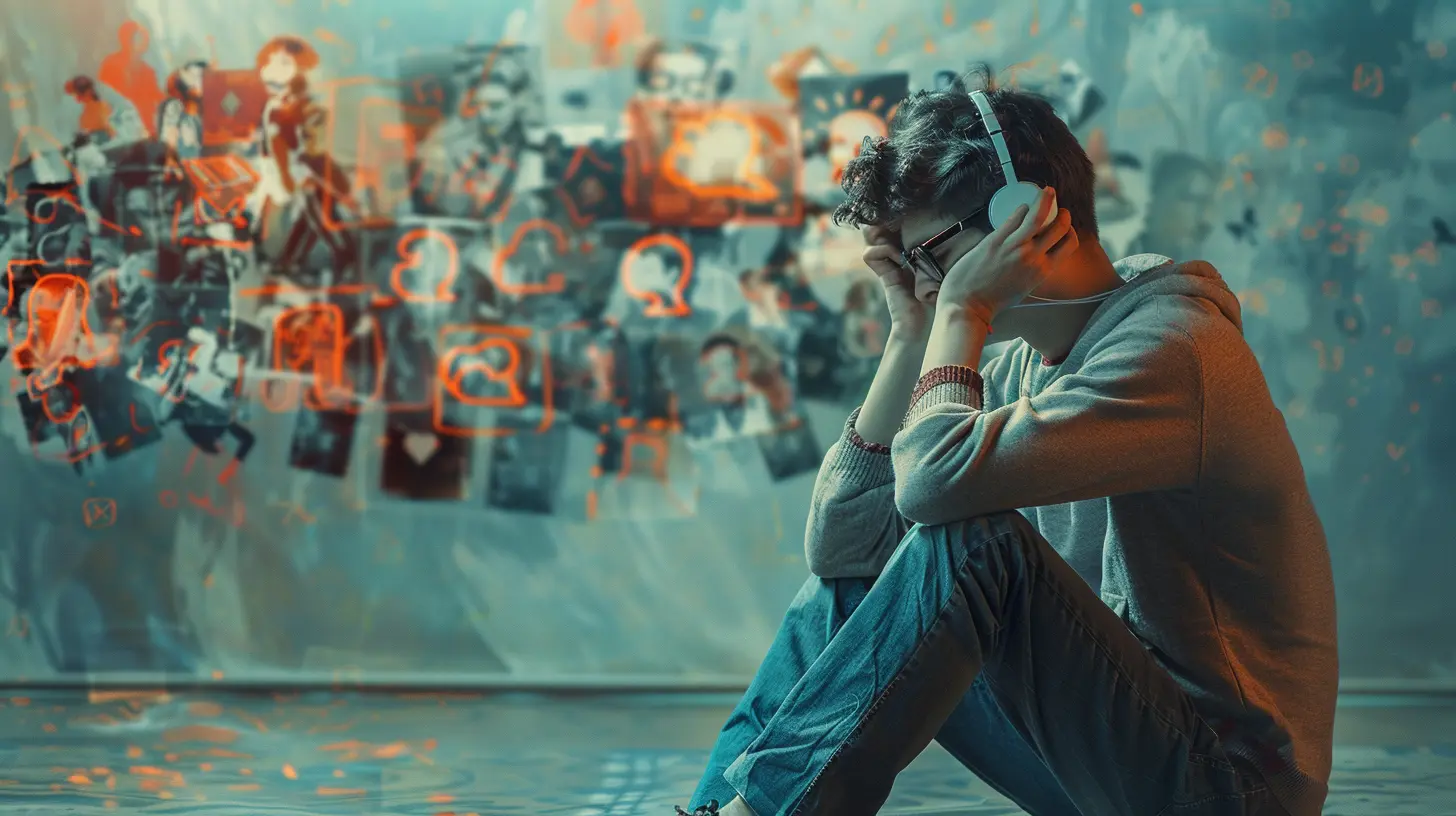
The Positive Side: Social Media as a Mental Health Advocate
Despite its flaws, social media has done a lot to normalize conversations around mental health. Here’s how it has helped:1. Raising Awareness and Encouraging Open Conversations
In the past, mental health struggles were often kept hidden due to shame or fear of judgment. But today, hashtags like #MentalHealthAwareness and #EndTheStigma have empowered people to share their experiences.Many influencers, celebrities, and even regular users talk openly about their battles with anxiety, depression, and other mental illnesses. These stories help others feel less alone and encourage them to seek help without feeling ashamed.
2. More Access to Support and Resources
Before social media, finding mental health resources wasn’t always easy. Now, with a few taps, anyone can access mental health helplines, online therapy options, and self-help tools.Nonprofits and mental health advocates use social media to spread valuable information about coping mechanisms, therapy options, and emergency support. This accessibility has made mental health care more approachable and less intimidating.
3. Online Communities Provide Connection
For many people, especially those who feel isolated, social media provides a sense of community. Online support groups and forums help individuals connect with others facing similar challenges.Whether it’s a Facebook group for people living with PTSD or a Reddit thread on coping with bipolar disorder, these communities can be incredibly uplifting. They remind people that they’re not alone in their struggles.
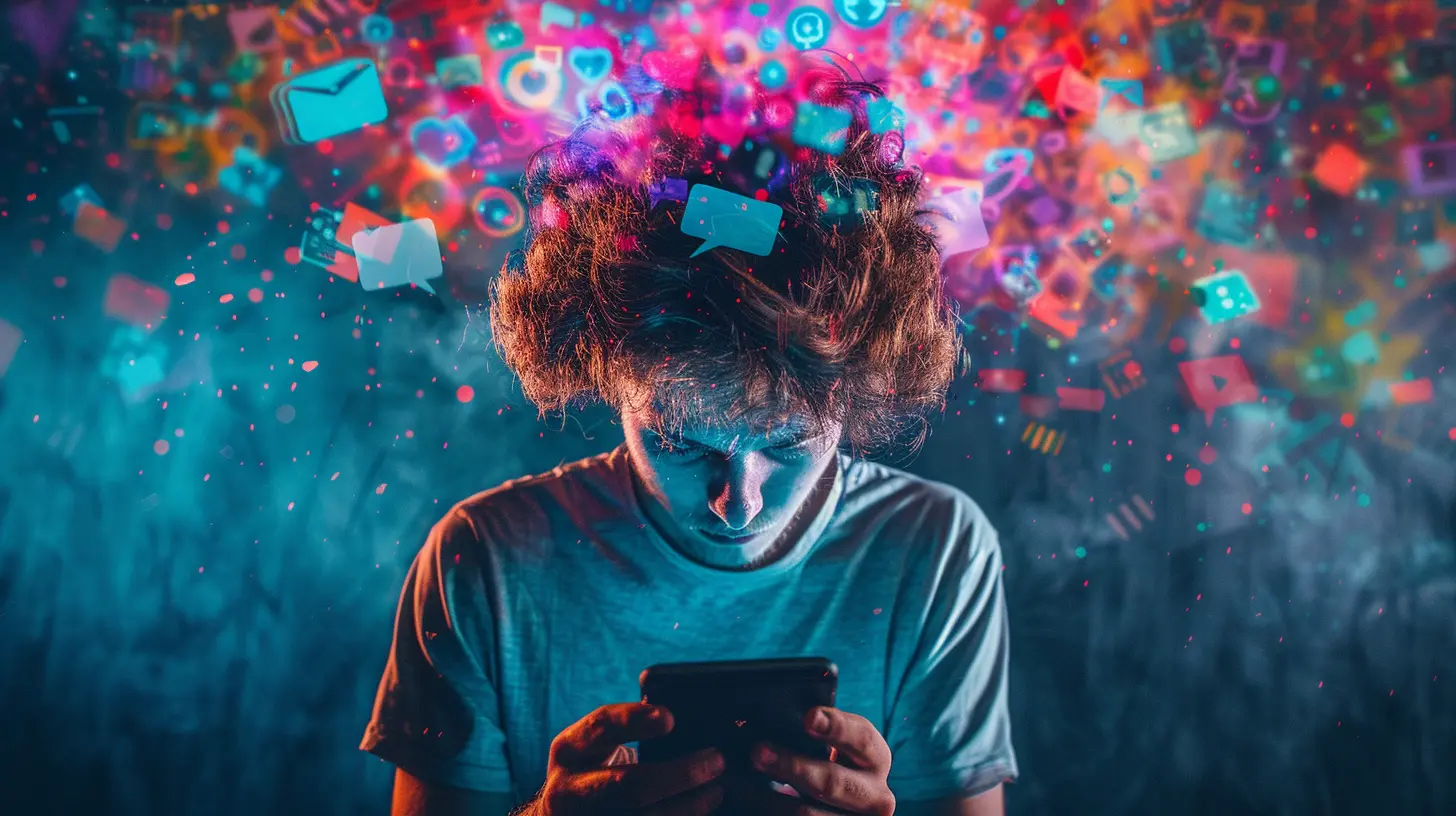
The Dark Side: How Social Media Fuels Mental Health Stigma
As much as social media has helped mental health awareness, it has also contributed to misinformation and stigma. Here’s where it falls short:1. Spreading Misinformation About Mental Illness
Not everything you see on the internet is true—especially when it comes to mental health. Some social media posts oversimplify serious disorders, turning them into trends rather than real medical conditions.Think about how words like “OCD” and “bipolar” are thrown around casually. Someone who enjoys keeping their room tidy might say, “I’m so OCD,” without realizing they’re minimizing a real condition. These types of misconceptions only fuel stigma.
2. Romanticizing Mental Illness
There is an unsettling trend on social media where mental illness is glamorized. People post aesthetic photos of self-harm scars, depressing quotes, and “dark academia” themes that make depression look poetic rather than painful.This romanticization can be dangerous, especially for younger audiences who might start to believe that struggling with mental health makes them more “interesting” or “unique.” It can also discourage people from seeking real treatment because they may feel like their condition is just a personality trait rather than a medical issue.
3. Cyberbullying and Toxic Positivity
Social media can also be a breeding ground for cyberbullying, which can severely impact someone’s mental well-being. Online harassment is relentless, and for those already struggling with mental health, it can be devastating.On the flip side, there’s also an issue of toxic positivity. You’ve probably seen posts that say things like “just think positive” or “happiness is a choice.” While well-intentioned, these messages can be invalidating for people dealing with depression or anxiety. Mental illness isn’t something you can just “snap out of,” and implying otherwise only adds to the stigma.
4. Cancel Culture and the Fear of Judgment
While social media has helped hold people accountable, it has also created a culture of fear. People are afraid to speak openly about their struggles, worried they’ll be judged or ridiculed.For example, someone opening up about their anxiety might get responses like, “You should be grateful for what you have” or “Everyone feels anxious sometimes.” These types of comments discourage people from seeking help and reinforce the idea that mental health struggles are just overreactions.
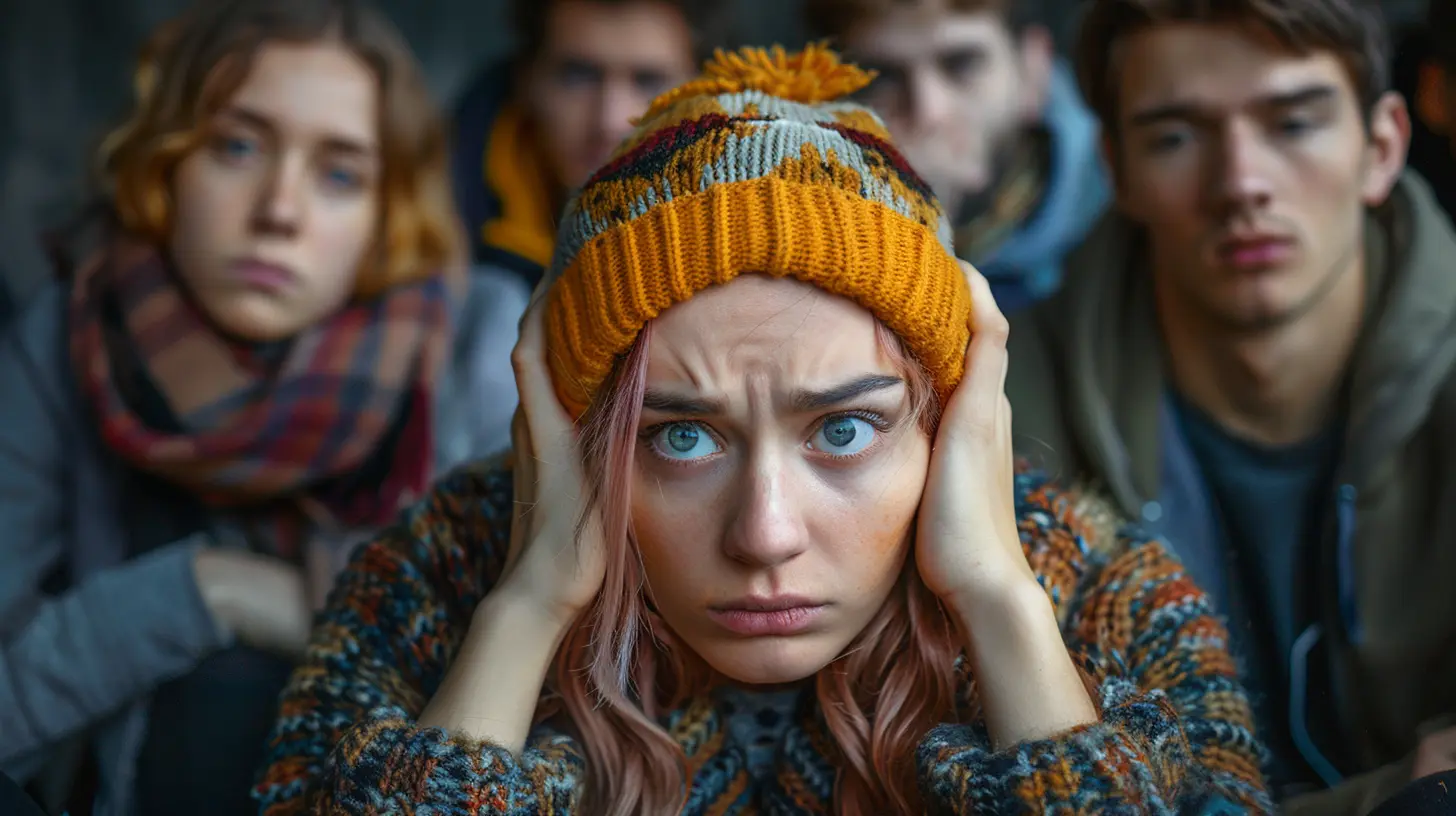
The Middle Ground: Using Social Media Responsibly
So, where do we go from here? Social media isn’t inherently bad or good—it’s all about how we use it. Here are some ways we can make sure it helps rather than harms mental health awareness:1. Follow Reliable Mental Health Sources
To combat misinformation, follow credible mental health organizations like the National Alliance on Mental Illness (NAMI) or the World Health Organization (WHO). These sources provide accurate information and helpful resources.2. Think Before You Share
Before reposting a mental health-related post, ask yourself: Is this accurate? Could this be harmful? If you're unsure, do a quick fact-check or avoid spreading misinformation altogether.3. Normalize Seeking Professional Help
While social media can offer support, it shouldn’t replace professional therapy. Encouraging friends, followers, and even yourself to speak to a licensed mental health professional is crucial.4. Be Mindful of How You Talk About Mental Health
Avoid using mental health diagnoses as adjectives. Instead of saying, “I’m so OCD about my notes,” try, “I like to keep my notes organized.” Small changes in language can make a big difference in reducing stigma.5. Take Breaks from Social Media When Needed
If social media is affecting your mental health negatively, it’s okay to step away. Unplugging from toxic content and being mindful of how social media makes you feel can be a game-changer.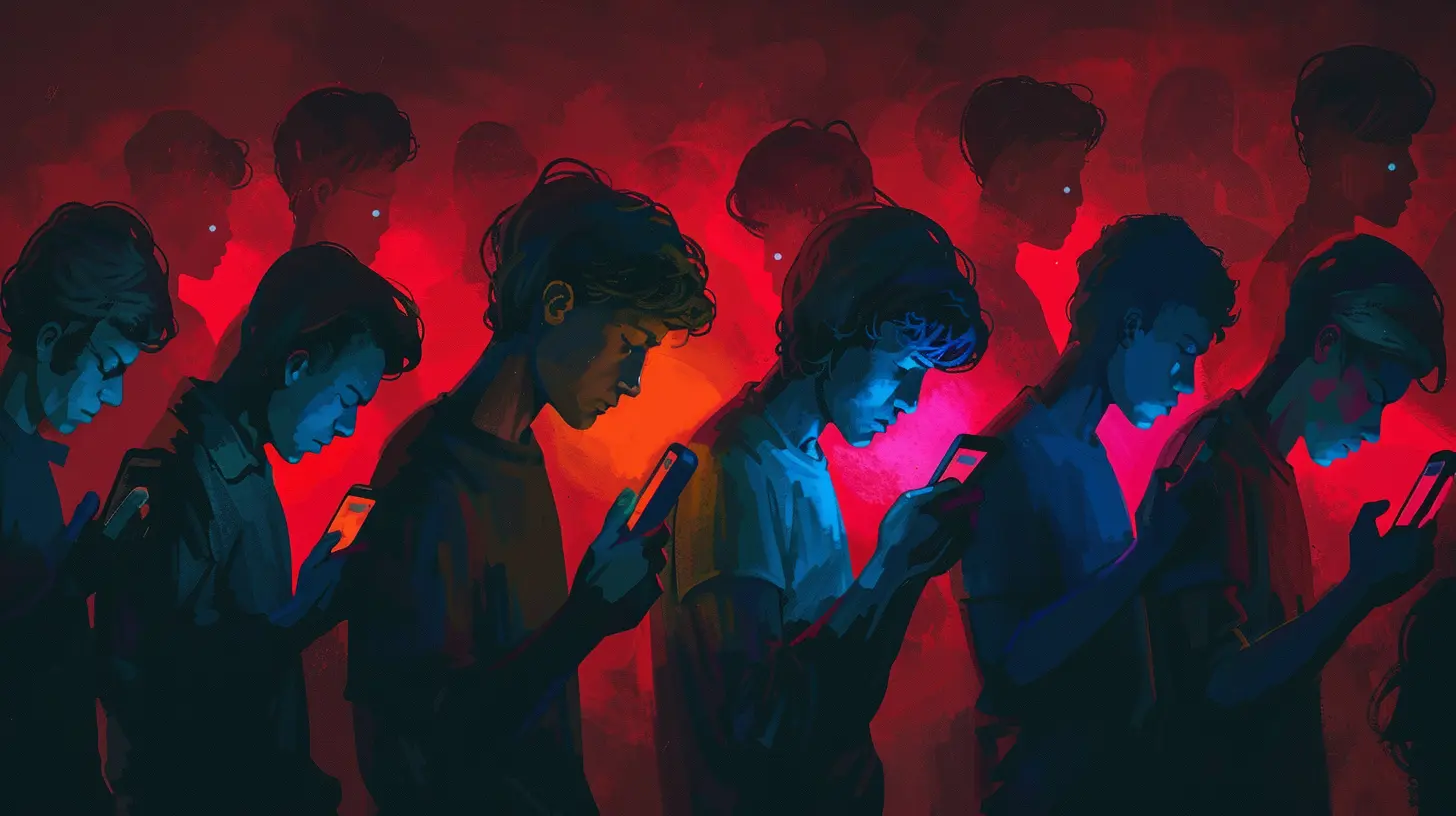
Final Thoughts
Social media has the power to both reduce and reinforce mental health stigma. While it has opened up conversations, provided access to resources, and created online support networks, it has also spread misinformation, romanticized mental illness, and made stigma worse in some cases.Ultimately, it comes down to how we use these platforms. If we’re mindful about the content we consume, share, and engage with, we can make social media a safer space for mental health discussions. After all, awareness without understanding can do more harm than good.
By approaching mental health conversations with empathy, accuracy, and responsibility, we can ensure that social media becomes a tool for positive change rather than a source of harm.
all images in this post were generated using AI tools
Category:
Mental Health StigmaAuthor:
Ember Forbes
Discussion
rate this article
2 comments
Zinna McLemore
This article highlights a crucial aspect of modern mental health discourse. While social media can foster community, it often perpetuates stigma through misinformation and unrealistic portrayals. Addressing this duality is vital for promoting understanding and support, ultimately helping to destigmatize mental health issues in our digital age.
February 3, 2026 at 3:26 PM
Ember Forbes
Thank you for your insightful comment! You’ve captured the complex role of social media in shaping mental health perceptions beautifully. Addressing both its benefits and drawbacks is indeed essential for fostering a more supportive environment.
Rune Wheeler
This article sheds light on an important issue! Social media has the power to connect and uplift, but it also poses challenges for mental health. By raising awareness and fostering open conversations, we can combat stigma together. Let’s use these platforms to promote understanding and support for one another!
January 15, 2026 at 4:58 PM
Ember Forbes
Thank you for your thoughtful comment! I completely agree that promoting awareness and open discussions is crucial in addressing the mental health challenges posed by social media. Together, we can make a positive impact!