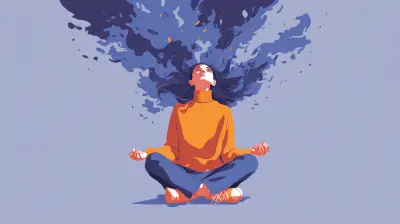
Rewriting the Script: How Films and TV Shows Can Combat Mental Health Stigma
8 February 2026
Mental health has long been shrouded in stigma, often misunderstood or misrepresented. For years, movies and TV shows have played their part in molding our perceptions—sometimes fueling harmful stereotypes but, more recently, working to break them.
The power of storytelling is undeniable. A well-crafted film or TV series can make us laugh, cry, and most importantly, think. When it comes to mental health, they hold the potential to reshape narratives, replace myths with facts, and encourage open conversations. So, how exactly are films and TV shows helping to combat mental health stigma? Let’s dive in.

The Influence of Media on Mental Health Perception
Much of what we understand—whether consciously or subconsciously—comes from what we see on screen. For decades, mental illness in TV and movies was portrayed in ways that did more harm than good. Characters with mental health disorders were often depicted as dangerous, unstable, or even beyond help.Think about it—how many times have you seen a “crazy” character in a straightjacket, talking to themselves in a dark, dingy psychiatric ward? Unfortunately, these representations contribute to the fear and misunderstanding of mental health struggles.
But here’s the good news: storytelling is evolving. Filmmakers and showrunners are now more mindful of how they portray mental health, creating characters with depth and accuracy. Instead of villainizing or romanticizing mental illness, they are telling stories that offer nuance, empathy, and reality.

The Shift Toward Authentic Representation
Thankfully, Hollywood has started to listen. Mental health advocacy and awareness have influenced how certain conditions are portrayed on screen. Shows and films are now hiring mental health consultants to ensure accuracy in their storytelling.More importantly, creators are telling stories from lived experiences, giving a voice to those who have long been ignored or misrepresented. Instead of reducing mental health to mere plot devices, they are showing characters living with these conditions—not as their sole identity, but as one aspect of their lives.
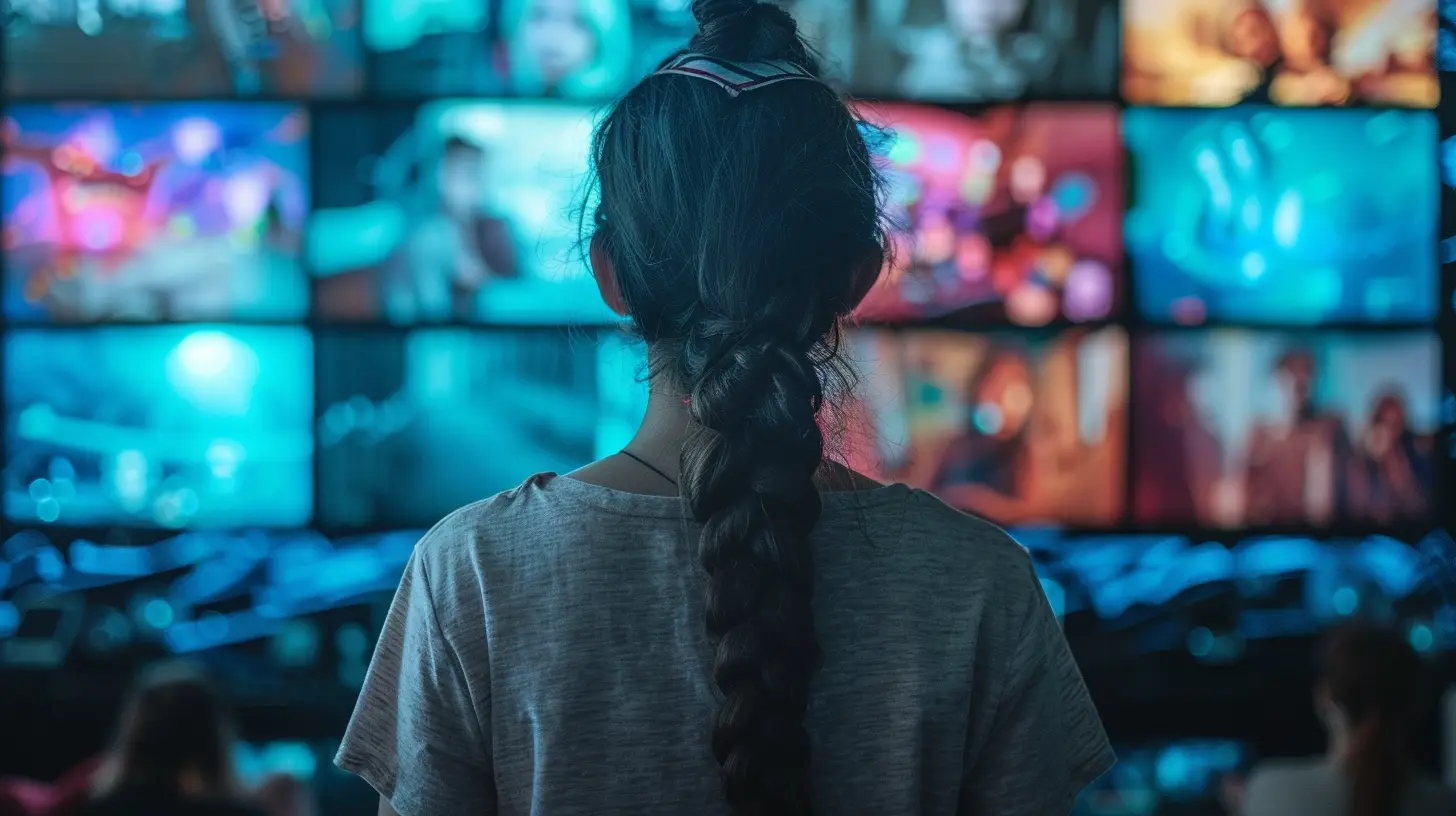
Movies and Shows That Are Changing the Narrative
Several films and TV shows are leading the charge in breaking mental health stigma. Let’s look at some that have left a powerful impact:1. "A Beautiful Mind" (2001) – Schizophrenia with Humanity
This Oscar-winning film follows the real-life story of John Nash, a brilliant mathematician diagnosed with schizophrenia. Instead of portraying him as dangerous or hopeless, it highlights his struggles while also showing his strengths. It humanizes schizophrenia and challenges the myth that those living with it cannot lead meaningful lives.2. "BoJack Horseman" (2014-2020) – Depression and Addiction in the Spotlight
This animated series may be filled with humor and absurdity, but it offers one of the most honest portrayals of depression and addiction in any TV show. Instead of presenting a quick-fix solution, "BoJack Horseman" delves into the complexities of mental health—the highs and lows, the self-destructive tendencies, and the hard truth that recovery is an ongoing journey.3. "Silver Linings Playbook" (2012) – Bipolar Disorder with Hope
Instead of sensationalizing bipolar disorder, this film offers a sensitive portrayal of a man trying to rebuild his life post-hospitalization. His journey is filled with struggles, but it’s also filled with hope, love, and human connection. It reminds us that people with mental illness are not defined by their condition.4. "This Is Us" (2016-2022) – Anxiety and Generational Trauma
"This Is Us" brings mental health into everyday conversations. Several characters struggle with anxiety, grief, and generational trauma, yet they are never reduced to their conditions. The show normalizes therapy and emotional vulnerability, showing that seeking help is a sign of strength.5. "Euphoria" (2019-Present) – The Raw Reality of Substance Abuse and Mental Health
This show doesn’t shy away from the harsh realities of substance abuse and mental illness. Zendaya’s portrayal of Rue—a teenager struggling with addiction, depression, and trauma—is both heartbreaking and eye-opening. It sheds light on how mental illness often intersects with other struggles, like addiction, without glamorizing either.
Why Representation Matters
So, why does all of this matter? Can a movie or TV show really help reduce mental health stigma? Absolutely.1. Normalizing Mental Health Conversations – When we see characters openly discussing their struggles, it encourages us to do the same. It makes conversations about therapy, medication, and coping mechanisms feel more mainstream and less taboo.
2. Challenging Misconceptions – A lot of stigma comes from misinformation. Accurate portrayals help dispel myths and replace fear with understanding.
3. Encouraging Empathy – Storytelling allows us to step into someone else’s shoes. When we connect with fictional characters, we start to see mental illness through a human lens rather than a clinical or fear-based one.
4. Inspiring Hope and Recovery – Representation isn’t just about showing struggles—it’s about showing resilience, too. A well-told story can remind people they are not alone and that recovery is possible.
Where Media Still Falls Short
While progress has been made, there’s still work to do. Some media still rely on outdated tropes—using mental illness solely as a plot twist, depicting those with disorders as violent, or romanticizing struggles in unrealistic ways.Moreover, diversity in mental health portrayals is still lacking. Many depictions focus on white, middle-class individuals, leaving out the unique challenges faced by BIPOC, LGBTQ+, and marginalized communities.
The Future of Mental Health Portrayals in Media
So, where do we go from here? The future of mental health representation in films and TV looks promising. With increased awareness and advocacy, we can expect to see more:- Authentic storytelling based on real experiences
- Nuanced portrayals that go beyond stereotypes
- Stories centering on diverse characters and their unique struggles
- Encouragement of healthy coping mechanisms instead of glorifying self-destruction
Mental health is complex, but so are people. The more we push for honest and compassionate representation, the more we dismantle the stigma surrounding it.
Final Thoughts
At the end of the day, films and TV shows aren’t just about entertainment—they are cultural influencers. When creators take responsibility and portray mental health with accuracy and empathy, they become part of the larger movement toward acceptance and understanding.So, the next time you watch a show or movie that gets mental health right, remember—it’s not just storytelling. It’s rewriting the script for real lives.
all images in this post were generated using AI tools
Category:
Mental Health StigmaAuthor:

Ember Forbes
Discussion
rate this article
2 comments
Zephyrian Carter
This article highlights the powerful role of media in shaping perceptions of mental health. By showcasing authentic narratives, films and TV can challenge stereotypes, promote understanding, and encourage open conversations about mental health struggles.
February 19, 2026 at 5:05 AM
Ember Forbes
Thank you for your insight! I completely agree—authentic storytelling in media is crucial for shifting perspectives and fostering understanding around mental health.
Rosanna Richardson
Films and TV shows hold a mirror to our psyche, yet what if they're not just reflecting reality, but rewriting it? Dive into the shadows where storytelling meets psychology, and discover how narratives can unlock understanding and challenge the stigma surrounding mental health.
February 8, 2026 at 3:46 PM
Ember Forbes
That's a powerful insight. Stories have the ability not just to reflect, but to reshape our understanding of mental health, encouraging empathy and breaking down barriers.