Mental Health in the Justice System: Prison, Stigma, and Rehabilitation
30 May 2026
Mental health and the justice system have always had a complex relationship. Prisons are meant to house those who break the law, but what happens when the people behind bars are actually struggling with mental health issues?
Many individuals with mental illnesses end up in prison rather than receiving the treatment they truly need. Stigma plays a massive role in how society perceives and treats these individuals, making it even harder for them to get support. And while rehabilitation programs exist, are they really enough to help people reintegrate into society?
In this article, we’ll break down the harsh reality of mental health in prisons, the stigma surrounding it, and whether rehabilitation can truly make a difference.
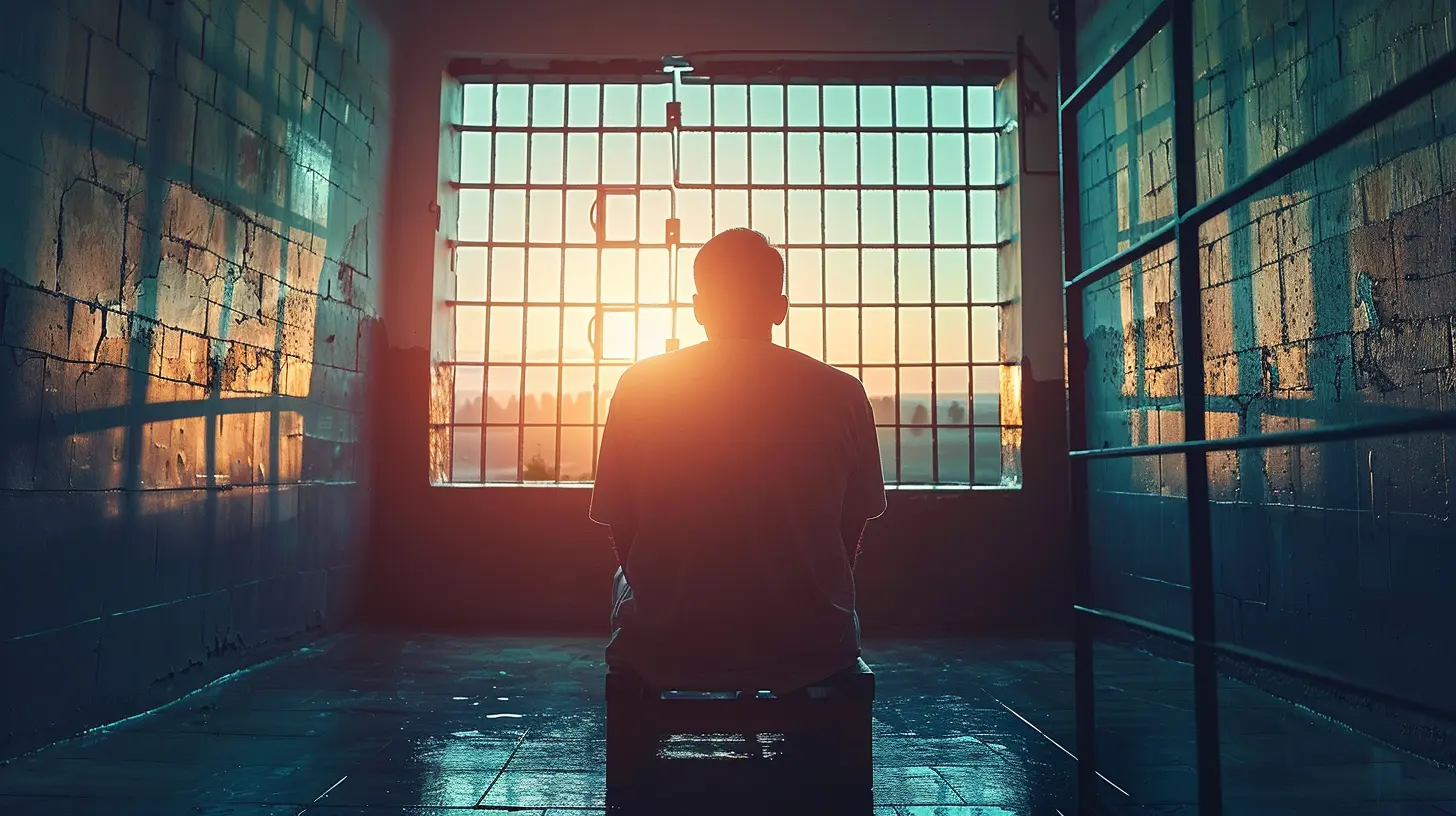
The Harsh Reality: Mental Health in Prisons
Prisons were never designed to be mental health facilities, yet they house a significant number of individuals with mental illnesses. Studies show that people with mental health conditions are disproportionately represented in the prison system. But why does this happen in the first place?How Mental Illness Leads to Incarceration
For some individuals, untreated mental health conditions can lead to behaviors that result in contact with the criminal justice system. Many people with severe disorders, such as schizophrenia, bipolar disorder, or PTSD, may struggle with impulse control, aggression, or even homelessness. This makes them more likely to encounter law enforcement.Rather than receiving proper psychiatric care, they are often arrested for minor offenses—trespassing, loitering, or disorderly conduct. Instead of a hospital bed, they are given a prison cell. The system, rather than offering help, often becomes a revolving door, where individuals repeatedly get arrested because their underlying issues remain unaddressed.
The Mental Health Crisis Behind Bars
Once inside, things don’t get any better. Prisons aren't built to handle mental illness. In many cases, correctional officers have little to no training on how to manage inmates with psychological disorders.Isolation, overcrowding, and violence are all factors that worsen mental health conditions. Imagine struggling with anxiety or depression, only to be locked in a tiny cell for 23 hours a day. For many inmates, this kind of environment magnifies their suffering, leading to increased suicide rates and severe psychological distress.
Medications sometimes help, but access to consistent psychiatric care is rare. The result? A population of individuals deteriorating behind bars with little hope for recovery.

The Stigma Surrounding Mental Illness in the Justice System
One major reason why mental health issues remain unaddressed in the justice system is stigma. Society often labels incarcerated individuals as criminals without considering the deeper issues that led them there.Mental Health vs. Criminal Behavior
There’s a dangerous misconception that people with mental illnesses are inherently violent or dangerous. In reality, most individuals with mental health conditions are not violent at all. In fact, they are more likely to be victims of violence rather than perpetrators.Yet, when someone with a mental illness commits a crime, the focus tends to be on their diagnosis rather than the circumstances that may have led them to that point. This fuels the stigma and prevents meaningful conversations about how to address mental health in the justice system.
Barriers to Seeking Help
Even within prisons, stigma exists. Inmates may avoid seeking treatment due to fear of being labeled "weak" or "crazy." Some worry that admitting to mental health struggles will make them targets for abuse by both inmates and staff.Moreover, many correctional facilities see mental health care as a low priority. With limited resources and overcrowding, providing proper psychiatric care just isn’t seen as urgent. This leaves many incarcerated individuals suffering in silence.

Rehabilitation: Is It Enough?
Rehabilitation programs aim to help individuals reintegrate into society successfully. But when it comes to mental health, are these programs effective?The Role of Therapy and Counseling
Some prisons have implemented therapy and rehabilitation programs designed to address mental health needs. Cognitive-behavioral therapy (CBT), group therapy, and substance abuse programs are among the most common.For those who can access these resources, rehabilitation can be a game changer. Therapy helps inmates understand their behaviors, develop coping skills, and prepare for life after incarceration. However, many prisons lack the funding and staff to offer consistent, high-quality mental health services.
The Challenge of Reintegration
Even after serving their time, individuals with mental illness face an uphill battle when reentering society. Finding stable housing, employment, and access to mental health care can feel nearly impossible. Without a strong support system, many end up right back where they started—incarcerated.Furthermore, the stigma doesn’t end once someone is released. Former inmates often struggle to find jobs because of their criminal record, and if they have a history of mental illness, it makes things even harder. Without proper support, rehabilitation becomes a temporary fix rather than a long-term solution.

What Needs to Change?
So, what can be done to improve mental health care in the justice system? While there’s no quick fix, several approaches can make a difference:- Investing in Mental Health Treatment: Instead of relying on incarceration, governments should prioritize mental health programs, crisis intervention teams, and psychiatric facilities.
- Training Law Enforcement and Correctional Officers: Properly training police and prison staff can help them recognize and respond to individuals with mental health conditions more effectively.
- Expanding Rehabilitation Programs: More access to therapy, medication, and mental health services within prisons can lead to better outcomes for incarcerated individuals.
- Support After Release: Providing resources such as housing assistance, job training, and continued access to mental health care can reduce recidivism rates and help individuals reintegrate successfully.
Final Thoughts
The justice system is failing people with mental illnesses. Prisons were never meant to serve as psychiatric hospitals, yet thousands of individuals with severe conditions end up behind bars instead of receiving the care they need. The stigma surrounding mental health in the justice system only adds to the problem, making it harder for individuals to seek help.While rehabilitation programs exist, they are often underfunded and insufficient to address the complex mental health challenges inmates face. Without proper mental health care and support after release, many individuals find themselves trapped in a cycle of incarceration.
Change is necessary. By investing in mental health services, reducing stigma, and providing better rehabilitation programs, society can move towards a justice system that prioritizes treatment over punishment. Because at the end of the day, mental health should never be a life sentence.
all images in this post were generated using AI tools
Category:
Mental Health StigmaAuthor:

Ember Forbes
Discussion
rate this article
1 comments
Margaret McClure
This article shines a much-needed light on mental health in the justice system. It's a wild ride from the shadows of stigma to the hopeful path of rehabilitation. Let's keep the conversation going and support the idea that everyone deserves a second chance... and maybe a little kindness too!
June 12, 2026 at 4:51 AM
Ember Forbes
Thank you for your thoughtful comment! I completely agree-it's crucial to keep this conversation alive and advocate for compassion and understanding in the justice system.