How Trauma Alters Our Sense of Identity
7 June 2026
Trauma is a sneaky thief—it steals moments, changes perceptions, and sometimes even reshapes who we think we are. Whether it stems from childhood neglect, a toxic relationship, a tragic accident, or any other deeply distressing experience, trauma has the power to shake us to our core.
But what happens when it messes with our sense of identity? When we no longer recognize the person staring back at us in the mirror? Let’s dive deep into how trauma rewires our understanding of ourselves and how we can rebuild a fractured sense of identity. 
The Link Between Trauma and Identity
Our identity is like a puzzle—each experience, memory, and relationship forms a piece of who we are. But trauma? It can feel like someone took that puzzle and scattered the pieces across the floor.Some people become disconnected from their past selves, while others cling tightly to a version of themselves before the trauma, desperate to reclaim what was lost. Some take on new identities, consciously or unconsciously, in an attempt to cope.
In short, trauma doesn’t just leave scars—it alters the very foundation of how we see ourselves. 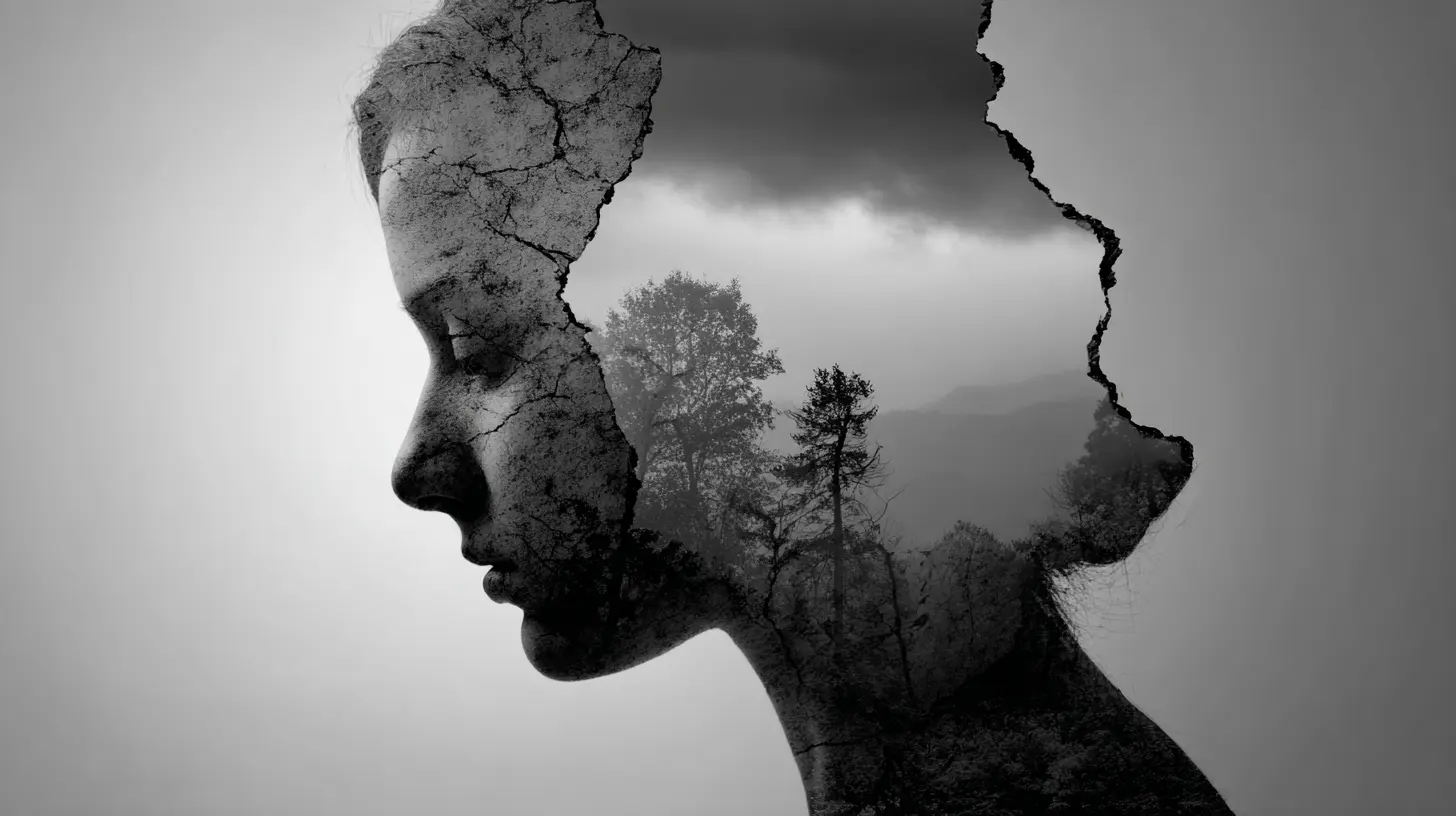
The Psychological Impact of Trauma on Identity
1. Dissociation: The Feeling of Being a Stranger to Yourself
Ever heard of that eerie feeling where you don’t quite feel real? That’s dissociation, and it’s a common response to trauma.People who experience traumatic events—especially those who endure prolonged abuse or neglect—may feel disconnected from their thoughts, memories, or even their sense of self. It’s almost as if they’re watching their life like a movie rather than actually living it.
Dissociation can be subtle, like zoning out in conversations, or severe, like not recognizing yourself in the mirror. Either way, it’s a defense mechanism your brain uses to protect you from overwhelming pain.
2. The Birth of "False Selves"
Many trauma survivors develop a “false self” to survive.- Someone who endured a strict, controlling childhood might become a people-pleaser, suppressing their true desires to avoid conflict.
- A survivor of abuse might adopt an overly tough exterior, shielding themselves from future harm.
- Some might become chronic overachievers, desperately seeking validation to prove their worth.
These new identities serve a purpose—they keep us safe. But over time, they can make us feel lost, as if we’re playing a role instead of living as our authentic selves.
3. Shame and Self-Blame: The Silent Identity Killer
Trauma often carries a heavy dose of shame. Victims of trauma—especially childhood abuse, assault, or neglect—frequently blame themselves for what happened.They internalize the belief that they are "bad," "unworthy," or "damaged." This toxic self-perception slowly erodes their identity, convincing them they are defined by their trauma rather than being a whole and complex individual.
It’s heartbreaking because the truth is, trauma was something that happened to them—it does not define who they are. 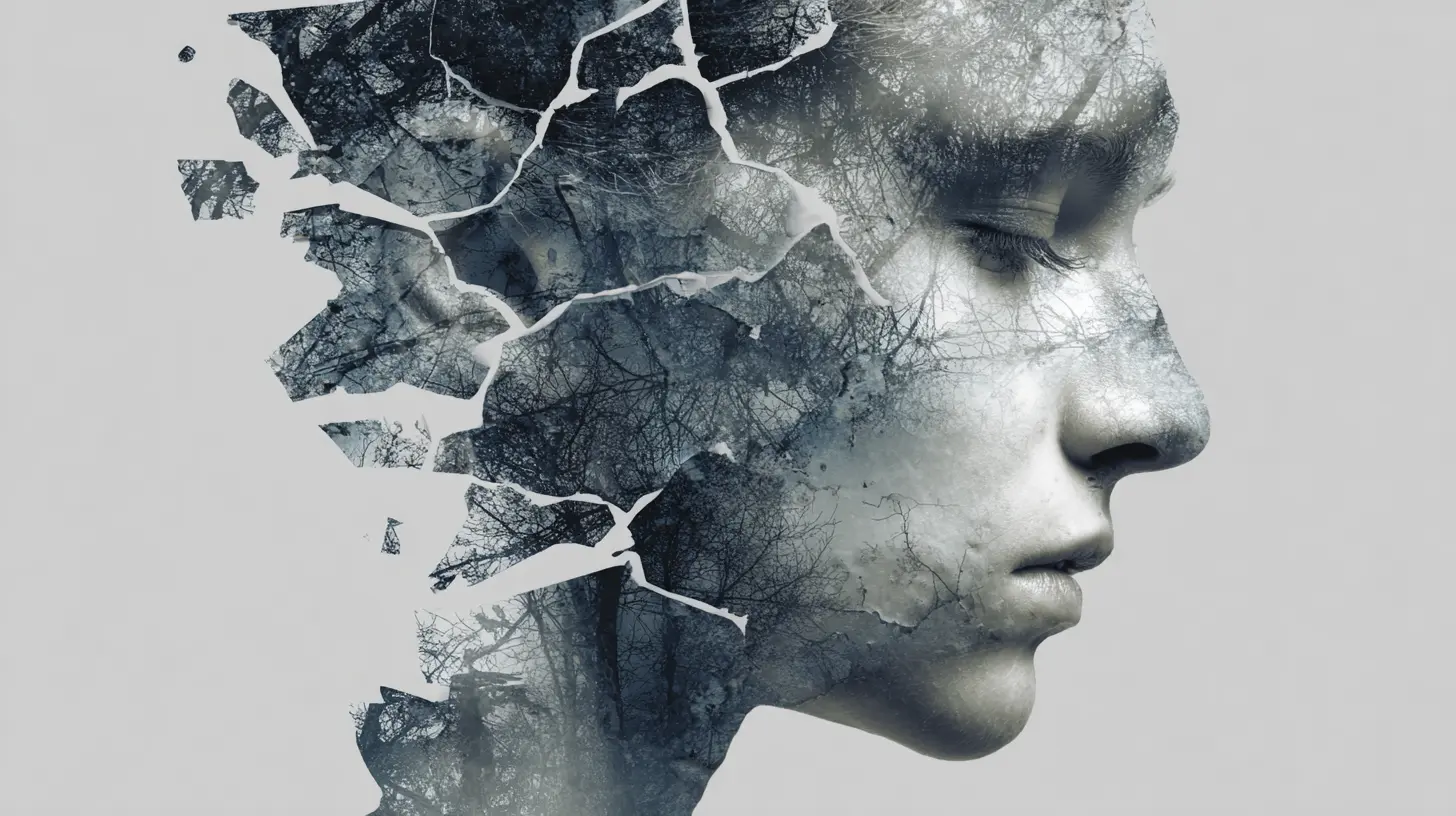
How Trauma Shapes Our Beliefs About the World and Ourselves
Trauma doesn’t just affect how we see ourselves—it changes how we interpret the world around us.- The World Feels Unsafe – Many trauma survivors develop hypervigilance, always expecting danger even in peaceful situations.
- Trust Becomes Fragile – A betrayal or traumatic experience can make it hard to trust others, leading to isolation and loneliness.
- A Loss of Purpose – Some feel directionless, as if their ambitions and dreams were stolen along with their sense of security.
It's as if the trauma taints the lens through which we see life, making everything seem darker and more threatening. 
Rebuilding a Fractured Identity After Trauma
If trauma has shattered your sense of self, don’t lose hope. Healing is possible. It’s a journey—not a straight path, but a winding road with detours and setbacks. Here’s how you can start piecing yourself back together:1. Acknowledge Your Pain (Without Letting It Define You)
The first step is recognizing that what happened to you was real. It was painful. It mattered.But it does not have to define your entire existence. You are not just a survivor of trauma—you are so much more. Your personality, dreams, passions, and quirks still exist beneath the layers of pain.
2. Rediscover Who You Are
Think back to who you were before the trauma—or who you want to become.- What activities once made you feel alive?
- What values and beliefs resonate with you?
- What kind of person do you aspire to be?
Start small. Try engaging in hobbies, connecting with supportive people, or even journaling to reconnect with the authentic you.
3. Challenge Negative Self-Talk
The inner critic is loud after trauma—it whispers things like, "You're broken," "You're unlovable," or "You deserved this." But here’s the thing: that voice is lying.If a friend went through what you endured, would you blame them? No? Then why do it to yourself? Start replacing those cruel thoughts with self-compassion.
4. Seek Professional Help
Therapy can be a game-changer when it comes to reclaiming your identity. Whether it’s Cognitive Behavioral Therapy (CBT), Eye Movement Desensitization and Reprocessing (EMDR), or somatic therapy, working with a professional can help make sense of the chaos trauma left behind.5. Embrace the Concept of Growth After Trauma
Post-traumatic growth is real. While trauma is painful, it can also lead to profound personal transformation. Many survivors go on to develop deeper empathy, resilience, and a clearer understanding of what truly matters in life.It doesn’t mean trauma was "worth it"—but it does mean healing can create a stronger, wiser version of you.
Final Thoughts: You Are More Than Your Trauma
Trauma has the power to shake our very identity, making us question who we are. But here’s something important to remember: trauma does not define you.You are not just what happened to you. You are a full, complex, ever-evolving human being with a story that stretches beyond your pain.
Reclaiming your identity after trauma takes time, patience, and self-love—but it is possible. And every step you take towards healing brings you closer to the person you were always meant to be.
all images in this post were generated using AI tools
Category:
Psychological TraumaAuthor:

Ember Forbes
Discussion
rate this article
1 comments
Rex McGeehan
Trauma profoundly reshapes identity, influencing self-perception and emotional well-being long-term.
June 26, 2026 at 2:29 PM
Ember Forbes
Absolutely. Trauma can deeply impact how we view ourselves and navigate emotions, often leading to lasting changes in identity.