How to Think Clearly in a Biased World
19 November 2026
In today's society, we are bombarded with information from every angle, making it increasingly difficult to think clearly. Biases, whether personal or systemic, can cloud our judgment and lead us to make poor decisions. Understanding how to navigate this biased landscape is crucial for achieving clarity of thought. In this article, we will examine the types of biases that affect our thinking, explore methods for overcoming these biases, and provide practical strategies for enhancing clarity in your decision-making processes.

Understanding Bias
What is Bias?
Bias refers to a tendency to favor one perspective over another, often leading to distorted thinking and decision-making. This can manifest in various ways, including cognitive biases, social biases, and emotional biases. Understanding the nature of bias is the first step toward mitigating its influence.Types of Bias
1. Cognitive Biases: These are systematic patterns of deviation from norm or rationality in judgment. Examples include:- Confirmation Bias: The tendency to search for, interpret, and remember information that confirms one's preexisting beliefs.
- Anchoring Bias: Relying too heavily on the first piece of information encountered when making decisions.
2. Social Biases: These arise from social norms and group dynamics. Examples include:
- In-group Bias: Favoring members of one's group over those from outside the group.
- Stereotyping: Generalizing characteristics to individuals based on their group affiliation.
3. Emotional Biases: These stem from emotional responses rather than logical reasoning, such as:
- Overconfidence Bias: Excessive confidence in one's own answers or judgments.
- Loss Aversion: The tendency to prefer avoiding losses over acquiring equivalent gains.
Why Bias Matters
Biases can severely impact personal and professional decisions. From hiring practices to political opinions, understanding these biases is essential to foster a more informed and balanced perspective. Ignoring the influence of bias can lead to missed opportunities and flawed reasoning.
The Impact of Bias on Decision-Making
Real-World Examples
Consider a hiring manager who unconsciously favors candidates from a particular university. This bias not only limits diversity but may also overlook highly qualified candidates from other backgrounds. In politics, confirmation bias can lead individuals to consume only media that aligns with their beliefs, further entrenching divisions and reducing the possibility of constructive dialogue.The Trade-Offs of Bias
While biases can sometimes provide shortcuts for decision-making, they are often detrimental. For instance, relying on heuristics-mental shortcuts that ease the cognitive load-may save time but can lead to oversimplification of complex issues. Understanding when biases work in your favor and when they do not is critical for effective decision-making.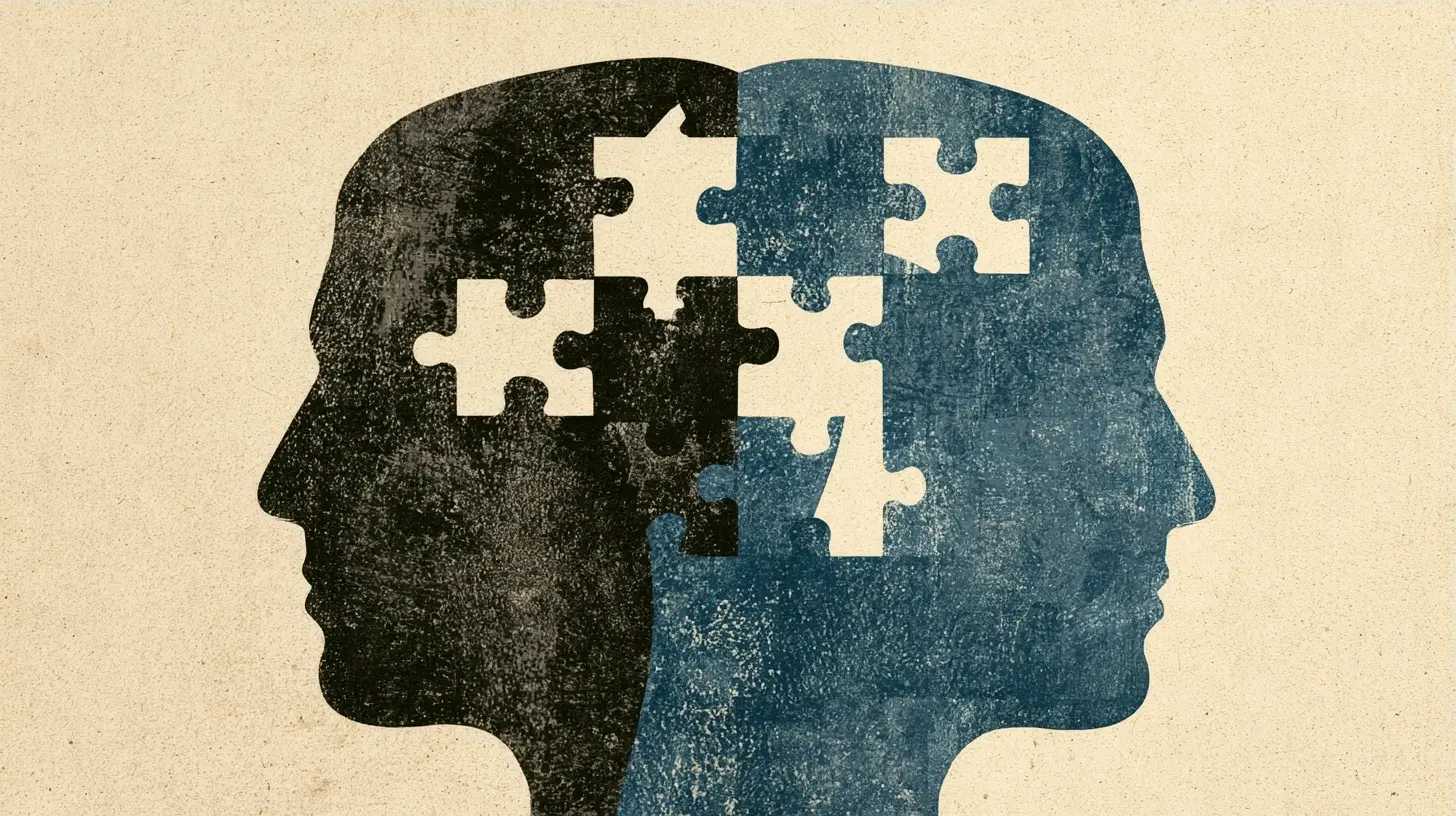
Strategies for Clear Thinking
Cultivating Awareness
The first step in overcoming bias is awareness. Recognizing your own biases involves introspection and an openness to feedback. Here are some practical steps:1. Self-Reflection: Take time to examine your beliefs and the origins of these beliefs. Ask yourself how they have been shaped by your experiences, culture, and social circles.
2. Seek Feedback: Engage with others who may have different perspectives. This can help illuminate your blind spots and challenge your assumptions.
Employing Critical Thinking
Critical thinking is the systematic evaluation of information to form a judgment. To enhance your critical thinking skills:1. Question Assumptions: Regularly ask yourself why you believe what you believe. Are your beliefs based on solid evidence or influenced by biases?
2. Evaluate Evidence: Look for data and facts that support or contradict your beliefs. Seek out reputable sources and be willing to adjust your views based on new information.
3. Consider Alternatives: When faced with a decision, make a concerted effort to explore multiple options rather than defaulting to the most familiar or comfortable choice.
Decision-Making Frameworks
Utilizing structured decision-making frameworks can help mitigate bias. Some popular frameworks include:1. Pros and Cons Lists: This simple tool helps visualize the benefits and drawbacks of each option, encouraging a balanced evaluation.
2. Decision Matrix: Create a grid that allows you to rate each option against a set of criteria. This method provides a more objective basis for comparison.
3. SWOT Analysis: Analyze the strengths, weaknesses, opportunities, and threats associated with a decision. This comprehensive approach can reveal insights that might otherwise be overlooked.
Mindfulness and Emotional Regulation
Practicing mindfulness can enhance clarity of thought by promoting emotional regulation. Techniques such as deep breathing and meditation can help manage stress and prevent knee-jerk reactions driven by biases. When you respond to situations with a calm mind, you are more likely to evaluate information rationally.
Overcoming Common Mistakes
Misconceptions About Bias
One common misconception is that biases can be entirely eliminated. In reality, they can only be managed. Acknowledging this fact helps foster resilience against biases without falling into despair over their presence.Confirmation Bias in Action
People often seek information that corroborates their views, leading to an echo chamber effect. Combat this by intentionally seeking out dissenting opinions and challenging your own beliefs. This practice not only broadens your perspective but also sharpens your critical thinking skills.The Illusion of Objectivity
Many individuals believe they are objective in their decision-making. However, everyone has biases that can color their judgment. Recognizing this is crucial for fostering humility and openness to alternative viewpoints.Best Practices for Thinking Clearly
Building a Diverse Information Diet
To counteract biases, cultivate a diverse range of information sources. This includes reading from different viewpoints, engaging in discussions with individuals from various backgrounds, and consuming media that challenges your perspectives.Engaging in Deliberate Practice
Clear thinking is a skill that can be honed through deliberate practice. Regularly engage in exercises that promote critical thinking, such as debating controversial topics or participating in group discussions.Regularly Revisiting Decisions
After making significant decisions, take time to review the outcomes. Reflect on whether biases influenced your choices and what you might do differently in the future. This cycle of review and adjustment fosters continuous improvement.Fostering a Culture of Openness
In organizational settings, encourage a culture where questioning and dissent are welcomed. This can lead to more thorough evaluations and reduce the impact of groupthink.
Conclusion
In a biased world, thinking clearly is both a challenge and a necessity. By understanding the nature of bias, employing critical thinking strategies, and cultivating awareness, we can enhance our decision-making processes. Remember, clarity does not mean the absence of bias, but rather the ability to recognize and mitigate its influence. Through conscious effort, we can navigate the complexities of our world with greater insight and understanding.
all images in this post were generated using AI tools
Category:
Cognitive BiasesAuthor:

Ember Forbes