Unlearning the Biases That Keep Us Stuck
13 November 2026
In our daily lives, biases shape the way we perceive ourselves and others. These mental shortcuts can be useful, but they also lead to misunderstandings and hinder personal growth. Unlearning these biases is essential for fostering healthier relationships and achieving our goals. This article delves into the nature of biases, how they affect us, and practical strategies for unlearning them.

Understanding Biases
Biases are ingrained tendencies to think a certain way about people, situations, or ideas. They are often formed through personal experiences, cultural influences, and societal norms. While biases can help us navigate complex social landscapes, they can also trap us in unproductive patterns of thought.Types of Biases
1. Cognitive Biases: These are systematic patterns of deviation from norm or rationality in judgment. Examples include confirmation bias, where we favor information that confirms our existing beliefs, and availability heuristic, where we rely on immediate examples that come to mind.2. Social Biases: These biases pertain to our perceptions of other people. Stereotyping is a common social bias, where we make assumptions about individuals based on group characteristics. This can lead to discrimination and missed opportunities for connection.
3. Emotional Biases: Our emotions can cloud our judgment. For instance, if we feel threatened, we might overreact to a neutral comment. Emotional biases can distort our perception of reality and lead to unhealthy responses.

Why Biases Matter
Biases matter because they influence our decisions, interactions, and overall outlook on life. They can create barriers to communication, understanding, and empathy. Recognizing and unlearning these biases can lead to more meaningful relationships and a deeper understanding of ourselves and others.The Impact of Biases on Relationships
Biases can create misunderstandings in personal and professional relationships. For example, if a manager holds a bias against a particular demographic, they may overlook qualified candidates for promotions. In personal relationships, biases can lead to misinterpretations of others' intentions, causing unnecessary conflict.The Role of Biases in Decision-Making
In decision-making, biases can lead us astray. For instance, a financial investor might cling to past successes, ignoring current market trends due to a bias known as the "sunk cost fallacy." This can result in poor financial choices. Recognizing these biases is crucial for making sound decisions.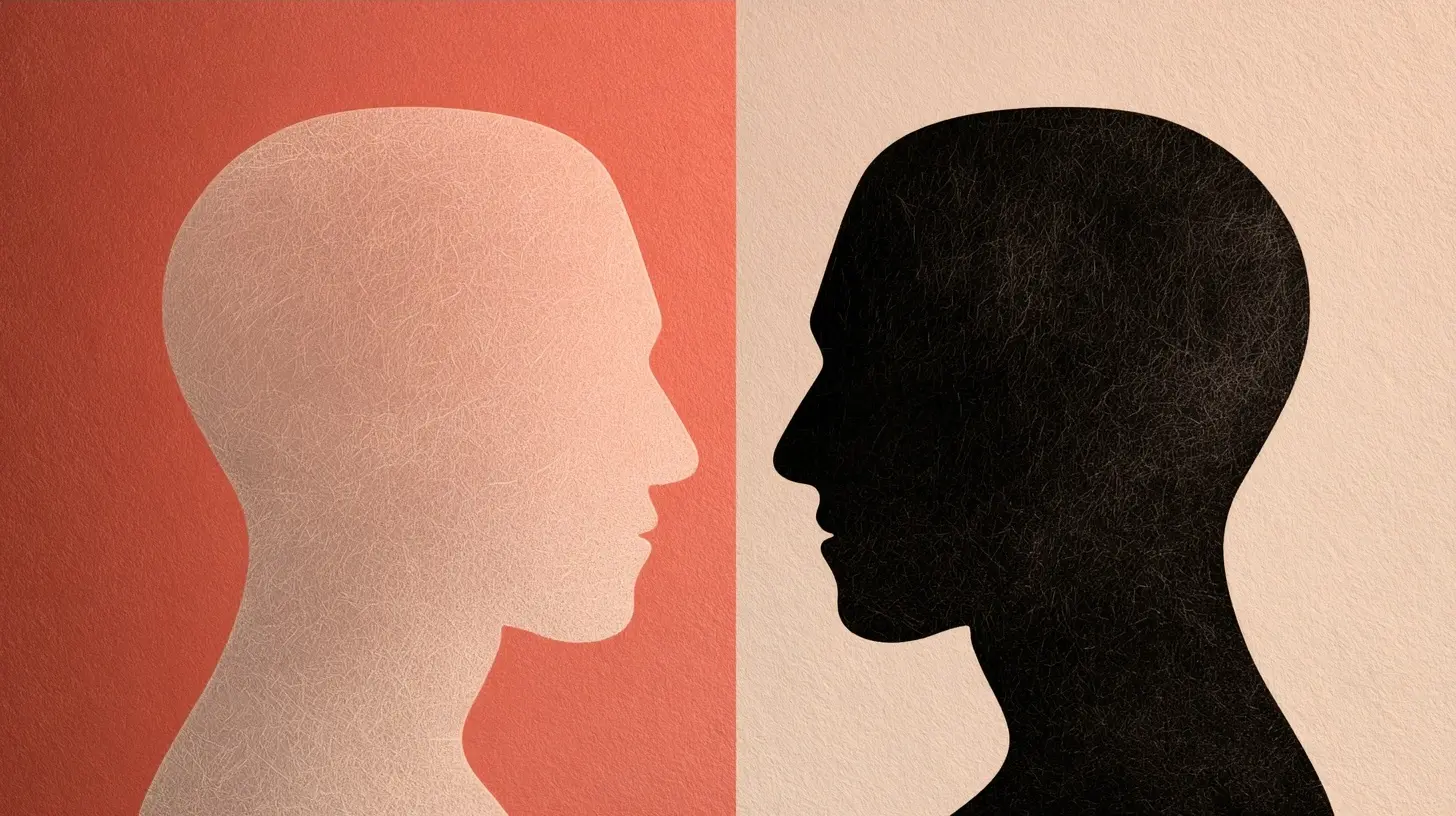
Steps to Unlearn Biases
Unlearning biases is not an overnight process; it requires consistent effort and self-reflection. Here are practical steps to help you navigate this journey.1. Self-Reflection
Before you can unlearn biases, you need to identify them. Take time to reflect on your thoughts and behaviors. Ask yourself questions like:- What assumptions do I make about others?
- Are these assumptions based on facts or stereotypes?
- How do my biases affect my decisions?
Keep a journal to track your reflections. Writing can help clarify your thoughts and reveal patterns in your thinking.
2. Seek Diverse Perspectives
Engaging with people from different backgrounds can challenge your biases. This exposure broadens your worldview and helps you understand experiences outside your own. Consider joining community groups, attending cultural events, or participating in discussions that push you out of your comfort zone.3. Educate Yourself
Knowledge is a powerful tool for unlearning biases. Read books, articles, and research that address topics related to bias, discrimination, and social justice. Understanding the historical context and implications of biases can help you see them more clearly in your own life.4. Practice Empathy
Empathy is key to overcoming biases. When you find yourself judging someone based on a bias, pause and try to see the situation from their perspective. Ask yourself how you would feel in their position. Practicing empathy can help dismantle preconceived notions.5. Challenge Your Assumptions
When you catch yourself making assumptions about someone, take a step back. Challenge those thoughts by asking for more information or looking for evidence that contradicts your bias. This practice encourages critical thinking and reduces automatic responses.6. Develop Mindfulness
Mindfulness helps you become aware of your thoughts and feelings without judgment. By practicing mindfulness, you can create space between your initial reactions and your responses. This can help you respond more thoughtfully and reduce the influence of biases.7. Create an Accountability System
Share your goals of unlearning biases with someone you trust. This accountability can motivate you to stay committed to your journey. Discuss your progress and setbacks regularly to gain insights and support.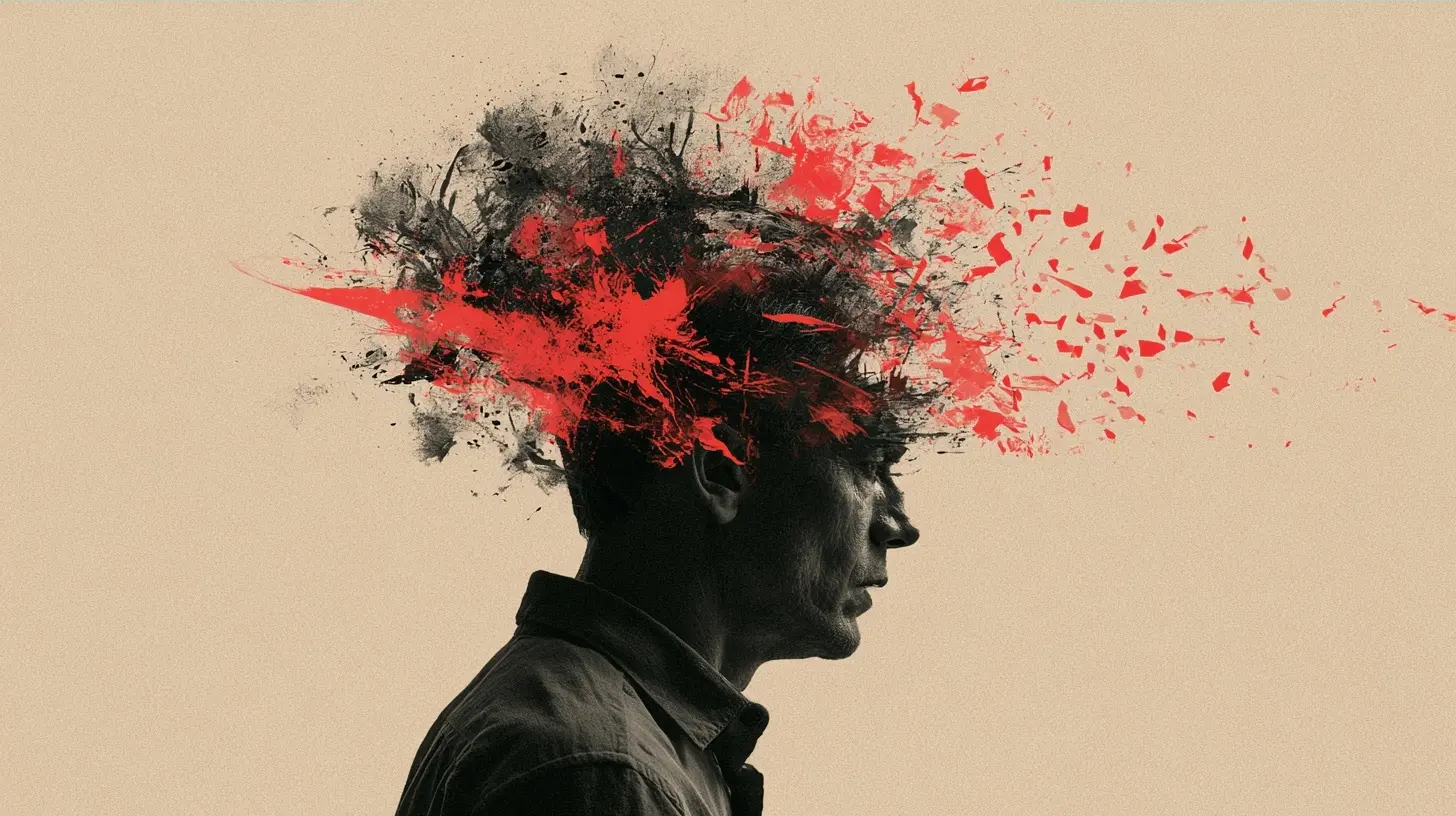
Common Mistakes in Unlearning Biases
As you work to unlearn biases, be aware of common pitfalls that can derail your efforts.1. Rushing the Process
Unlearning biases is a gradual process. Expecting immediate results can lead to frustration and discouragement. Be patient with yourself and recognize that change takes time.2. Ignoring Emotions
Biases are often tied to emotional responses. Ignoring these emotions can prevent you from addressing the underlying issues. Acknowledge your feelings and use them as a starting point for understanding your biases.3. Becoming Defensive
When confronted with your biases, it is natural to feel defensive. However, defensiveness can hinder growth. Approach feedback with an open mind and a willingness to learn.4. Overgeneralizing
While it is essential to recognize biases, avoid overgeneralizing. Not every individual from a particular group will fit a stereotype. Treat people as individuals and be cautious of broad assumptions.5. Failing to Revisit
Biases can resurface, especially in stressful situations. Regularly revisit your reflections and practices to reinforce your commitment to unlearning. This ongoing process is crucial for lasting change.Real-World Examples of Unlearning Biases
Example 1: Workplace Diversity Training
Many organizations implement diversity training to address biases among employees. These programs often include workshops that encourage self-reflection and discussions about privilege and discrimination. By creating a safe space for dialogue, employees can confront their biases and learn to work collaboratively.Example 2: Personal Relationships
Consider a person who holds biases against a particular cultural group. Through exposure to that culture-perhaps by attending cultural festivals or engaging with individuals from that background-they may begin to challenge their biases. This can lead to richer friendships and a more nuanced understanding of diversity.Example 3: Media Consumption
An individual who recognizes their bias toward a specific political viewpoint might intentionally seek out news sources that offer differing perspectives. By doing so, they can confront their biases and develop a more well-rounded understanding of complex issues.
Best Practices for Sustained Change
To ensure that unlearning biases becomes a lasting part of your life, consider these best practices:1. Continuous Learning
Make learning about biases a lifelong endeavor. Stay updated on research, attend workshops, and engage in discussions that challenge your thinking.2. Foster Open Dialogue
Encourage open conversations about biases in your personal and professional circles. Create environments where people feel safe to share their experiences and perspectives.3. Lead by Example
Model the behavior you wish to see in others. Demonstrating self-awareness and a commitment to unlearning biases can inspire those around you to do the same.4. Celebrate Progress
Acknowledge your growth and celebrate small victories along the way. Recognizing progress reinforces positive behavior and motivates you to continue.5. Stay Humble
Understand that unlearning biases is an ongoing journey. Stay humble and open to feedback, recognizing that there is always more to learn.Conclusion
Unlearning the biases that keep us stuck is a vital process for personal growth and healthier relationships. By engaging in self-reflection, seeking diverse perspectives, and challenging our assumptions, we can create a more inclusive and empathetic world. It requires commitment, patience, and a willingness to confront uncomfortable truths, but the rewards are invaluable.
all images in this post were generated using AI tools
Category:
Cognitive BiasesAuthor:

Ember Forbes