How Technology Is Shaping Emotional Maturity in Teens by 2026
2 September 2026
Ask any parent of a teenager what keeps them up at night, and you will likely hear something about a phone. Not the phone itself, of course, but what happens on it. By 2026, the conversation has shifted from "how much screen time is too much" to something far more complex: how digital life is rewiring the very mechanisms of emotional growth. The question is no longer whether technology affects teens. It does. The real question is whether that effect is making them emotionally sharper, emotionally stunted, or simply emotionally different from every generation before them.
The answer, as with most things human, is not a single verdict. It is a map of trade-offs, hidden costs, and surprising gains. To understand emotional maturity in 2026, you have to look at how teens practice it daily, not in a therapist's office, but in group chats, on short-form video feeds, and in the quiet moments between notifications.
The New Definition of Emotional Maturity
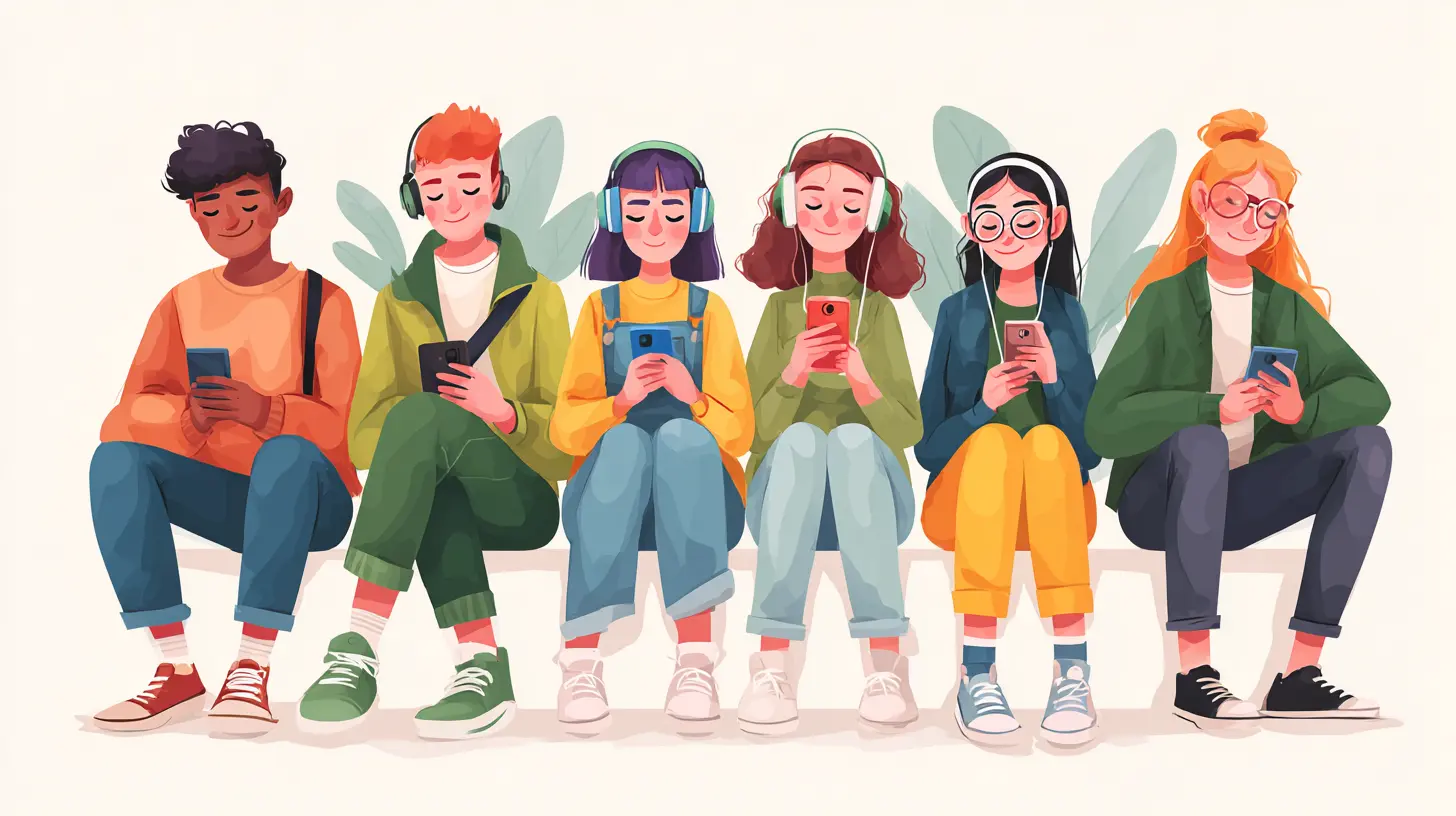
Emotional maturity used to mean a fairly stable set of skills: delaying gratification, reading social cues, managing anger, showing empathy, and taking responsibility for your own feelings. Those skills still matter. But the environment in which they develop has changed so drastically that the old benchmarks no longer apply cleanly.A mature teen in 2005 could hold a conversation without checking a device. A mature teen in 2026 can hold a conversation while their device buzzes with a crisis from a friend, a meme from a classmate, and a breaking news alert, and still manage to stay present. That is not the same skill. It is a harder one, and it is being trained constantly.
The flip side is that many teens are becoming experts at what researchers call "emotional compartmentalization." They can toggle between intense digital stimuli and calm face-to-face interaction, but the toggling itself may prevent deeper emotional processing. When you never sit with a feeling for more than thirty seconds because a new video or message interrupts it, you do not learn how to digest that feeling. You learn how to distract yourself from it.
By 2026, the most emotionally mature teens are not the ones who avoid technology. They are the ones who have developed an explicit awareness of how technology makes them feel, and who make deliberate choices about when to engage and when to step away. That metacognition, thinking about your own thinking and feeling about your own feeling, is the new hallmark of maturity.

How Digital Communication Changes Emotional Vocabulary
One of the most underappreciated effects of technology on teen emotional development is the expansion of emotional vocabulary. In text, teens have access to a wider range of expressive tools than any generation before: emojis, GIFs, reaction stickers, voice notes, and a constantly evolving slang that captures subtle emotional states. A teen in 2026 can communicate "I am annoyed but not angry, and I still like you" with a single emoji combination. That is a real skill.But there is a cost. Nuance in text is hard. Tone, sarcasm, and irony are notoriously difficult to convey without vocal cues. Teens often compensate by overusing punctuation, capital letters, or ironic detachment, which leads to misunderstandings. A study from the early 2020s found that teens misread the emotional tone of text messages about half the time, and there is no evidence that this has improved by 2026. In fact, the rise of AI-generated text and automated replies may be making it worse, because teens are now practicing emotional communication with bots that never get tired, never judge, and never push back.
That last part matters. Emotional maturity develops through friction. When you say something hurtful and see the other person's face fall, you learn to adjust. When you apologize and are met with silence, you learn what repair feels like. When you are misunderstood, you learn to clarify. Digital communication removes much of that friction. You can send a message, get an instant reaction emoji, and move on without ever sitting in the discomfort of a real interpersonal rupture.
The result is a generation that is often fluent in emotional expression but less practiced in emotional repair. They can name their feelings with precision, but they are slower to recognize when their words have wounded someone in a way that cannot be fixed with a "my bad" and a laughing emoji.
The Paradox of Constant Connection and Loneliness
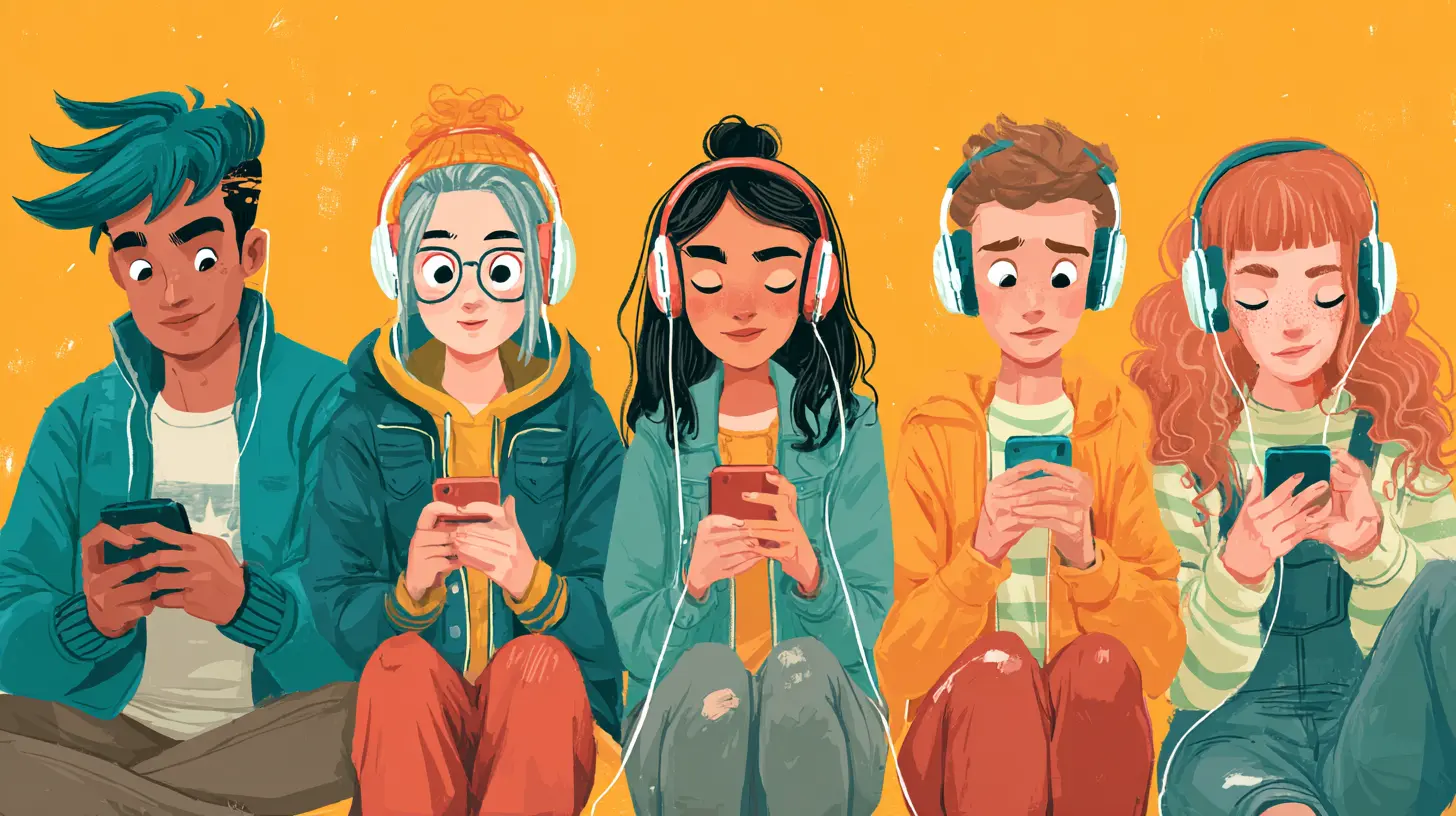
By 2026, teens are more connected than ever in terms of raw contact. Group chats never sleep. Social media feeds update every second. A teen can reach a friend in another country instantly. Yet rates of self-reported loneliness among teens remain stubbornly high, and in some surveys, they have climbed.The paradox is not hard to explain. Connection is not the same as intimacy. A teen can spend three hours a night on a Discord server, laughing and joking, and still feel that no one truly knows them. The reason is that digital interaction often skips the vulnerable layers that build trust. You can share a meme, but you cannot share a silence. You can react to a story, but you cannot hold someone's hand while they cry.
Emotional maturity requires the experience of being fully seen by another person, flaws and all. That happens in moments of unguarded presence. Technology, by its nature, is a filter. It allows teens to curate what they show, which is useful for safety but terrible for intimacy. The teens who fare best by 2026 are those who have at least one or two relationships, online or offline, where they practice raw, unfiltered self-disclosure. The ones who struggle are those who mistake constant digital contact for genuine emotional connection.
There is a practical implication here for parents and educators. Instead of asking "how much time do you spend online," the better question is "do you have someone you can text when you are truly falling apart, and do they actually know you are falling apart?" The first question measures quantity. The second measures quality.

Social Media and the Performance of Feelings
Social media has always been a stage, but by 2026, the performance has become more sophisticated. Teens are not just posting highlight reels of their lives. They are posting carefully crafted emotional narratives. A teen might share a video of themselves crying, but the video is lit, angled, and edited. The emotion is real, but the presentation is performative.This creates a strange double consciousness. Teens become both the actor and the audience of their own emotional lives. They learn to watch themselves feel, which can be a useful skill for self-regulation, but it can also lead to emotional detachment. When you are always aware of how your sadness looks to others, you stop being able to simply feel sad.
The bigger risk is the feedback loop. When a teen posts about their anxiety and receives hundreds of supportive comments, their brain learns that expressing vulnerability online is rewarding. That is not inherently bad. It can normalize seeking help. But it can also train teens to perform vulnerability for validation rather than to seek genuine support. The difference matters. One leads to connection. The other leads to a cycle of posting, waiting for reactions, and feeling empty when the likes stop.
By 2026, the most emotionally mature teens treat social media as a tool, not a mirror. They post because they want to share something specific, not because they need external validation to feel okay. That distinction is hard to teach and harder to internalize, but it is the single most protective factor against the emotional downsides of social media.
AI Companions and the Practice of Empathy
One of the most significant developments by 2026 is the widespread availability of AI companions. These are not just chatbots. They are sophisticated conversational agents that can remember past conversations, adapt to a user's personality, and provide emotional support around the clock. Many teens use them. Some use them more than they talk to their human friends.The implications for emotional maturity are profound. On one hand, AI companions offer a safe space to practice emotional expression. A teen who is afraid of judgment can tell an AI about their fears, their crushes, their darkest thoughts, without any social risk. This can be genuinely therapeutic. It can help teens articulate feelings they have never put into words before.
On the other hand, AI companions are designed to be agreeable. They do not get annoyed. They do not have their own needs. They do not push back. This means that teens who rely heavily on AI for emotional support are practicing empathy in a frictionless environment. They never have to learn how to read a human face, how to apologize for a real mistake, or how to tolerate the discomfort of another person's anger.
Empathy is not just about understanding how someone else feels. It is about being willing to sit with their feelings even when it is inconvenient. AI companions, no matter how advanced, cannot provide that experience. They simulate it. And simulation, while useful for practice, is not the same as the real thing.
The teens who benefit most from AI companions are those who use them as a supplement to, not a replacement for, human relationships. The ones who struggle are those who prefer the ease of an AI friend because human friends are messy and demanding. That preference, while understandable, is a red flag for emotional development.
The Role of Video Games in Emotional Regulation
Video games have gotten a bad rap in the emotional maturity conversation, but by 2026, the evidence is more nuanced. Multiplayer games, in particular, are intense training grounds for emotional regulation. A teen playing a competitive game experiences frustration, anger, excitement, and disappointment in rapid succession. They have to learn to manage those feelings in real time, often while communicating with teammates.The key variable is the social context. A teen playing alone in a dark room is not building the same skills as a teen playing with a consistent group of friends. The latter is practicing cooperation, conflict resolution, and grace under pressure. They are also learning to lose. That sounds trivial, but losing gracefully is a core component of emotional maturity. It requires accepting that you are not always the best, that outcomes are not always fair, and that your worth is not tied to your performance.
The downside is that games can become an escape hatch. A teen who is struggling socially can retreat into a game where they feel competent and in control. That is a coping mechanism, and it works in the short term. But if it becomes the primary coping mechanism, it prevents the teen from developing the skills to handle real-world social challenges. The game becomes a crutch, and the emotional muscles atrophy.
By 2026, the most balanced approach is not to ban games but to ask what role they play in a teen's life. Are they a source of connection and challenge? Or are they a way to avoid discomfort? The answer determines whether the game is helping or hurting emotional growth.
Digital Detox and the Limits of Willpower
There is a popular belief that teens just need to put down their phones and everything will be fine. This is the digital detox approach, and it has some merit. Taking a weekend away from screens can reset attention spans and reduce anxiety. But by 2026, it is clear that detoxes are not a long-term solution. They are a band-aid.The reason is that technology is not an external force that teens can simply opt out of. It is woven into their social fabric. School assignments are online. Friendships are maintained through group chats. Extracurricular activities communicate through apps. A teen who goes on a digital detox is not just giving up entertainment. They are giving up their social life. For many, that is not a relief. It is a punishment.
The teens who successfully manage their technology use do not rely on dramatic detoxes. They rely on small, sustainable habits. They turn off notifications for non-essential apps. They keep their phone in another room while doing homework. They have designated times when they are unreachable. These habits are not glamorous, but they work because they do not require constant willpower. They are structural solutions to a structural problem.
The bigger lesson for emotional maturity is that self-regulation is not about being stronger than your impulses. It is about designing your environment so that your impulses are less likely to be triggered. That is a sophisticated skill, and by 2026, the teens who have learned it are noticeably more emotionally stable than their peers.
What Parents and Educators Get Wrong
The most common mistake adults make is assuming that technology is a monolith. They talk about "screen time" as if watching a documentary, playing a violent game, and texting a friend are the same activity. They are not. The emotional impact of technology depends entirely on what the teen is doing, with whom, and why.A teen who spends two hours video chatting with a friend is building social skills. A teen who spends two hours scrolling through short videos is likely numbing out. A teen who spends two hours coding a game is developing persistence and problem-solving. A teen who spends two hours arguing with strangers on a forum is practicing conflict, but not in a healthy way. The activity matters more than the time.
Another common mistake is the assumption that emotional maturity is a fixed trait that teens either have or do not have. It is not. It is a set of skills that can be taught, practiced, and improved. Technology provides endless opportunities for practice, but only if adults help teens reflect on their experiences. A teen who posts something hurtful and gets negative feedback needs an adult to help them process that. Without that guidance, they either become defensive or they internalize the criticism as proof of their worthlessness.
The best approach is not to police technology but to coach it. Ask teens questions. What did you feel when you saw that post? Why do you think they responded that way? What could you have done differently? What do you want to do next time? These questions turn a digital experience into a lesson in emotional intelligence. They are the difference between a teen who reacts to technology and a teen who uses it intentionally.
The Hidden Strength of the 2026 Teen
It is easy to focus on the risks, and there are many. But by 2026, there is also a hidden strength emerging. Teens today are exposed to a wider range of human experiences than any generation before. They see perspectives from different cultures, different socioeconomic backgrounds, and different life experiences. That exposure, when guided properly, can build a kind of empathy that previous generations lacked.A teen who has watched a video from a refugee camp and then talked to a classmate who is a refugee has a deeper understanding of that classmate's situation. A teen who has seen a documentary about mental illness and then reads a friend's post about their own struggles is better equipped to respond with compassion. The key is that the exposure must be paired with reflection. Without reflection, it is just content. With reflection, it becomes wisdom.
The emotionally mature teen of 2026 is not the one who has avoided technology. It is the one who has learned to use technology as a lens, not a shield. They can step back from their own reactions and ask, "Why am I feeling this way?" They can recognize when a digital interaction is making them feel worse and choose to disengage. They can use online tools to express themselves creatively and to connect with others who share their struggles. They are not perfect, and they still make mistakes, but they are learning.
That is the real story. Technology is not destroying emotional maturity. It is changing the conditions under which it develops. Some teens will thrive in those conditions. Others will struggle. The difference is not the technology itself. It is the presence of caring adults who help teens make sense of their digital lives, and the teens' own willingness to ask hard questions about how they want to feel and who they want to be.
By 2026, the most important question is not "how much time do you spend on your phone?" It is "what kind of person are you becoming, both online and off?" That question, more than any rule or app or parental control, is the one that will shape the emotional maturity of an entire generation.
all images in this post were generated using AI tools
Category:
Emotional MaturityAuthor:

Ember Forbes
Discussion
rate this article
1 comments
Verity McWain
Technology has immense power to shape our emotional growth. As teens navigate this digital landscape, fostering resilience and empathy will be key. Let's empower them to harness these tools for true emotional maturity and connection.
September 22, 2026 at 4:02 PM
Ember Forbes
I completely agree. It's crucial for teens to learn how to use technology in ways that support their emotional development. Building resilience and empathy will make a big difference as they grow.