How Marketing Exploits Cognitive Bias to Drive Sales
6 October 2026
Marketing is not primarily a battle of products. It is a battle of perception, and perception runs on shortcuts. The human brain processes an estimated eleven million bits of sensory information per second, yet conscious awareness handles only a tiny fraction of that. To function, the mind relies on heuristics: fast, automatic rules of thumb that simplify decisions. These shortcuts are usually helpful. They also create predictable errors in judgment, known as cognitive biases.
Marketers who understand these biases do not necessarily manipulate people against their will. More often, they design choices so that a particular option feels easier, safer, or more obviously correct. That is the real mechanism. The product does not change. The frame around it does.
This article examines how cognitive bias drives sales, why these effects are so powerful, when their use crosses an ethical line, and how both marketers and consumers can think more clearly about them.
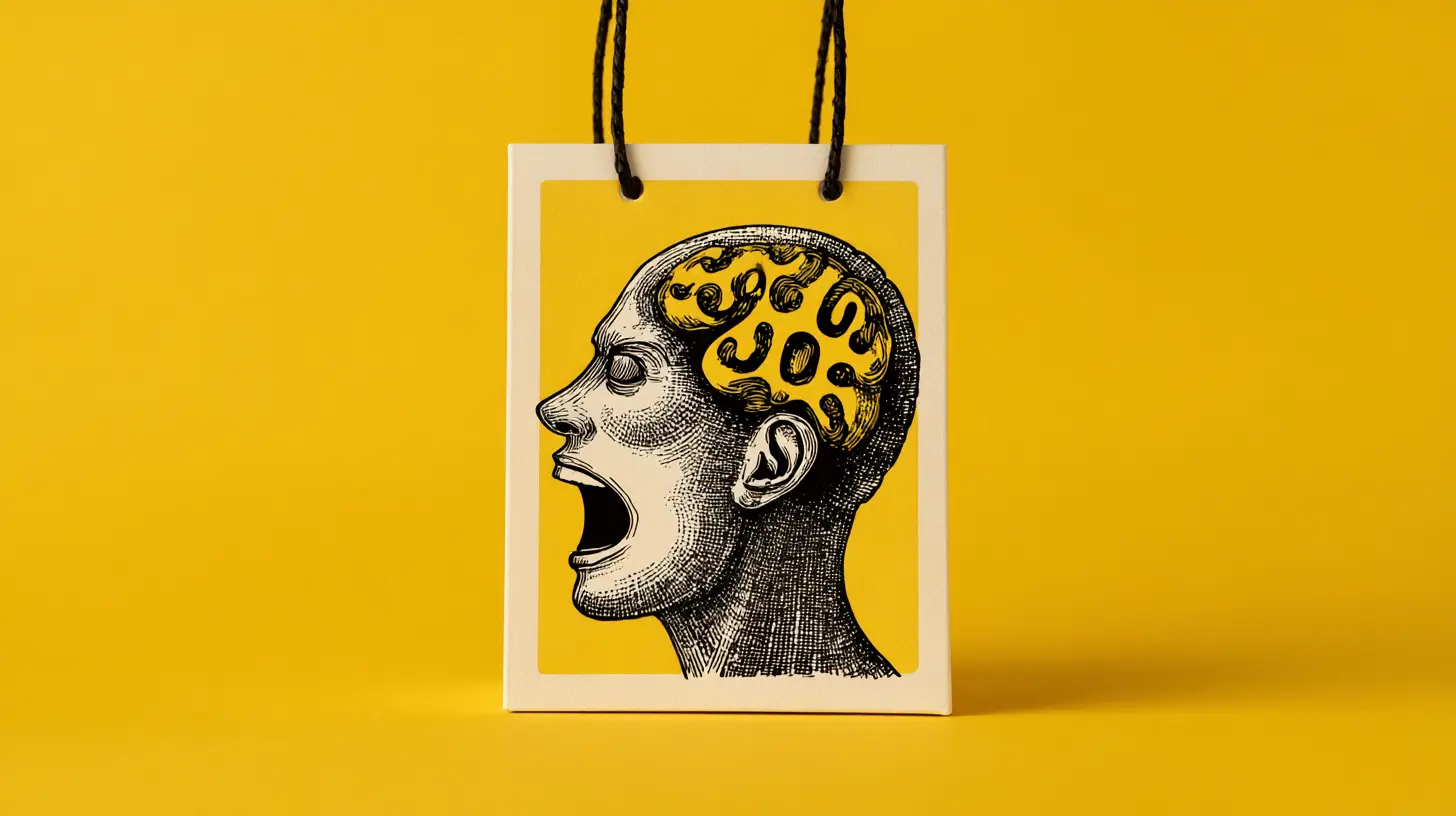
Why Cognitive Bias Matters More Than Features
A common misconception is that people buy after rationally comparing specifications. In reality, decisions are often made quickly and emotionally, then justified with logic afterward. This is not a character flaw. It is how the brain conserves energy.Consider two identical bottles of olive oil. One is labeled "75 percent fat free." The other is labeled "25 percent fat." Same product, different frame. Research on framing effects has repeatedly shown that people rate the first option more favorably. The bias is not in the oil. It is in the wording.
For marketers, this has a practical implication: how you present a product can matter as much as what the product actually is. For consumers, it means the feeling of "this is obviously the right choice" deserves scrutiny.
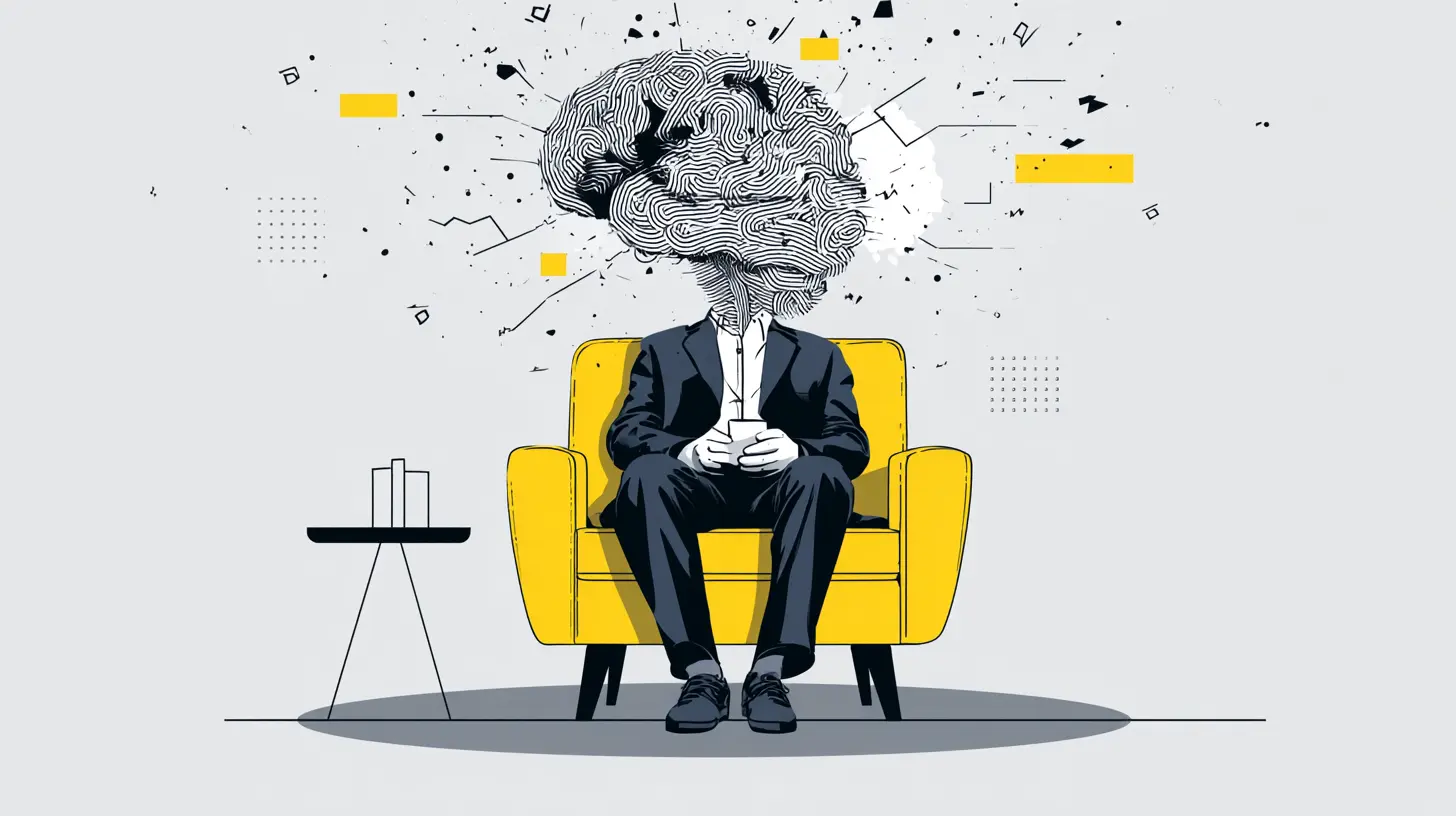
Anchoring: The First Number Sets the Stage
Anchoring describes the tendency to rely heavily on the first piece of numerical information encountered. That initial value becomes a reference point, and later judgments adjust from it, often insufficiently.How it works in pricing
A jacket listed at 400 dollars and marked down to 240 dollars feels like a bargain. Without the original 400 dollar figure, 240 dollars might feel expensive. The anchor does the work. This is why "was" prices, manufacturer suggested retail prices, and limited-time discounts are so common.Anchoring also appears in salary negotiations, subscription tiers, and real estate listings. In each case, the first number shapes what feels reasonable.
Why it works
The brain is a comparison machine. It struggles to evaluate absolute value but handles relative value well. An anchor gives it something to compare against. The problem is that the anchor may be arbitrary or inflated.When it backfires
If the anchor is implausible, it loses credibility. A 2,000 dollar "original price" on a 40 dollar watch reads as dishonest, not as a deal. Anchoring works best when the reference point is believable and verifiable.What consumers should do
Ask a simple question: what would this cost without the reference price? If you cannot answer, you are probably anchoring.
Loss Aversion: The Pain of Losing Beats the Pleasure of Gaining
Loss aversion is one of the most robust findings in behavioral economics. People feel losses roughly twice as intensely as equivalent gains. Marketers use this asymmetry constantly.Practical applications
Free trials exploit loss aversion. Once you have used a product for thirty days, canceling feels like losing something you already have. The same logic applies to "your cart is about to expire" messages, limited inventory warnings, and subscription renewals that require active cancellation.Insurance advertising leans on loss aversion too. The pitch is rarely "you might gain peace of mind." It is "imagine what happens if you are not covered."
Why it works
From an evolutionary standpoint, avoiding loss was often more important than pursuing gain. Missing a meal was survivable. Ignoring a predator was not. That wiring persists.The ethical line
Loss aversion becomes manipulation when the threatened loss is fabricated. Fake countdown timers and invented scarcity damage trust once discovered. The short-term lift is real, but the long-term cost to brand credibility often outweighs it.Best practice
Use genuine scarcity and real deadlines. If inventory is limited, say so honestly. If a price will actually rise, say when. Authentic urgency converts without eroding trust.
Social Proof: We Copy What Others Do
When uncertain, people look to others for guidance. This is called social proof, and it shows up in reviews, testimonials, download counts, and "bestseller" labels.Why it works
Uncertainty is uncomfortable. Seeing that many others chose an option reduces perceived risk. This is especially powerful for unfamiliar products or high-stakes purchases.The nuance most marketers miss
Not all social proof is equal. Similarity matters. A testimonial from someone who resembles the buyer is more persuasive than one from a celebrity. Specificity matters too. "Reduced my invoice processing time by 40 percent" outperforms "great product."Negative social proof can backfire. Messages like "most people do not recycle" can normalize the undesired behavior instead of discouraging it. Framing matters enormously.
Common mistake
Buying fake reviews or inflating user numbers. Beyond legal risk, audiences are increasingly skilled at detecting inauthenticity. One exposed fake review can taint an entire brand.What to consider
Ask whether your social proof is verifiable, relevant, and specific. If it is none of those, it is decoration, not persuasion.The Decoy Effect: Shaping Preferences Through Comparison
The decoy effect occurs when adding a third, inferior option makes one of the original options look more attractive.A classic structure
Imagine two subscription plans: basic at 10 dollars and premium at 20 dollars. Many buyers choose basic. Now add a third option: premium-plus at 22 dollars with almost no additional features. Suddenly the 20 dollar premium looks like the smart middle choice. The decoy exists to be rejected.Why it works
People avoid extremes when a middle option is available. The decoy shifts the perceived center of the decision.When it should not be used
Decoys that are obviously useless insult the buyer's intelligence. Used clumsily, they create confusion rather than clarity. The best pricing architectures guide people toward a genuinely good fit, not toward a trap.Trade-offs
A well-designed tiered structure can increase average order value. A poorly designed one increases decision fatigue and cart abandonment. Test carefully, and watch for confusion signals such as longer time on the pricing page or higher bounce rates.
The Framing Effect: Same Facts, Different Feelings
Framing is the broader principle behind many biases. The same information, presented differently, produces different decisions.Examples
"90 percent survival rate" versus "10 percent mortality rate." "Save 30 dollars" versus "avoid losing 30 dollars." "Made with real fruit" versus "contains no artificial fruit flavoring."Why it works
The brain reacts to the emotional tone of a message before it evaluates the content. Framing steers that first reaction.Where marketers go wrong
Framing becomes deceptive when it obscures material facts. Highlighting a low monthly payment while hiding a long contract term is not framing. It is concealment. The distinction matters both legally and reputationally.Practical guidance
Choose frames that are accurate and helpful. If a frame only works because the buyer does not understand the full picture, it will not survive contact with reality.The Sunk Cost Fallacy and Commitment
Once people invest time, money, or effort, they tend to continue, even when quitting would be wiser. Marketers leverage this through loyalty programs, progress bars, and onboarding sequences.How it shows up
A coffee shop punch card with two stamps already filled is more likely to be completed. A software trial that requires setup effort creates switching costs. A points system makes leaving feel like throwing away accumulated value.Why it works
Consistency is psychologically comfortable. Abandoning an investment feels like admitting a mistake.The risk
Sunk cost exploitation can trap customers in products they no longer want. That produces churn with resentment, which is worse than clean churn. Smart retention focuses on ongoing value, not on guilt.
Reciprocity: The Obligation to Give Back
When someone gives us something, we feel pressure to return the favor. Free samples, free guides, and complimentary consultations all trigger this.Why it works
Reciprocity is a social norm that holds communities together. Violating it feels uncomfortable, so people often reciprocate even when they did not ask for the gift.Best practices
Give something genuinely useful and unconditional. If the gift comes with obvious strings, the effect weakens or reverses. The strongest reciprocity plays are the ones where the recipient would have been happy even without buying.Authority and Credibility Signals
People defer to experts, especially under uncertainty. Certifications, endorsements, expert quotes, and professional design all signal authority.Why it works
Trusting experts is efficient. Most people cannot evaluate every claim themselves, so they rely on credentials.The misconception
Authority is not about sounding impressive. It is about being verifiably competent. Vague claims like "industry-leading" mean little. Specific credentials, named experts, and transparent methodology mean a lot.What readers should consider
Check whether the authority is relevant. A celebrity endorsement of a skincare product carries less weight than a dermatologist's recommendation, even if the celebrity is more famous.
Scarcity and Urgency: Real Versus Manufactured
Scarcity increases perceived value. When something is limited, people assume it must be desirable.Why it works
Scarcity signals competition. If others want it, it must be good. It also triggers loss aversion because missing out feels like a loss.The critical distinction
Real scarcity reflects actual supply constraints. Manufactured scarcity is invented to pressure buyers. The first builds trust over time. The second destroys it.Practical advice
If you use urgency, make it truthful. State the actual deadline or quantity. Avoid resetting timers that never expire. Audiences notice, and once they do, every future claim becomes suspect.The Halo Effect: One Trait Colors Everything
A single positive trait can influence judgments about unrelated traits. Attractive packaging makes products seem higher quality. A confident spokesperson makes claims seem more credible.Why it works
The brain prefers coherent impressions. It fills in gaps to create a consistent picture.Where it matters most
Premium branding relies heavily on the halo effect. Minimalist design, careful typography, and restrained color palettes signal quality before any feature is described.The caution
Halo effects can mask real weaknesses. A beautiful website does not guarantee a good product. Marketers who overinvest in aesthetics while neglecting substance eventually face disappointed customers.
The Mere Exposure Effect and Familiarity
People tend to prefer things they have seen before. Repeated exposure increases liking, even without conscious awareness.How marketers use it
Retargeting ads, consistent branding, and repeated messaging all leverage mere exposure. The goal is not always immediate conversion. Often it is familiarity that pays off later.Why it works
Familiarity feels safe. The brain treats the known as less threatening than the unknown.The trade-off
Overexposure breeds annoyance. The same ad shown too many times can flip from familiar to irritating. Frequency capping and creative rotation exist precisely to manage this balance.Choice Overload and the Paradox of Too Many Options
Contrary to intuition, more choices do not always lead to more sales. Beyond a certain point, options overwhelm and decisions stall.Why it works against marketers
Each additional option increases cognitive load. Buyers worry about making the wrong choice, so they delay or leave.Best practices
Curate ruthlessly. Highlight a recommended option. Reduce the number of variables. A menu with three clear paths often outperforms one with twelve.When more choice helps
For expert buyers in high-involvement categories, more options can signal depth and competence. The key is knowing your audience. Novices want guidance. Experts want range.
Combining Biases: Where Real Persuasion Happens
Single biases rarely operate alone. Strong marketing usually layers several at once.Consider a software landing page. A countdown timer creates urgency. A testimonial from a similar company provides social proof. A comparison table uses anchoring and the decoy effect. A free trial triggers reciprocity and loss aversion. Each element reinforces the others.
This layering is why isolated tactics often disappoint. The effect is cumulative.
The Ethics of Persuasion: Where to Draw the Line
Not every use of cognitive bias is manipulation. Persuasion helps people make decisions they will not regret. Manipulation pushes them toward decisions that benefit the seller at the buyer's expense.A useful test
Ask three questions. Is the claim true? Would the buyer still feel good about this decision in six months? Would I be comfortable if this tactic were publicly explained to the buyer?If the answer to any of these is no, the tactic is probably not worth using. Short-term gains from deceptive persuasion are usually outweighed by churn, refunds, and reputational damage.
The business case for ethics
Trust compounds. Brands that persuade honestly build a reservoir of goodwill that lowers future acquisition costs. Brands that manipulate pay a hidden tax in skepticism, higher support costs, and lower lifetime value.
How Consumers Can Defend Themselves
Understanding these biases is not just a marketing skill. It is a life skill.Practical countermeasures
Slow down high-stakes decisions. Ask what the reference price would be without the anchor. Separate the emotional reaction from the factual claim. Check whether scarcity is verifiable. Notice when a "gift" creates a sense of obligation. Recognize that a beautiful presentation says nothing about quality.A simple rule
If a decision feels urgent and obvious, that is precisely when to pause. Urgency and certainty are often manufactured, not discovered.How Marketers Should Apply This Knowledge
The most effective marketers treat cognitive bias as a design tool, not a weapon.Principles worth following
Match the tactic to the buyer's stage. Anchoring works in pricing. Social proof works in consideration. Loss aversion works in conversion. Reciprocity works at the top of the funnel.Test before scaling. Biases interact with audience, context, and product category in ways that are hard to predict. What works for one brand may fail for another.
Measure long-term outcomes, not just conversion rates. A tactic that lifts sales but increases refunds or churn is not a win.
Keep the buyer's interest in the frame. The best persuasion aligns the seller's incentive with the buyer's outcome. When those align, bias becomes a shortcut to good decisions rather than a trap.
Common Misconceptions to Avoid
A few myths deserve correction.First, cognitive biases are not irrationality. They are efficient heuristics that occasionally misfire.
Second, awareness does not eliminate bias. Even experts who study these effects fall for them. The goal is mitigation, not immunity.
Third, using biases does not automatically make marketing unethical. The ethics depend on truthfulness and intent, not on the psychological mechanism itself.
Fourth, more persuasion is not always better. Overloading a page with every tactic creates noise and erodes trust.
Final Thoughts
Cognitive bias is not a loophole in human reasoning. It is the architecture of it. Marketing that ignores this architecture fights human nature. Marketing that understands it can guide decisions with remarkable efficiency.The question is not whether to use these principles. Anyone who communicates is already using them, consciously or not. The real question is whether the use is honest, whether it serves the buyer, and whether it holds up when examined in daylight.
Marketers who answer those questions well build brands that last. Consumers who understand the same principles make better decisions and waste less money. Both outcomes are worth pursuing.
all images in this post were generated using AI tools
Category:
Cognitive BiasesAuthor:

Ember Forbes