How Art and Creativity Can Help Challenge Mental Health Stigma
19 March 2026
Mental health has long been shrouded in stigma, making it difficult for people to seek help or even talk about their struggles. But what if there was a way to break through the silence and change the narrative? Enter art and creativity—two powerful tools that can help reshape how society views mental health.
Art speaks when words fail. It has the power to express emotions, tell stories, and spark conversations that might otherwise be too difficult to start. Whether it’s painting, music, writing, or dance, creativity allows individuals to share their experiences in ways that touch hearts and open minds.
So, how exactly does art help challenge mental health stigma? Let’s dive in. 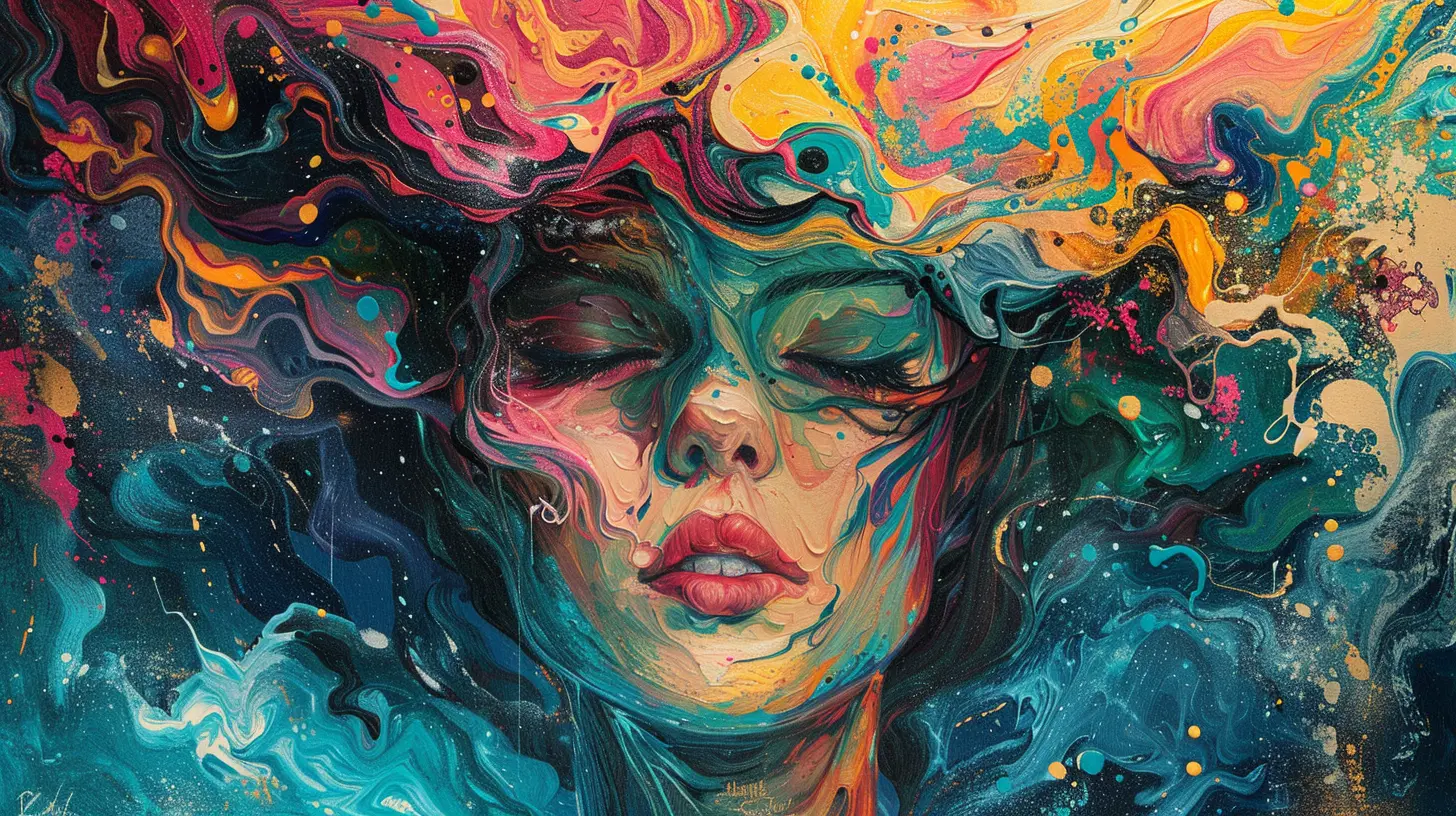
Art as a Universal Language
One of the most incredible things about art is that it transcends language and culture. No matter where you’re from, a powerful painting, song, or poem can resonate with you on an emotional level.For those struggling with mental health issues, expressing their experiences through art can be incredibly therapeutic. But even more than that, their work can help others understand what it feels like to live with anxiety, depression, or other conditions. When people see, hear, or experience something that reflects these struggles, it fosters empathy—and empathy is one of the biggest weapons against stigma.
Art doesn't just tell a story—it lets you feel it. And when people feel something deeply, they’re much more likely to change the way they think. 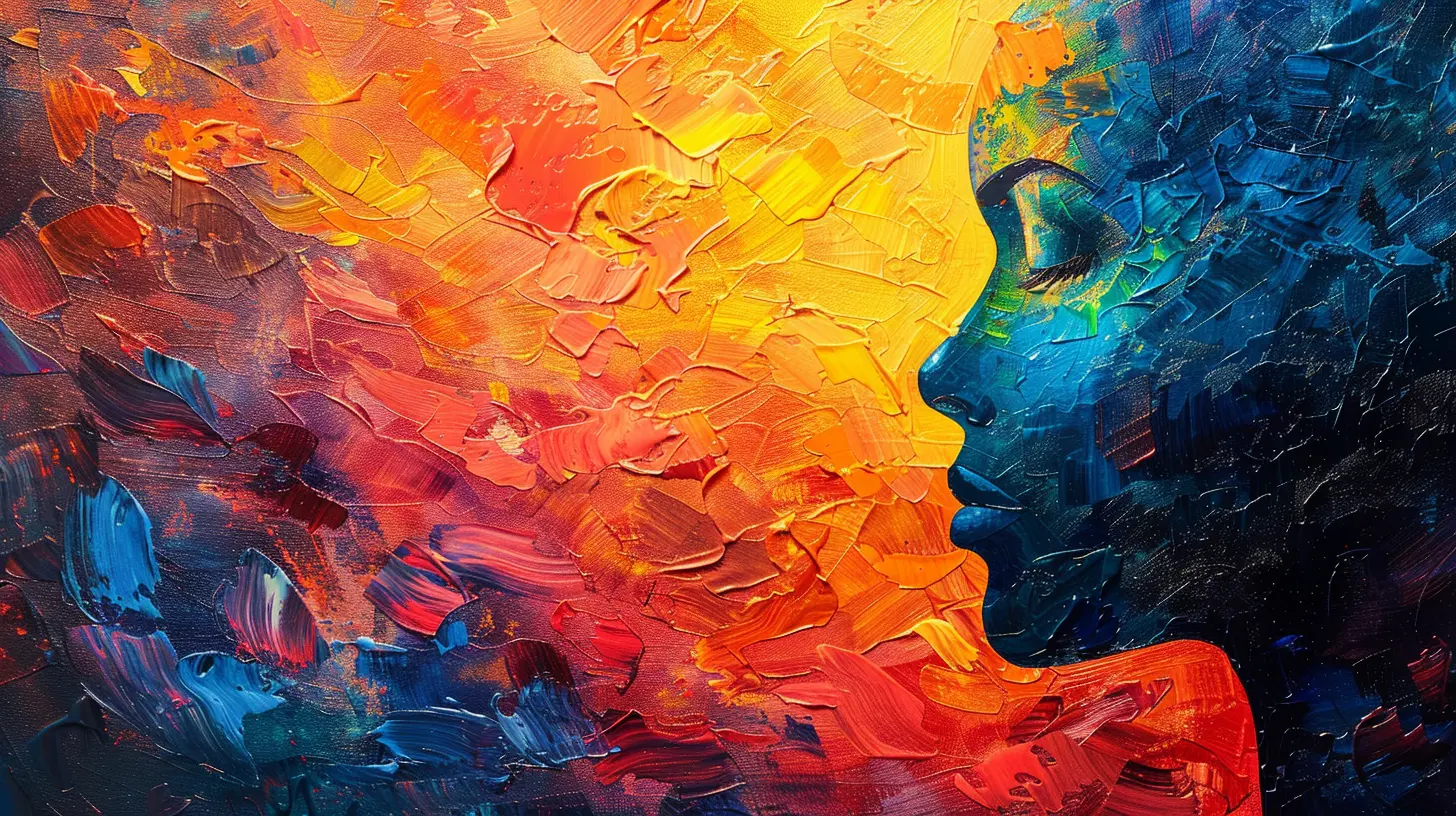
Breaking the Silence Through Creative Expression
In many societies, talking openly about mental health is still taboo. People fear being judged, misunderstood, or labeled as "weak." Creativity helps break that silence in ways that words alone sometimes can’t.Think about it—some of the most moving songs, films, and paintings come from a place of emotional struggle. These works create safe spaces for difficult conversations, making it easier for people to bring up topics they might otherwise avoid.
For example, a song about battling depression might resonate with someone who’s struggling, making them feel less alone. A powerful play about living with schizophrenia might change how an audience perceives the condition. When people see real, raw emotions expressed creatively, it challenges stereotypes and misconceptions about mental health. 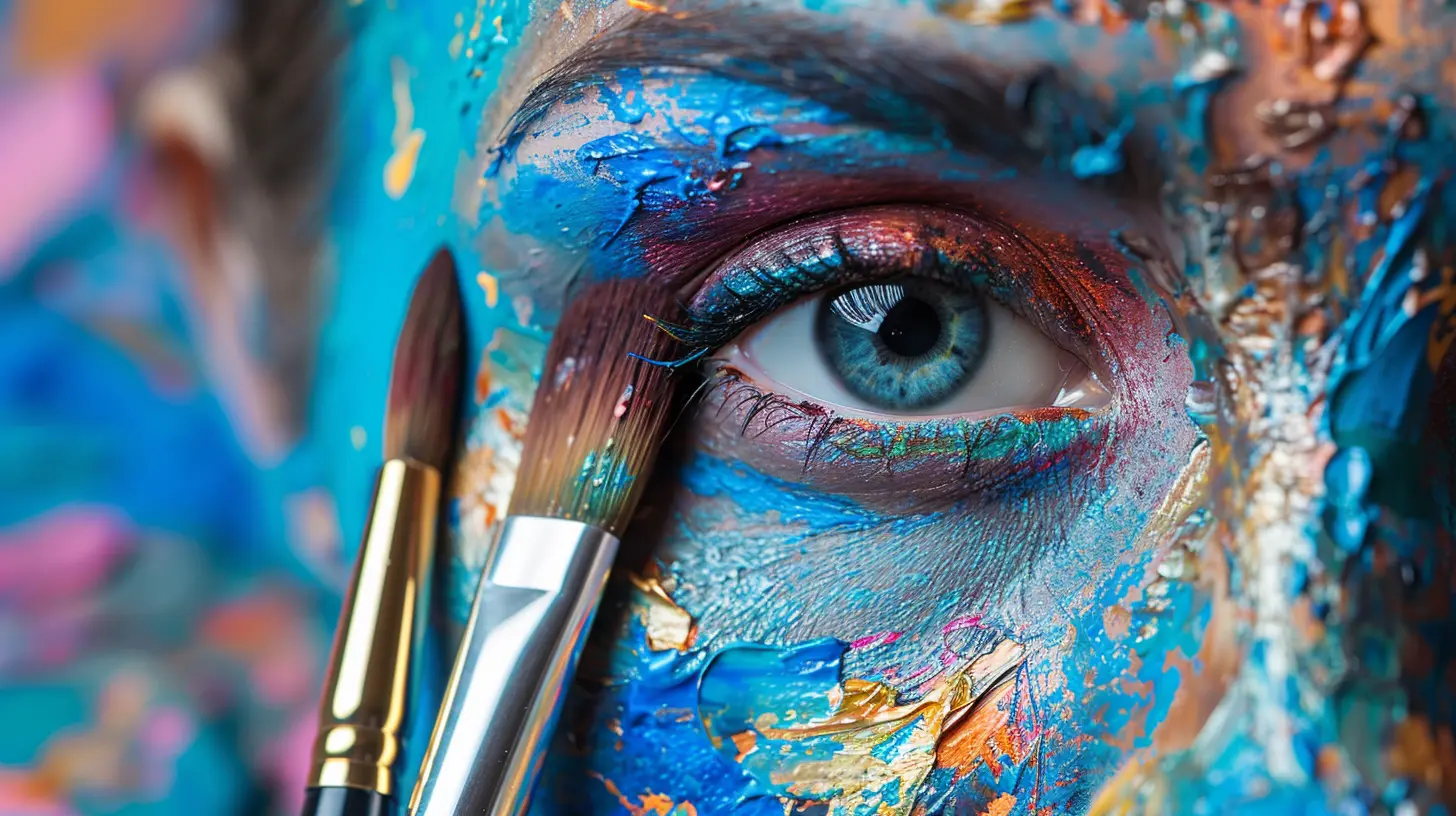
Art Humanizes Mental Health Struggles
One of the biggest reasons mental health stigma exists is because people often fear what they don’t understand. Many still see mental illness as something foreign, distant—something that happens to "others."But art has the power to humanize these struggles. It puts a face to the experience, making it real and relatable.
Consider photography projects that capture the raw emotions of those living with mental illness. Or spoken word poetry that shares personal stories of resilience. These forms of creative expression remind us that mental health challenges can affect anyone—our friends, family, coworkers, or even ourselves.
When we see mental health for what it truly is—a part of the human experience rather than a personal failing—it becomes harder to stigmatize it. 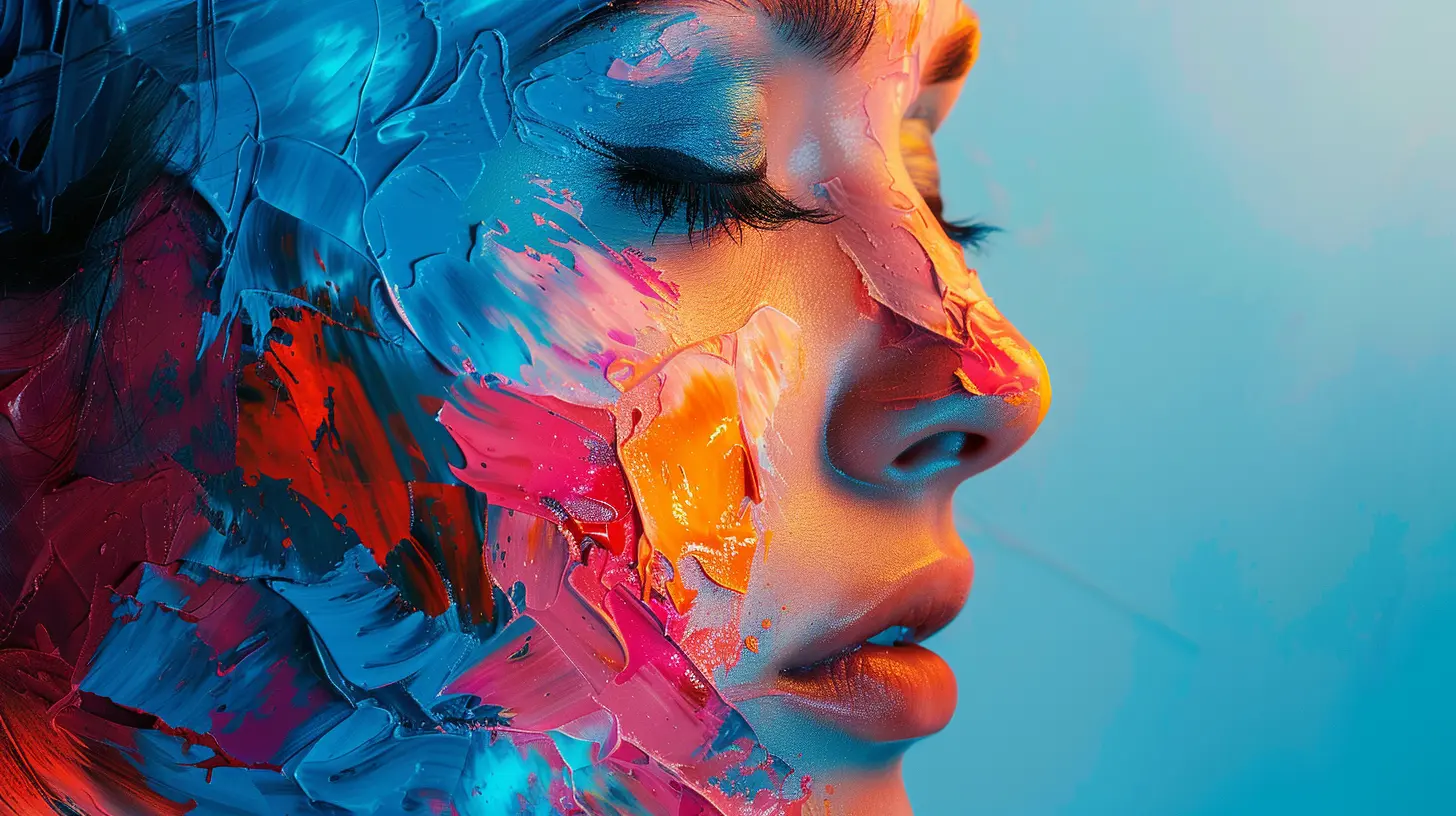
Creativity as a Form of Therapy
Creativity isn’t just a tool for raising awareness—it’s also a valuable form of therapy. Engaging in creative activities can have a profound impact on mental well-being by:- Reducing stress and anxiety
- Providing an emotional outlet
- Boosting self-esteem
- Encouraging mindfulness and presence
For many people, painting, writing, or playing music serves as a form of self-care. It allows them to release emotions, process trauma, and regain a sense of control over their thoughts and feelings.
In fact, art therapy is widely used to help individuals cope with depression, PTSD, and other mental health conditions. By making creativity part of the healing process, people can find new ways to express themselves without fear of judgment.
And the best part? You don’t need to be a "good" artist to benefit from creative expression. It’s not about producing a masterpiece—it’s about feeling, healing, and connecting.
Public Art and Social Change
Public art has played a significant role in challenging mental health stigma. Large murals, street art, and community projects often communicate powerful messages that spark awareness and conversation.For example, murals depicting people with lived experiences of mental illness help normalize the discussion. Poetry installations in public spaces encourage passersby to think and reflect. Even something as simple as a photography exhibit featuring diverse mental health stories can break down barriers and help people see mental health in a new light.
Social media has also amplified this movement. Artists from around the world share their work on platforms like Instagram and TikTok, reaching millions and sparking global conversations about mental health. These creative expressions serve as reminders that no one is alone in their struggles.
How You Can Use Creativity to Challenge Stigma
You don’t have to be a professional artist to make a difference. Everyone has the ability to use creativity to break down mental health stigma. Here are a few ways you can contribute:1. Share Your Story Through Art
Whether it’s writing a blog post, painting your emotions, or creating a song, your story has power. Your experiences can inspire others and help them realize they’re not alone.2. Support Mental Health-Focused Art Projects
There are countless artists and organizations using creativity to raise awareness. Support their work by sharing their content, attending their events, or contributing to their projects.3. Engage in Conversations
Use creative pieces—whether your own or others'—to start meaningful discussions. Share a thought-provoking poem or a song that captures mental health struggles and use it as a conversation starter.4. Encourage Art as Therapy
If you know someone struggling with their mental health, suggest creative outlets. Even something as simple as journaling or doodling can be therapeutic.5. Advocate for More Art in Mental Health Spaces
Hospitals, schools, workplaces—these spaces can all benefit from more creative representation of mental health. Advocate for programs that integrate art into mental health support systems.Final Thoughts
Mental health stigma won’t disappear overnight, but art and creativity have the power to create real, lasting change. By embracing creative expression, we can challenge outdated beliefs, inspire empathy, and build a world where mental health conversations are open, honest, and stigma-free.So whether you pick up a paintbrush, a pen, or a camera—remember that your creativity isn’t just an outlet for self-expression. It’s a force for change.
Let’s use our art to speak up, break barriers, and help create a future where mental health is understood, accepted, and supported.
all images in this post were generated using AI tools
Category:
Mental Health StigmaAuthor:
Ember Forbes
Discussion
rate this article
2 comments
Issac McKinley
Art: the best excuse for weird!
August 31, 2026 at 2:36 AM
Ember Forbes
Absolutely! Art allows us to express our unique perspectives and break down barriers. Embracing the weird can lead to deeper conversations about mental health.
Diana Fisher
Art isn’t just pretty pictures; it’s a powerful rebel against stigma! Let’s paint our truths and splash some vibrant reality on the dull canvas of mental health misconceptions!
March 24, 2026 at 5:10 AM
Ember Forbes
Absolutely! Art gives voice to experiences and challenges misconceptions in a bold way. Let's keep creating and sharing our truths.