Can CBT Help with Chronic Pain? Exploring the Mind-Body Connection
25 April 2026
Living with chronic pain is like carrying a backpack full of bricks everywhere you go—physically, mentally, and emotionally draining. It can seep into every part of your life, from your sleep schedule to your social relationships. But what if I told you there’s a way to manage chronic pain that doesn’t revolve entirely around medications or surgery?
Cue Cognitive Behavioral Therapy, better known as CBT.
You might be thinking, “Wait, therapy for pain? Isn’t that just for mental health stuff like anxiety or depression?” You're not alone in that thought. But the truth is, the mind and body are way more connected than we often give them credit for. And that's exactly where CBT comes into the picture. So, let’s dive deep and unravel how CBT might just be the missing puzzle piece in managing chronic pain.
What Exactly Is CBT?
First things first, let’s get clear on what CBT is. In simple terms, Cognitive Behavioral Therapy is a type of talk therapy that helps people spot and change unhelpful thought patterns, beliefs, and behaviors. The core idea is that our thoughts influence our feelings, which in turn influence our behaviors.For example: If you wake up thinking, “There’s no way I can get through the day with this pain,” you’ll probably feel discouraged and end up avoiding activity, which might actually make your pain worse. CBT helps break this cycle by teaching you how to reframe your thinking and shift your behaviors in a more helpful direction.
The Link Between Mind and Body
We often treat the mind and body as separate entities, but they’re in constant conversation. Think about it—when you’re stressed, your muscles tense up, your heart races, and your body feels heavier. That’s your mind impacting your body.Now, flip the script. If you’re in pain for months or years on end, it starts to affect your mood, your thoughts, and even how you interact with the world. That’s your body talking back to your mind.
CBT recognizes this two-way street and works at the intersection of mental and physical health. It doesn’t promise to "cure" chronic pain, but it can help you change your relationship with it.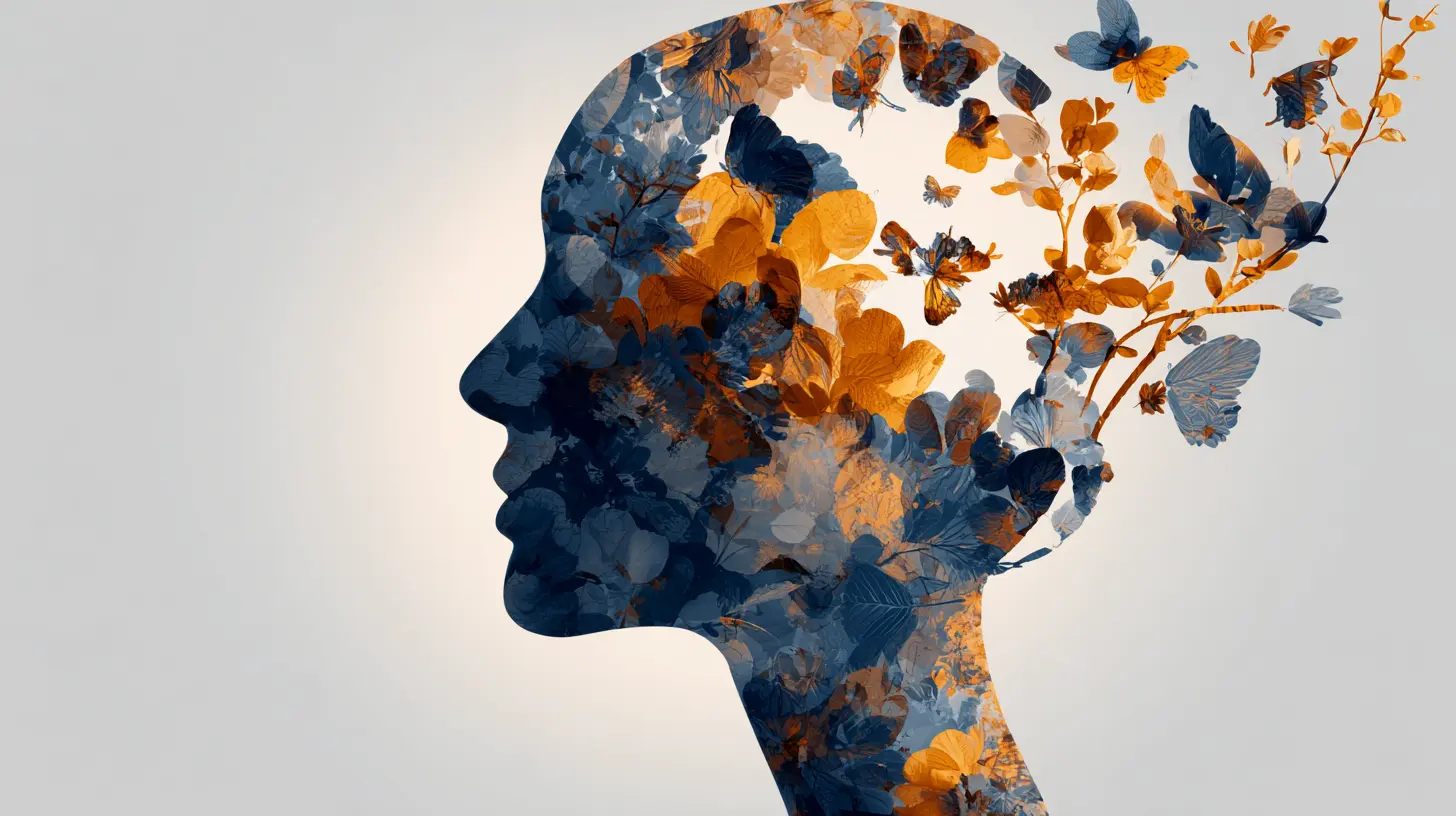
How CBT Helps with Chronic Pain
So, how does CBT actually help? Let’s break it down.1. Changing the Pain Narrative
Pain isn’t just physical—it’s also deeply emotional. We attach meaning to our pain. Some people think, “This pain will never end,” or “I’m broken.” These thoughts fuel fear, anxiety, and even more pain.CBT helps you catch these automatic thoughts and question them. Instead of thinking, “I can’t do anything because of the pain,” CBT might help you reframe it as, “I’m in pain, but I can still try to do small things today.”
That’s not just positive thinking. That’s reclaiming control.
2. Reducing Pain Catastrophizing
Ever heard of catastrophizing? It’s when you imagine the worst-case scenario, especially when it comes to health. People with chronic pain often fall into this trap, thinking things like “This pain means I’m getting worse,” or “My life is over.”CBT teaches you to recognize these exaggerated thoughts and replace them with more realistic ones. This reduces anxiety, which—as you probably guessed—can ease the intensity of pain.
3. Breaking the Fear-Avoidance Cycle
Here’s a common pattern: You feel pain, so you avoid activity out of fear that it’ll get worse. But the less you move, the weaker your muscles become. Your pain ends up increasing, confirming your fear. And the cycle continues.CBT helps you gently reintroduce movement, with the understanding that hurt doesn’t always mean harm. You learn to challenge your fears and gain confidence in your body again.
4. Relaxation and Stress Management
Ever notice how your pain flares up when you’re stressed out? That’s no coincidence. Stress ramps up inflammation and muscle tension—both bad news for chronic pain sufferers.CBT includes techniques like deep breathing, progressive muscle relaxation, and mindfulness training. These tools help your body calm down, which in turn can make your pain more manageable.
5. Goal Setting and Activity Pacing
Pacing is something many people with chronic pain struggle with. You feel good one day and try to do everything at once—only to crash the next day with a massive pain flare-up.CBT teaches you how to set realistic goals, pace your activities, and maintain a steady, sustainable rhythm. Think of it like budgeting your energy instead of blowing it all at once.
Real-Life Improvements: What Does the Research Say?
Okay, so the theory sounds great, but does it actually work?According to numerous studies, yes. CBT has been shown to lead to:
- Reduced pain intensity
- Improved physical functioning
- Better mood and reduced depressive symptoms
- Increased participation in daily activities
- Enhanced quality of life
One review even found that CBT can be just as effective as some medications for certain types of chronic pain—without the side effects.
It’s particularly helpful for conditions like fibromyalgia, arthritis, chronic back pain, migraines, and even irritable bowel syndrome (IBS).
What to Expect in a CBT Session for Pain
If you’re considering giving CBT a shot, you might wonder what it actually looks like. A typical session might include:- Identifying negative thought patterns around your pain
- Learning relaxation and coping skills
- Setting small, achievable goals
- Tracking your progress from week to week
- Practicing new skills both during and outside of sessions
Most CBT programs for pain are short-term (around 6–12 weeks) and can be done individually, in groups, or even through online platforms.
Is CBT Right for Everyone?
Now, let’s keep it real—CBT isn't a one-size-fits-all magic bullet. It works best when you’re open to trying new ways of thinking and behaving. It also takes effort, consistency, and sometimes stepping out of your comfort zone.If you're skeptical or if your pain has a strong medical component that needs other treatments, CBT should be seen as a part of a broader pain management strategy—not a replacement for necessary medical care.
That being said, it has helped a lot of people shift from surviving to thriving.
Final Thoughts: Rewriting the Pain Story
Here’s the deal: Chronic pain might not go away completely, but how you experience and respond to it can change dramatically. CBT empowers you to rewrite the story you tell yourself about your pain. It puts you back in the driver’s seat.It doesn’t promise a pain-free life, but it can offer a fuller, richer, and more manageable one. And honestly, that’s a pretty big win.
So, if you’re tired of just coping and want to start managing your pain in a new way—CBT is absolutely worth looking into. After all, healing often starts not just with the body, but with the thoughts we carry in our minds.
Frequently Asked Questions (FAQs)
Q: Can CBT cure chronic pain?A: Nope, CBT doesn't "cure" pain, but it makes it more manageable by changing how you respond to it.
Q: How long does it take to see results?
A: Many people notice changes within a few weeks, especially in their mood and outlook. Pain perception may take a bit longer to shift.
Q: Do I need a therapist, or can I try it on my own?
A: Having a trained CBT therapist is ideal, but there are also self-help books, apps, and online programs specifically designed for chronic pain.
Q: Is CBT safe to use alongside medication?
A: Absolutely. CBT is a great complement to medical treatments and can even help reduce your reliance on pain meds.
Q: What if I don’t believe CBT will help me?
A: That’s a totally valid feeling. Sometimes just being open to the possibility is enough to get the ball rolling.
Takeaway
The mind and body dance together more than we often realize. CBT offers a smart, science-backed way to improve how you live with chronic pain—not by silencing it, but by changing the way you interpret and react to it.If you're ready to switch from just enduring pain to actually managing it with more confidence and control, CBT might be your next right step.
all images in this post were generated using AI tools
Category:
Cognitive Behavioral TherapyAuthor:

Ember Forbes
Discussion
rate this article
1 comments
Marigold Gray
Sassy, brief, and bold: "Sure, your pain is real. But so is your brain’s power to mess with it. CBT won’t erase the ache, but it might just shut down your misery’s VIP pass. Mind-body flex, anyone?
April 30, 2026 at 4:21 AM
Ember Forbes
Absolutely. The mind-body connection is powerful. CBT can help you manage pain by changing your response to it. It's all about reclaiming control.