Breaking the Cycle: Healing Generational Trauma
22 November 2026
Generational trauma refers to the psychological and emotional effects of trauma that are passed down from one generation to another. These traumas can stem from various sources-war, systemic oppression, abuse, and neglect, among others. Understanding and addressing generational trauma is not only crucial for personal healing but also for the well-being of future generations. This article will delve into the nuances of generational trauma, the mechanisms through which it is transmitted, and practical strategies for healing.
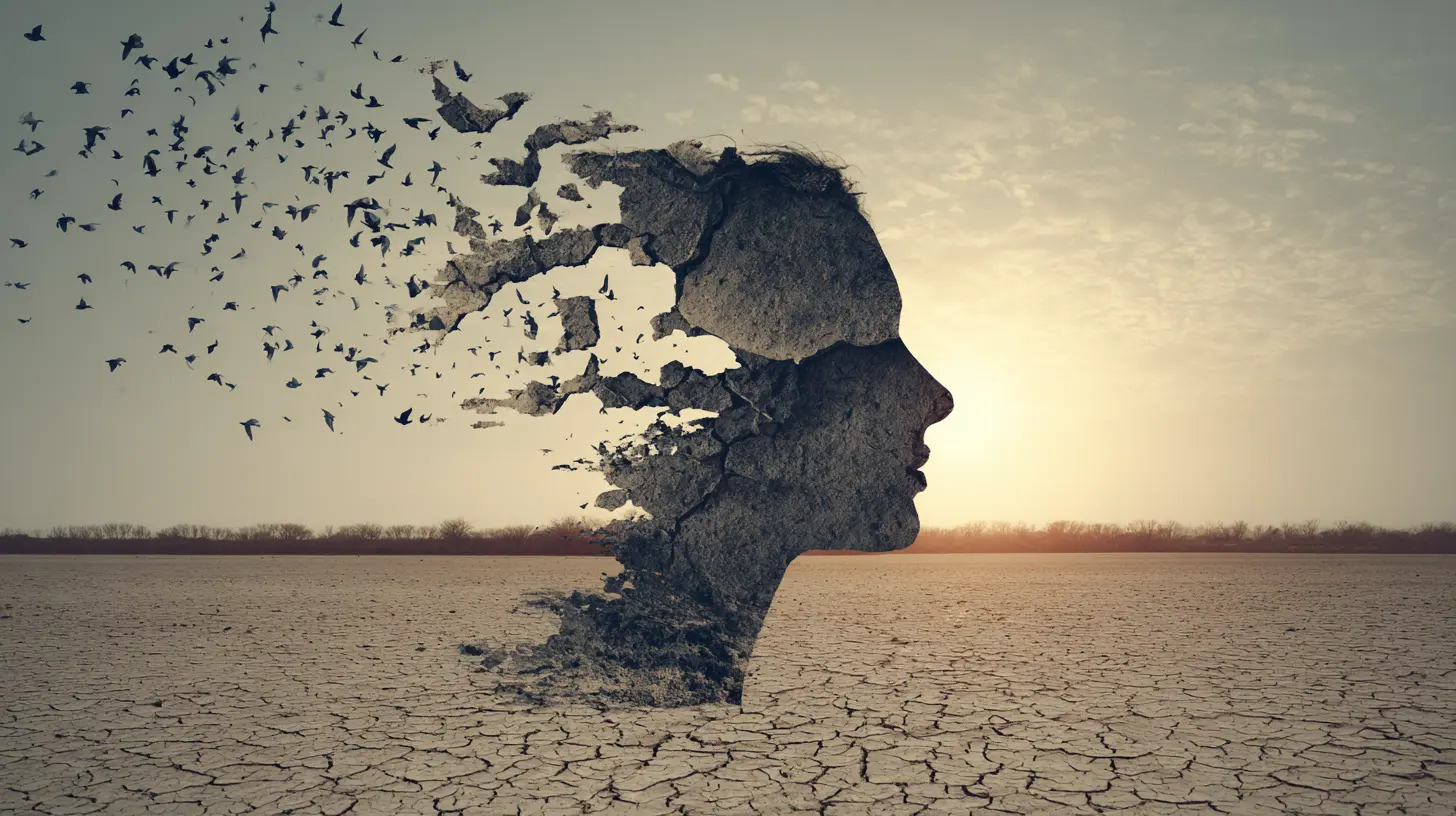
Understanding Generational Trauma
Definition and Mechanisms
Generational trauma is often described as trauma that affects not just the individuals who experienced it, but also their descendants. This phenomenon occurs through various mechanisms, including:- Behavioral Patterns: Parents may unknowingly transmit their trauma responses to their children through learned behaviors. For example, a parent who experienced childhood neglect may struggle to form secure attachments, leading to similar issues in their children.
- Emotional Responses: Children often absorb the emotional states of their parents. A parent dealing with unresolved trauma may exhibit anxiety or depression, which can influence their child's emotional development.
- Biological Factors: Some research suggests that trauma can lead to changes in gene expression. These epigenetic changes may affect how future generations respond to stress and trauma.
Common Sources of Generational Trauma
1. Historical Trauma: Communities that have faced systemic oppression, such as Indigenous populations, often carry the weight of historical trauma. This trauma manifests in various psychological and social issues that can perpetuate across generations.2. Family Dynamics: Trauma within families, such as domestic violence or substance abuse, can create a cycle of trauma that impacts all members. Children raised in such environments may develop maladaptive coping strategies.
3. Socioeconomic Factors: Poverty and lack of access to resources can exacerbate trauma. Families living in chronic stress due to economic instability may struggle to provide a nurturing environment for their children.

Signs of Generational Trauma
Recognizing the signs of generational trauma is the first step toward addressing it. Here are some common indicators:Emotional Symptoms
- Anxiety and Depression: Children of traumatized parents may exhibit heightened anxiety, depression, or emotional numbness.- Low Self-Esteem: A pervasive sense of worthlessness can stem from the internalization of parental trauma.
Behavioral Symptoms
- Avoidant Behaviors: Individuals may engage in avoidance strategies, such as withdrawing from relationships or avoiding situations that trigger memories of trauma.- Substance Abuse: Many turn to drugs or alcohol as a coping mechanism, perpetuating the cycle of trauma within families.
Physical Symptoms
- Chronic Pain: Unexplained physical ailments can sometimes be linked to the psychological burden of generational trauma.- Stress-Related Disorders: Conditions like hypertension or gastrointestinal issues may arise from prolonged exposure to stress and trauma.

The Healing Process
Healing generational trauma is not a linear journey, but it can be achieved through various approaches. The following sections outline effective strategies for healing.Individual Therapy
Therapeutic interventions provide a safe space for individuals to process their trauma. Several modalities can be particularly effective:1. Cognitive Behavioral Therapy (CBT): CBT helps individuals identify and reframe negative thought patterns that arise from trauma. It is particularly useful for those struggling with anxiety or depression.
2. Eye Movement Desensitization and Reprocessing (EMDR): This therapy focuses on processing traumatic memories and can be exceptionally beneficial for trauma survivors.
3. Somatic Experiencing: This approach emphasizes the connection between the mind and body, helping individuals release stored trauma physically.
Family Therapy
Family therapy can be instrumental in addressing generational trauma. It enables family members to:- Communicate Openly: Creating a dialogue about trauma can foster understanding and empathy among family members.
- Break Negative Cycles: Family therapy helps identify and disrupt patterns of behavior that perpetuate trauma.
Community Support
Engaging with community resources can provide additional support. Consider the following options:- Support Groups: Connecting with others who share similar experiences can provide validation and understanding.
- Cultural and Community Healing Practices: Many cultures have traditional healing practices that can aid in the healing process. Engaging with these practices can foster a sense of belonging and identity.
Self-Help Strategies
While professional help is invaluable, self-care practices can also play a critical role in healing:1. Mindfulness and Meditation: Practicing mindfulness can help individuals stay grounded and aware of their emotions. Techniques such as meditation and deep breathing can reduce anxiety and improve emotional regulation.
2. Journaling: Writing about experiences can facilitate emotional processing and self-reflection. It can serve as a therapeutic outlet for individuals struggling to express their feelings verbally.
3. Physical Activity: Engaging in regular exercise can improve mood and reduce stress. Activities like yoga can also combine physical and emotional healing.
4. Creative Expression: Art, music, and dance can provide avenues for self-expression and healing. Engaging in creative activities can help individuals process emotions in a non-verbal way.

Challenges in Healing Generational Trauma
Healing generational trauma is fraught with challenges. Understanding these obstacles can help individuals navigate their healing journey more effectively.Resistance to Acknowledgment
One of the most significant barriers to healing is the resistance to acknowledging trauma. Many individuals fear facing the pain associated with their family's history. This denial can perpetuate the cycle of trauma. It is essential to approach the topic with compassion, allowing individuals to take their time in the healing process.Misconceptions About Trauma
Many people hold misconceptions about trauma, such as the belief that only major events can cause lasting damage. In reality, even seemingly minor experiences can have profound effects. Understanding that trauma is subjective and can vary from person to person is crucial.The Role of Shame and Guilt
Shame and guilt often accompany discussions of trauma. Individuals may feel ashamed of their family history or guilty for not being able to "move on." Recognizing these feelings as common reactions can help mitigate their impact.Best Practices for Supporting Others
If you are supporting someone who is navigating generational trauma, consider the following best practices:1. Listen Without Judgment: Create a safe space for individuals to share their experiences. Avoid minimizing their feelings or offering unsolicited advice.
2. Encourage Professional Help: Gently suggest that they seek professional support if they are struggling to cope with their trauma. A therapist can provide the necessary tools for healing.
3. Be Patient: Healing is a process that takes time. Offer your support without pressing for immediate results.
4. Educate Yourself: Understanding generational trauma can help you provide informed support. Familiarize yourself with the signs, symptoms, and healing strategies.
Conclusion
Healing generational trauma is a complex journey that involves understanding the intricacies of trauma transmission and actively working toward healing. While the process may be challenging, the potential for transformation is profound. By engaging in therapy, fostering open communication, and practicing self-care, individuals can break the cycle of trauma and pave the way for healthier future generations.the journey of healing from generational trauma is not just about addressing personal pain; it is about creating a legacy of resilience, compassion, and understanding for those who come after us.
all images in this post were generated using AI tools
Category:
Healing TechniquesAuthor:

Ember Forbes
Discussion
rate this article
1 comments
Berenice Wood
Healing generational trauma is a brave journey. Acknowledging pain while seeking understanding can lead to profound growth and connection. You're not alone.
November 22, 2026 at 4:24 AM