The Impact of Nature on Mental Clarity and Cognitive Function
3 February 2026
Ever feel like your brain is stuck in a fog? Like no matter how hard you try, you just can’t seem to focus? You’re not alone. In today’s fast-paced world, constant screen time, work responsibilities, and daily stress can make our minds feel cluttered.
But what if the solution to a clearer, sharper mind was as simple as stepping outside? Turns out, nature has a profound impact on mental clarity and cognitive function. Let’s dive into how spending time in green spaces can help refresh your mind and enhance your thinking skills. 
The Science Behind Nature and the Brain
You’ve probably heard that spending time outdoors is good for you, but do you know why? It’s not just about fresh air and exercise—there’s actual science behind it.Research has shown that being in nature activates the parasympathetic nervous system, which helps us feel calm and relaxed. At the same time, it reduces activity in the prefrontal cortex, the part of the brain responsible for overthinking and decision-making. This means nature literally gives our brains a break.
A study published in Environmental Psychology found that people who took a walk in a natural setting performed 20% better on memory and attention tasks compared to those who walked in urban areas. That’s a significant boost! 
How Nature Improves Mental Clarity
1. Reduces Mental Fatigue
Ever feel mentally drained after a long day of work or studying? That’s because our brains have a limited capacity for focus. When we spend hours staring at computer screens, reading, or problem-solving, we overuse certain neural pathways.Nature acts as a reset button. The soft fascination of natural environments—like birds chirping, leaves rustling, and water flowing—helps restore our attention without overwhelming us. This is called Attention Restoration Theory (ART), which suggests that engaging with nature allows our brains to recover, leading to improved focus and mental clarity.
2. Boosts Creativity
Struggling with writer’s block? Can’t think of a solution to that tricky problem? A dose of nature might be exactly what you need.A study by the University of Kansas found that people who spent multiple days in the wilderness increased their creativity by 50%. Being surrounded by nature encourages mind-wandering, which is essential for creative thinking. Basically, when you’re outside, your brain has the freedom to connect ideas in new and unexpected ways.
So, the next time you’re stuck on a problem, try stepping outside. A short walk in the park could be more effective than staring at your screen for hours.
3. Enhances Focus and Concentration
Do you ever feel like your attention span is shrinking? You’re not imagining it. Our modern world is full of distractions, from social media notifications to endless emails.Luckily, nature can help. Research shows that spending just 20 minutes in a natural setting improves concentration and cognitive performance. In fact, exposure to green spaces has even been linked to improved focus in children with ADHD.
If you’re struggling to concentrate, take a quick break outside. Even looking at a picture of nature has been shown to boost attention levels!
4. Lowers Stress and Anxiety
Stress is like mental clutter—it blocks our ability to think clearly. When we’re stressed, our bodies release cortisol, a hormone that, in high levels, can impair memory and cognitive function.Spending time in nature reduces cortisol levels, helping to alleviate stress and anxiety. Forest bathing, a Japanese practice known as Shinrin-Yoku, is a great example. It involves immersing yourself in a forest environment and has been scientifically proven to lower blood pressure, reduce anxiety, and improve overall cognitive function.
Even if you don’t live near a forest, simply sitting under a tree, listening to nature sounds, or tending to a garden can provide similar benefits.
5. Improves Sleep Quality
We all know how important sleep is for brain function. Lack of sleep can lead to brain fog, memory problems, and difficulty concentrating.Spending time in natural light, especially in the morning, helps regulate your circadian rhythm. This means you’ll fall asleep easier and wake up feeling refreshed and mentally sharp.
A short morning walk outside can do wonders for your sleep schedule. Plus, exposure to natural light increases serotonin production, which helps improve mood and cognitive function. 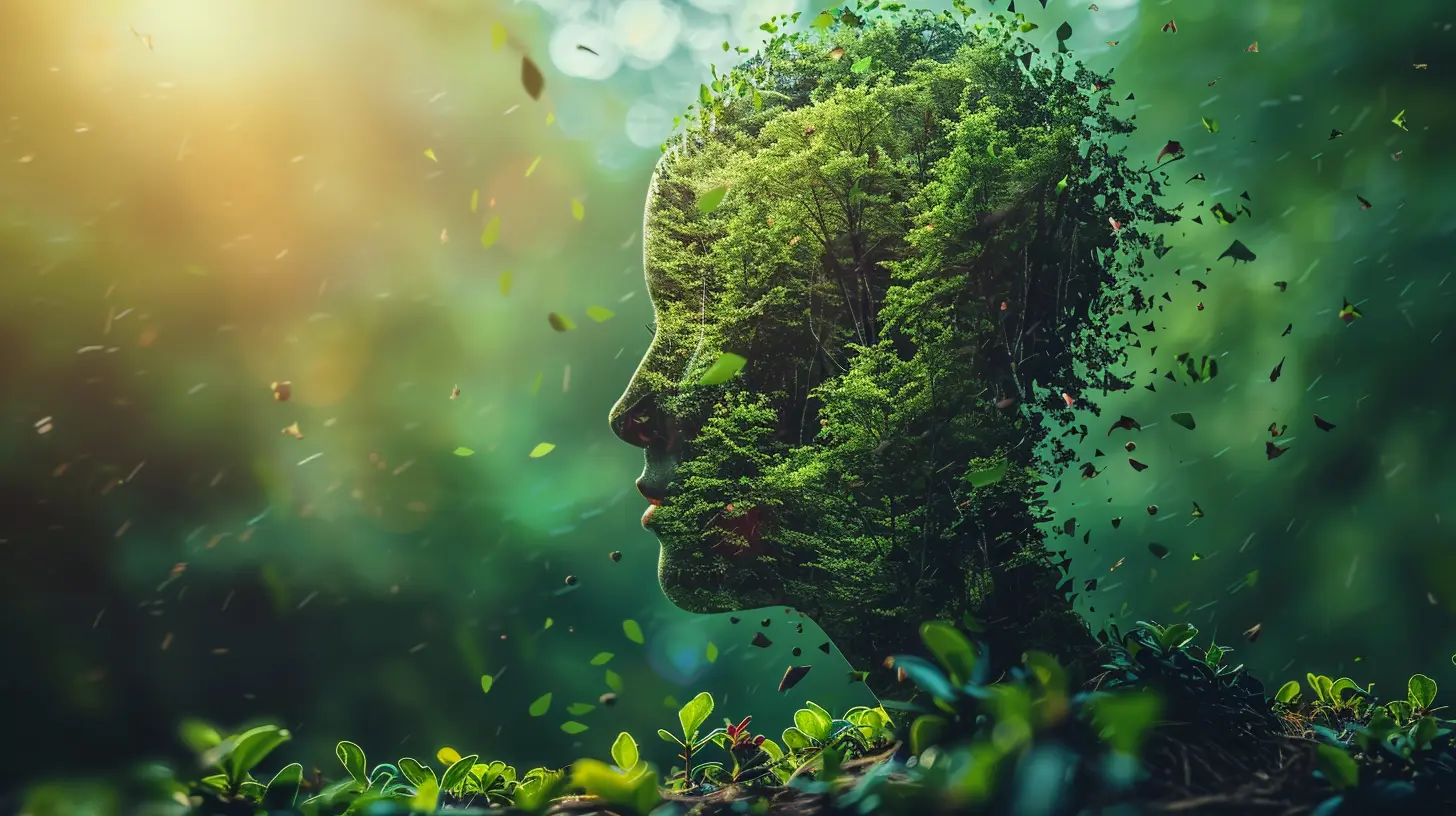
The Best Ways to Incorporate Nature into Your Life
Now that we know how powerful nature is for mental clarity and cognitive function, how can we make it part of our daily routine? Here are a few simple and effective ways:1. Take Daily Walks
Even a quick 15-minute walk in a park or green space can boost mental clarity. If you’re stuck in an urban environment, seek out tree-lined streets or rooftop gardens.2. Work Near a Window
If you can’t get outside often, position your workspace near a window with a view of trees or greenery. Natural light and views of nature can enhance focus and reduce stress.3. Bring Nature Indoors
Houseplants, nature sounds, or even nature-themed artwork can have a surprisingly positive effect on your mood and mental clarity.4. Practice Mindful Outdoor Activities
Try activities like yoga, meditation, or journaling outside. Being fully present in nature amplifies its mental benefits.5. Plan Nature Getaways
If possible, take short trips to forests, mountains, lakes, or beaches. Even occasional exposure to natural settings can reset your mind and improve cognitive function.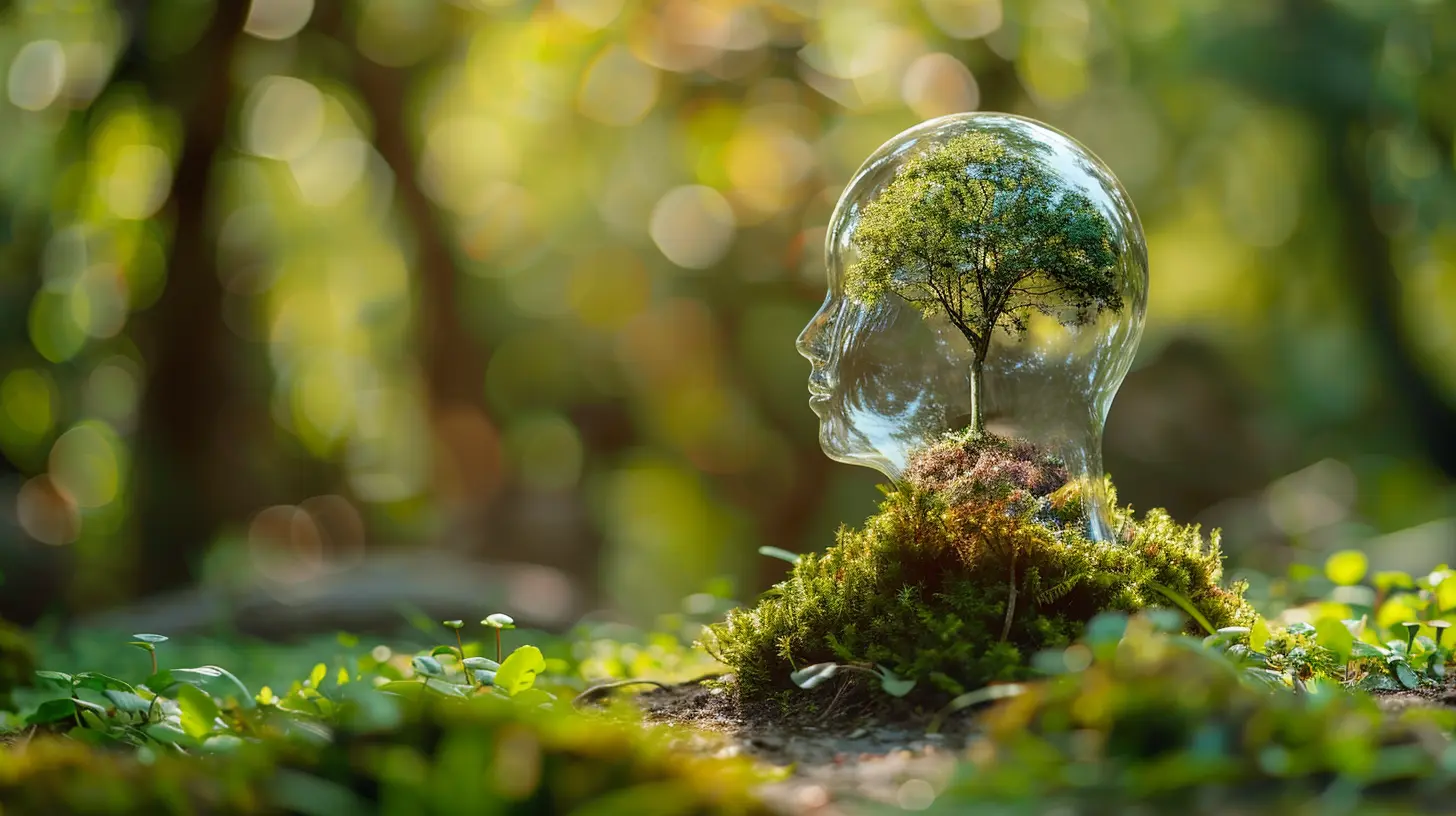
Conclusion
Nature isn’t just a pretty backdrop—it’s a powerful tool for mental clarity and cognitive function. Whether you’re looking to improve focus, reduce stress, boost creativity, or simply clear your mind, spending time outdoors is one of the best things you can do.So, the next time you’re feeling overwhelmed or stuck in a mental fog, step outside. Your brain will thank you.
all images in this post were generated using AI tools
Category:
Mental ClarityAuthor:

Ember Forbes
Discussion
rate this article
2 comments
Carmel Barrett
Nature whispers secrets to the mind's clarity.
February 17, 2026 at 3:38 PM
Ember Forbes
Thank you for your thoughtful comment! Nature indeed has a profound ability to enhance our mental clarity and cognitive function, serving as a gentle guide for our thoughts.
Reese Harmon
This article effectively highlights the positive effects of nature on mental clarity and cognitive function. By integrating research and personal anecdotes, it provides a balanced view of how natural environments can enhance well-being, fostering a deeper understanding of nature's role in mental health.
February 5, 2026 at 6:03 AM
Ember Forbes
Thank you for your thoughtful feedback! I'm glad you found the balance of research and anecdotes effective in illustrating nature's positive impact on mental health.