Beyond PTSD: Exploring Different Types of Trauma Disorders
13 June 2026
When people hear the word "trauma," they often think of PTSD (Post-Traumatic Stress Disorder). While PTSD is one of the most well-known trauma-related disorders, it’s not the only one. Trauma comes in many different forms, affecting people in different ways, and not everyone experiences it in the same way.
Some people develop symptoms that don’t quite fit the criteria for PTSD but still disrupt their daily lives. Others might face trauma-related disorders that stem from childhood experiences, repeated exposure to distressing events, or even emotional neglect.
So, what are these lesser-known trauma disorders? And how do they manifest in people’s lives? Let’s dive deeper into the world beyond PTSD and uncover the complexities of different trauma disorders.
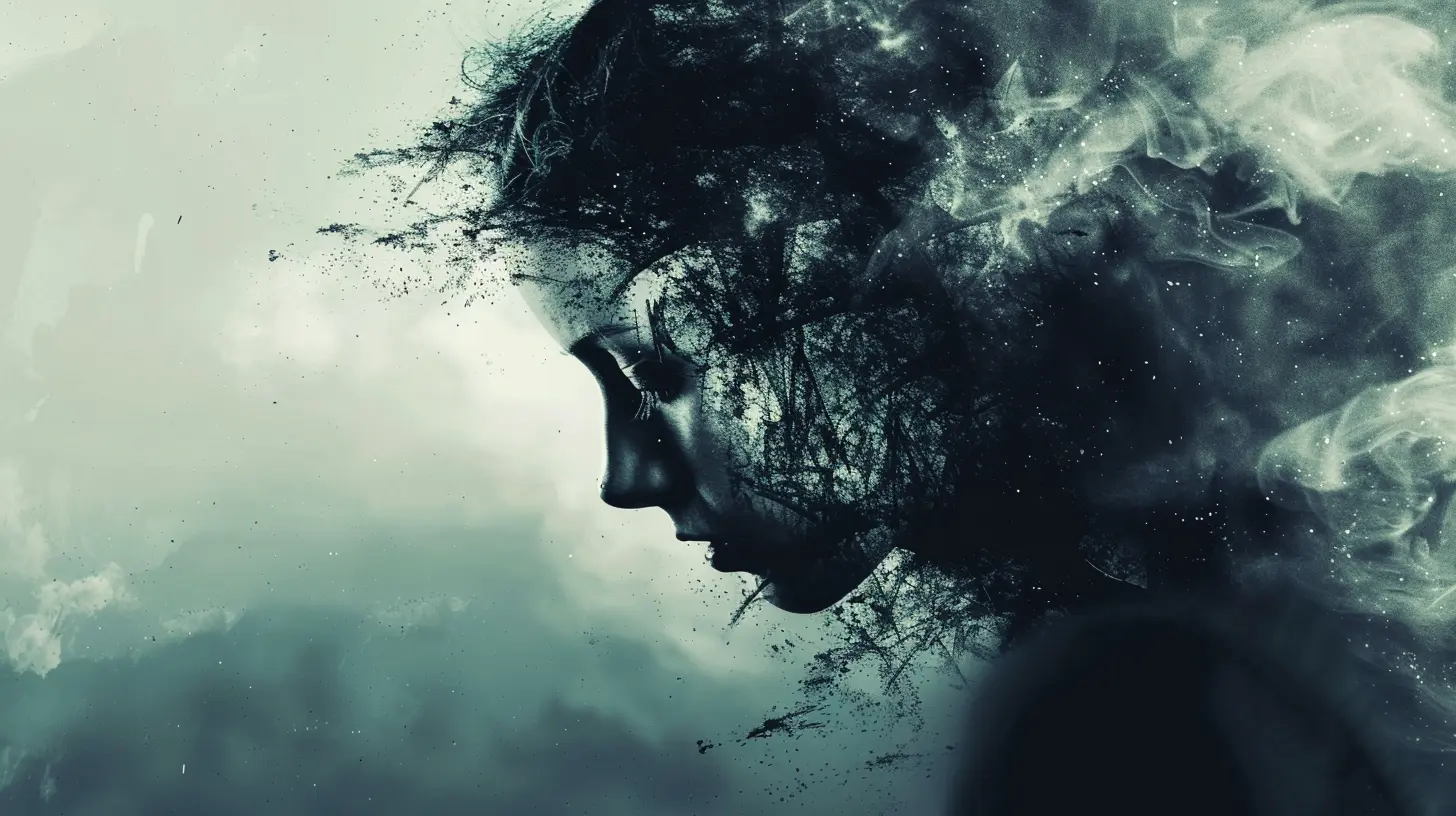
Understanding Trauma and Its Impact
Trauma isn’t just about experiencing a single shocking event. It can be long-term, cumulative, and deeply ingrained in a person’s psyche. Some traumas are obvious, like war, car accidents, or violent assaults. Others, like emotional abuse or neglect, may not leave physical scars but can be just as damaging.Trauma rewires the brain. It alters the way people perceive danger, process emotions, and even connect with others. This is why trauma disorders vary so widely—our minds have different ways of coping with distressing experiences.

Types of Trauma Disorders
1. Complex PTSD (C-PTSD)
While PTSD is typically linked to a single traumatic event, Complex PTSD (C-PTSD) develops due to prolonged exposure to trauma. This often includes childhood abuse, domestic violence, or living in war-torn regions.Symptoms of C-PTSD include:
- Persistent feelings of worthlessness or guilt
- Difficulty with emotional regulation
- Distorted self-perception (feeling permanently damaged)
- Chronic distrust or fear of relationships
- Dissociation or detachment from reality
C-PTSD is sometimes mistaken for borderline personality disorder (BPD), as both involve emotional instability. However, C-PTSD is deeply rooted in trauma, while BPD may have various causes beyond trauma.
2. Acute Stress Disorder (ASD)
Acute Stress Disorder is often considered the "short-term" version of PTSD. It shows up in people who experience intense trauma, but their symptoms last for less than a month.Common symptoms include:
- Intrusive thoughts and flashbacks
- Avoidance of trauma-related stimuli
- Hypervigilance and severe anxiety
- Emotional numbness
The main difference between ASD and PTSD is the duration—if symptoms persist beyond a month, it may be diagnosed as PTSD. Not everyone who experiences ASD will develop PTSD, but early intervention can help prevent long-term distress.
3. Dissociative Disorders (Including DID)
Dissociation is a mental escape mechanism—the brain's way of coping when reality becomes too painful. While dissociative symptoms can occur in PTSD and C-PTSD, some people develop Dissociative Disorders, including:Dissociative Identity Disorder (DID)
Formerly known as multiple personality disorder, DID is linked to severe, chronic trauma, often during early childhood. People with DID may experience:- Two or more distinct identity states
- Memory gaps due to dissociative amnesia
- A sense of detachment from their own body or actions
DID is often misunderstood and sensationalized in media, leading to many misconceptions. However, it is a severe but very real trauma-related disorder.
4. Reactive Attachment Disorder (RAD)
Not all trauma happens in adulthood. Early childhood neglect or abuse can lead to Reactive Attachment Disorder (RAD), a condition where children struggle to form healthy emotional bonds. It often occurs in children raised without consistent caregiving, such as in orphanages or unstable home environments.Signs of RAD include:
- Extreme difficulty trusting others
- Lack of comfort-seeking behavior
- Difficulty expressing emotions appropriately
- Withdrawal from social interactions
Without intervention, RAD can persist into adulthood, making relationships and emotional regulation challenging.
5. Adjustment Disorders
Not all trauma-related distress qualifies as PTSD. Sometimes, people struggle to cope with life changes such as divorce, job loss, or the death of a loved one. This is where Adjustment Disorders come in.Common symptoms of adjustment disorders include:
- Depressed mood and hopelessness
- Increased anxiety and stress
- Social withdrawal and isolation
- Difficulty functioning in daily life
While some people bounce back from difficult events, those with adjustment disorders find it harder to move forward. Therapy and support can help these individuals process their emotions in a healthy way.
6. Prolonged Grief Disorder (PGD)
Grief is a normal response to loss, but for some, it becomes overwhelming and never seems to fade. Prolonged Grief Disorder (PGD) affects those who struggle with the death of a loved one for an extended period, often over a year.Signs of PGD include:
- Intense, persistent longing for the deceased
- Difficulty accepting the loss
- Social withdrawal and emotional numbness
- Loss of purpose and meaning in life
While grief is expected, prolonged grief can interfere with daily life, requiring professional help to navigate and heal.

Why Trauma Disorders Are Often Misdiagnosed
One of the biggest challenges in recognizing trauma disorders is their overlap with other mental health conditions. Many trauma disorders share symptoms with:- Anxiety disorders
- Depression
- Personality disorders
- Mood disorders
A person with C-PTSD, for example, may be mistakenly diagnosed with depression or BPD because of their emotional struggles. Since trauma disorders aren't always widely understood, individuals often go untreated or misdiagnosed, prolonging their suffering.

Healing from Trauma Disorders
Recovering from trauma isn’t about "just getting over it." Trauma rewires the brain, creating automatic responses that aren’t easy to switch off. However, healing is possible with the right support.Effective Treatments for Trauma Disorders
- Therapy: Cognitive Behavioral Therapy (CBT), Eye Movement Desensitization and Reprocessing (EMDR), and Trauma-Focused Therapy are highly effective.- Medication: Antidepressants and anti-anxiety medications can help manage symptoms.
- Support Groups: Connecting with others who’ve had similar experiences can be incredibly healing.
- Self-Care & Mindfulness: Meditation, journaling, and exercise can help regulate emotions.
The key is understanding that recovery is a journey, not a destination. Healing takes time, patience, and—most importantly—self-compassion.
Final Thoughts
Trauma disorders go beyond PTSD. They come in different forms, affecting people in unique ways. Some individuals may struggle with childhood trauma, others with prolonged grief, and some with dissociation. Regardless of the type, trauma has a lasting impact, but it doesn’t have to define a person’s life forever.If you or someone you know is struggling with trauma, seeking help is the first step toward healing. With therapy, support, and self-care, reclaiming control over life after trauma is absolutely possible.
all images in this post were generated using AI tools
Category:
Psychological TraumaAuthor:

Ember Forbes
Discussion
rate this article
1 comments
Merida McQuaid
Understanding trauma's depth is crucial for healing.
July 1, 2026 at 2:39 AM
Ember Forbes
I completely agree. A deeper understanding of trauma can lead to more effective healing pathways.