Why Pathological Demand Avoidance Isn’t Permanent
June 27, 2026 - 23:54
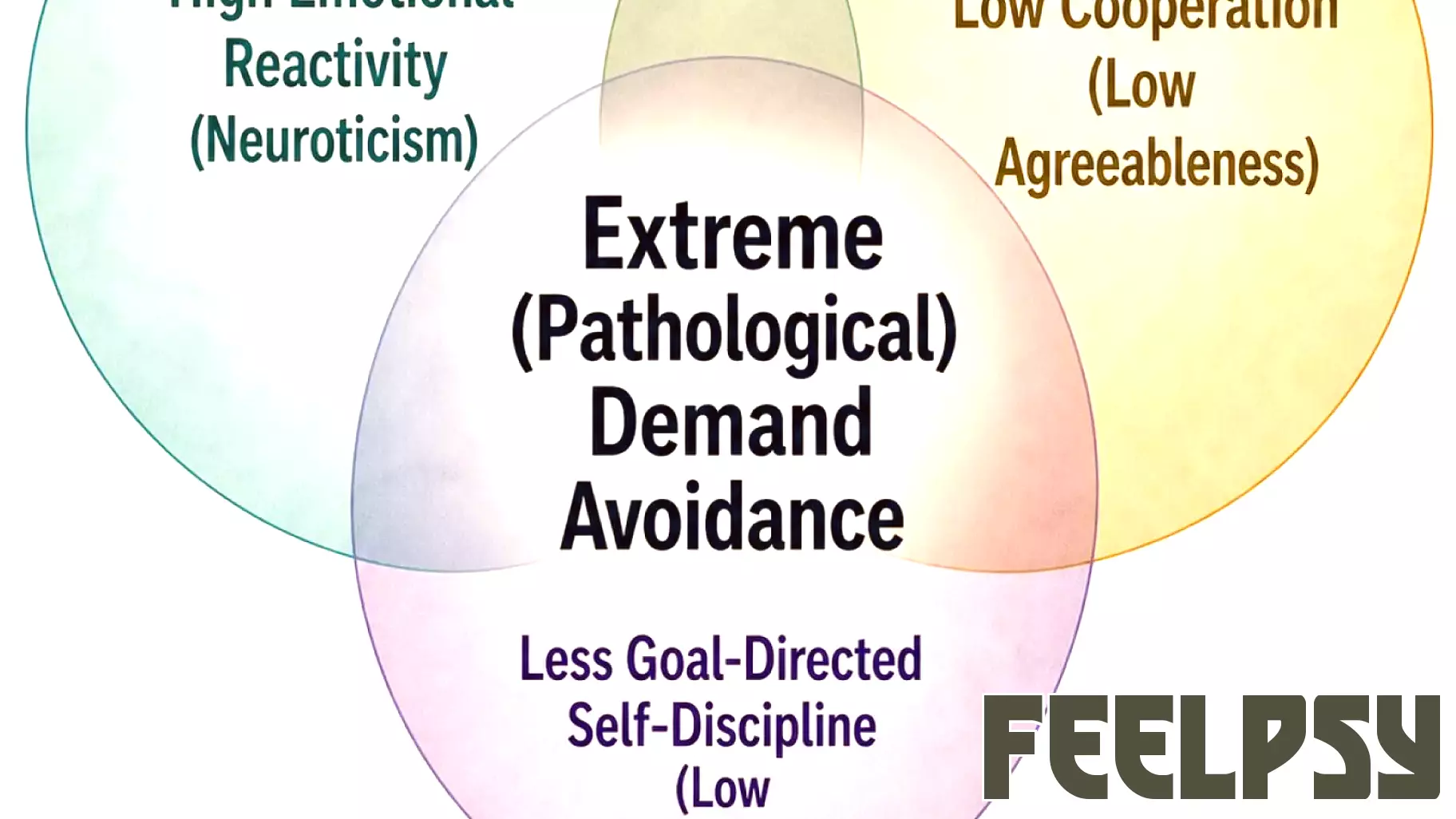
For years, parents of children with Pathological Demand Avoidance, or PDA, have heard that the condition is a lifelong sentence of extreme avoidance and anxiety. But new clinical insights suggest that is not the full story. While PDA is a complex profile on the autism spectrum, characterized by an overwhelming need to resist everyday demands, research and therapy outcomes now show that these patterns are not fixed. With the right support, children can learn to tolerate more requests and build flexibility.
The key lies in understanding that PDA is driven by high anxiety, not defiance. When a child feels safe and in control, their fight-or-flight response to demands can gradually soften. Therapies like low-demand parenting, collaborative problem-solving, and sensory regulation work by reducing the perceived threat of a request. Over time, the brain rewires its response. A child who once melted down at the word "brush your teeth" may eventually accept a gentle reminder.
Families play a central role in this shift. By lowering pressure, offering choices, and using humor, parents can create an environment where demands feel less like attacks. Professionals also stress that progress is slow and nonlinear. Some days are hard, but the overall trajectory can be upward. The takeaway is hopeful: PDA does not have to define a child's future. With patience and the right treatment, the patterns can be reshaped, not erased, but significantly improved.
MORE NEWS

November 10, 2026 - 04:55
The Potential Fallout of Trump's Midterm Losses`Hell hath no fury like a malignant narcissist scorned.` This saying captures the growing concern among psychologists and political analysts regarding former President Donald Trump`s reaction to...

November 9, 2026 - 03:10
Resilience in Those Born in the 1960s and 1970s Linked to SolitudePeople born in the 1960s and 1970s often display a unique toughness that sets them apart from younger generations. Psychologists suggest that this resilience stems not from superior parenting...

November 8, 2026 - 06:42
The Dark Side of Online Shaming: A Psychological PerspectiveSchadenfreude, a psychological concept, is the pleasure or satisfaction someone experiences when witnessing another person`s misfortune. In the digital age, most of us are chronically online, and...

November 7, 2026 - 21:15
The Emotional Impact of Completing a Beloved Series or BookYou finish the last episode of a series you have followed for months. The final scene ends, the credits roll, and you know there is no next episode waiting. This moment can leave you with a sense...