We treat happiness as one thing, a good mood to maximise, but psychologists find it splits in two: the pleasant feeling of getting what you want, and the deeper sense that your life means something, and it is the second that lasts once the pleasure fades
August 4, 2026 - 19:50

We tend to talk about happiness as if it were a single, simple goal: a good mood to chase and hold onto. But psychologists are increasingly drawing a sharp line between two very different experiences that we lump together under that one word. On one side is the pleasant feeling of getting what you want-the warmth of a good meal, the thrill of a promotion, the comfort of a lazy afternoon. On the other side is something quieter and more durable: the sense that your life matters, that your days add up to something beyond the moment.
The first kind of happiness is easy to recognize. It spikes when you achieve a goal or satisfy a craving. It feels great, but it also fades quickly. That is by design. The brain rewards you with a burst of pleasure to encourage you to repeat the behavior, then resets for the next target. The second kind of happiness does not spike. It builds slowly, often through struggle, responsibility, and connection. It comes from raising a child, finishing a difficult project, or standing by a friend in a crisis. You might not feel giddy in those moments. You might feel tired, stretched, even frustrated. But when you look back, you recognize that those experiences gave your life weight.
The problem is that we often confuse the two. We optimize for the first, filling our days with small pleasures and quick wins, while neglecting the second. Then we wonder why, despite constant comfort, we feel hollow. The research suggests that meaning is not a bonus feature. It is the part that lasts after the excitement wears off. A life built only on good moods is fragile. A life built on meaning holds up even when the mood dips. So the next time you chase happiness, ask yourself which kind you are actually after. The answer changes everything.
MORE NEWS

November 3, 2026 - 04:26
Larissa Portnoff: Psychologist's Background and Her Allegations Against Donald TrumpLarissa Portnoff, a clinical psychologist, has drawn public attention after claiming she was one of the child victims of Donald Trump. The allegation, which she has repeated in public statements,...
November 2, 2026 - 02:22
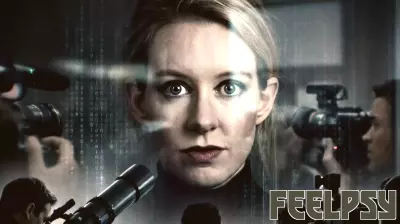
How Elizabeth Holmes and Her Circle Lost Sight of RealityThe story of Elizabeth Holmes has been told many times, but a key question remains: how did so many smart people fail to see what was happening? An expert examines how rationalization,...

November 1, 2026 - 15:08
Building Psychological Support That Reaches People Before Crisis HitsMariia Mykhailichenko`s clients are often people in the middle of a big change. A first-year student in a dorm full of strangers. A graduate starting a first job in an unfamiliar city. A family...

October 31, 2026 - 23:53
Why Some People Are Drawn to Horror MoviesNew research reveals a surprising link between psychopathic traits and a love for horror movies, driven by feelings of invincibility and a craving for excitement. The study suggests that people...