Unveiling the Psychology Behind Spending: Insights from Morgan Housel
October 12, 2025 - 18:17
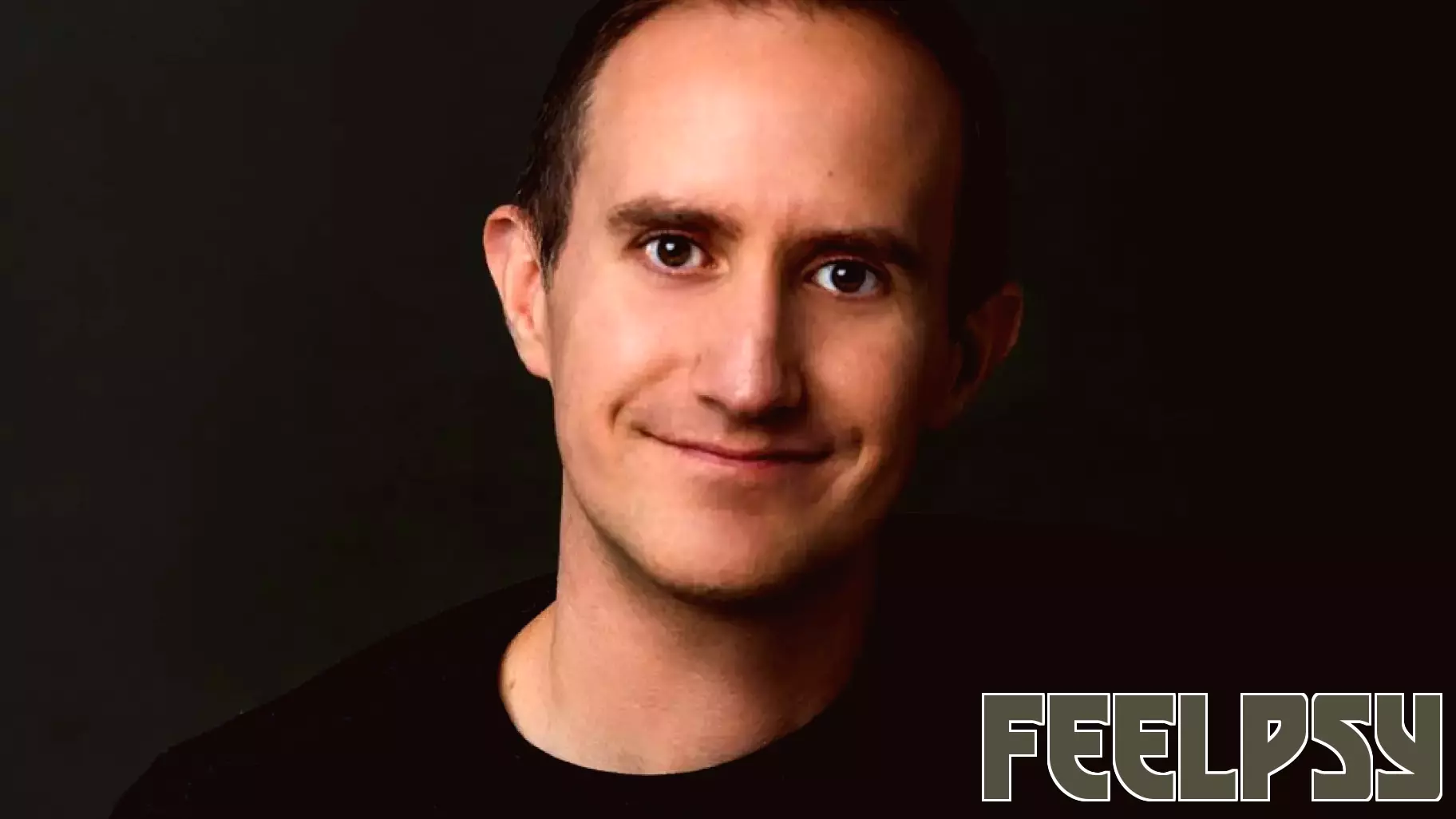
The behavioral finance expert known for his bestseller The Psychology of Money shares intriguing insights on how individuals perceive success and wealth. Morgan Housel, much like investment mogul Warren Buffett, employs a unique method to gauge success—what he calls a “reverse obituary.” This unconventional approach encourages individuals to consider how they would like to be remembered after their passing, prompting them to reflect on their values and priorities.
Housel emphasizes that this perspective can significantly influence financial decisions and overall life satisfaction. By contemplating the legacy one wishes to leave, people can align their spending habits with their long-term goals and aspirations. This mindset fosters a deeper understanding of what truly matters, leading to more intentional financial behaviors.
As society grapples with consumerism and the pressures of wealth accumulation, Housel’s insights serve as a reminder to prioritize meaningful experiences and relationships over material possessions. Ultimately, his work encourages a shift in focus from mere financial success to a more holistic view of fulfillment and legacy.
MORE NEWS

October 16, 2026 - 14:00
The Psychology Behind Why Effort Feels Worth ItWhy does effort feel worth it to some people and too costly to others? A UNSW-led research project is investigating what motivates us to persist, and the answers could reshape how we think about...

October 15, 2026 - 18:58
Who is Megyn Kelly, really? The confusing psychology of a woman at war with womenMegyn Kelly has built a reputation on saying one thing and then doing another, often within the same news cycle. This week offered another example. She went after Karoline Leavitt, the new White...

October 15, 2026 - 01:21
Ghosting Isn't Always Guilt-Free for the One Who Walks AwayBeing ghosted hurts. The silence, the unanswered messages, the sudden disappearance of someone who once seemed invested. It is easy to assume the person on the other side feels nothing at all. But...

October 14, 2026 - 04:32
Former OpenAI Safety Lead Warns of Reckless Race After DepartureA former safety leader at OpenAI has gone public with sharp criticism of the artificial intelligence industry, describing a culture where financial pressure and fear push companies to release...