Trust in Science Didn't Collapse. It Fractured.
May 30, 2026 - 19:09
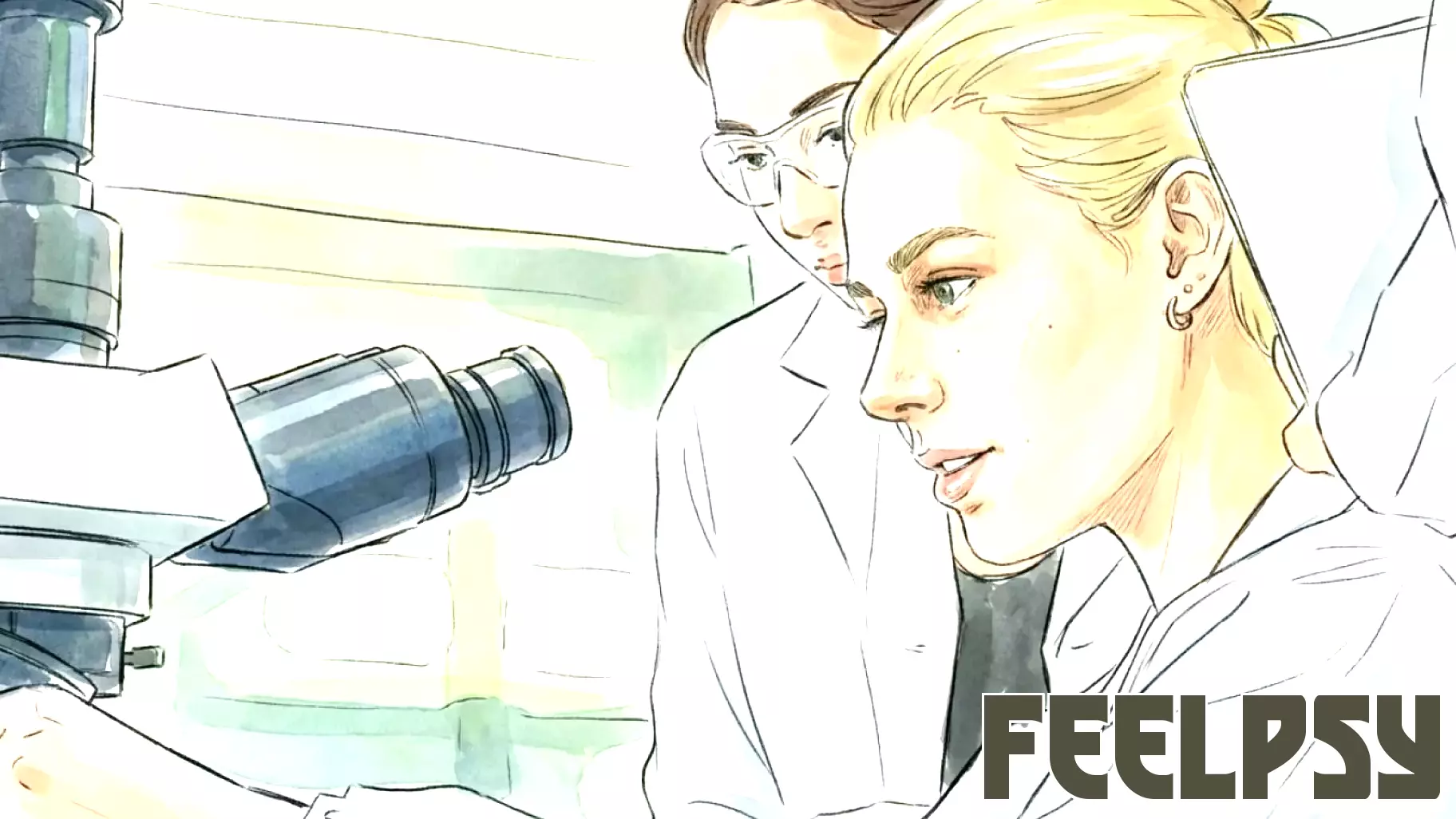
If trust in science remains high, why does health information feel harder to navigate than ever? Recent surveys show that most Americans still express confidence in scientists and medical researchers. Yet the same data reveals a deepening divide: trust has not vanished, but it has splintered along lines of politics, media consumption, and personal experience.
The fracture is visible in how people process conflicting guidance. During the pandemic, public health officials issued evolving recommendations on masks, vaccines, and treatments. For many, this looked like incompetence or deception. For scientists, it was the normal process of updating knowledge as evidence changed. The gap between these two interpretations widened as partisan outlets amplified the most alarming angles.
Meanwhile, social media algorithms reward extreme claims over cautious nuance. A virologist saying "we are still learning" gets fewer clicks than a pundit declaring "they lied to you." Over time, this creates a feedback loop where skepticism hardens into cynicism.
But the picture is not uniformly bleak. Trust in local doctors and nurses remains strong. People still take their children for vaccinations and follow treatment plans for chronic conditions. The fracture is not between the public and science as a whole, but between the public and the institutions that communicate science. Repairing that will require more than better data. It will require acknowledging that trust, once cracked, does not heal on its own.
MORE NEWS

November 27, 2026 - 13:11
Psychology says parents who encourage their children to read books instead of spending hours on screens may be nurturing independent thinkers; how books on your child's shelf may matter more than the screens in their handThink back to a quiet evening from your own childhood. Maybe you were curled up with a book, lost in a story, with no one telling you what to feel or what happens next. That kind of moment is hard...

November 26, 2026 - 19:01
Happiness appears to lead to a sense of purpose, but not the other way around, according to new psychology researchPeople often assume that finding a mission in life leads to greater happiness, but new research suggests the opposite sequence might be more accurate. Feeling good may provide the emotional...
November 25, 2026 - 20:42
School Psychologist Faces Charges for Alleged Grooming and Attempted Rape of StudentA psychologist employed by Boston Public Schools has been arrested and charged in connection with the alleged grooming and attempted rape of a teenage student, according to...

November 25, 2026 - 08:42
The Art of Saree Draping Reflects Personality and MoodWearing a saree is not just about fashion; it embodies a rich tradition and an expression of individuality. Many women find that experimenting with various saree draping styles allows them to...