The Unseen Weight of Columbine: When Survivors Become Teachers
June 27, 2026 - 02:45
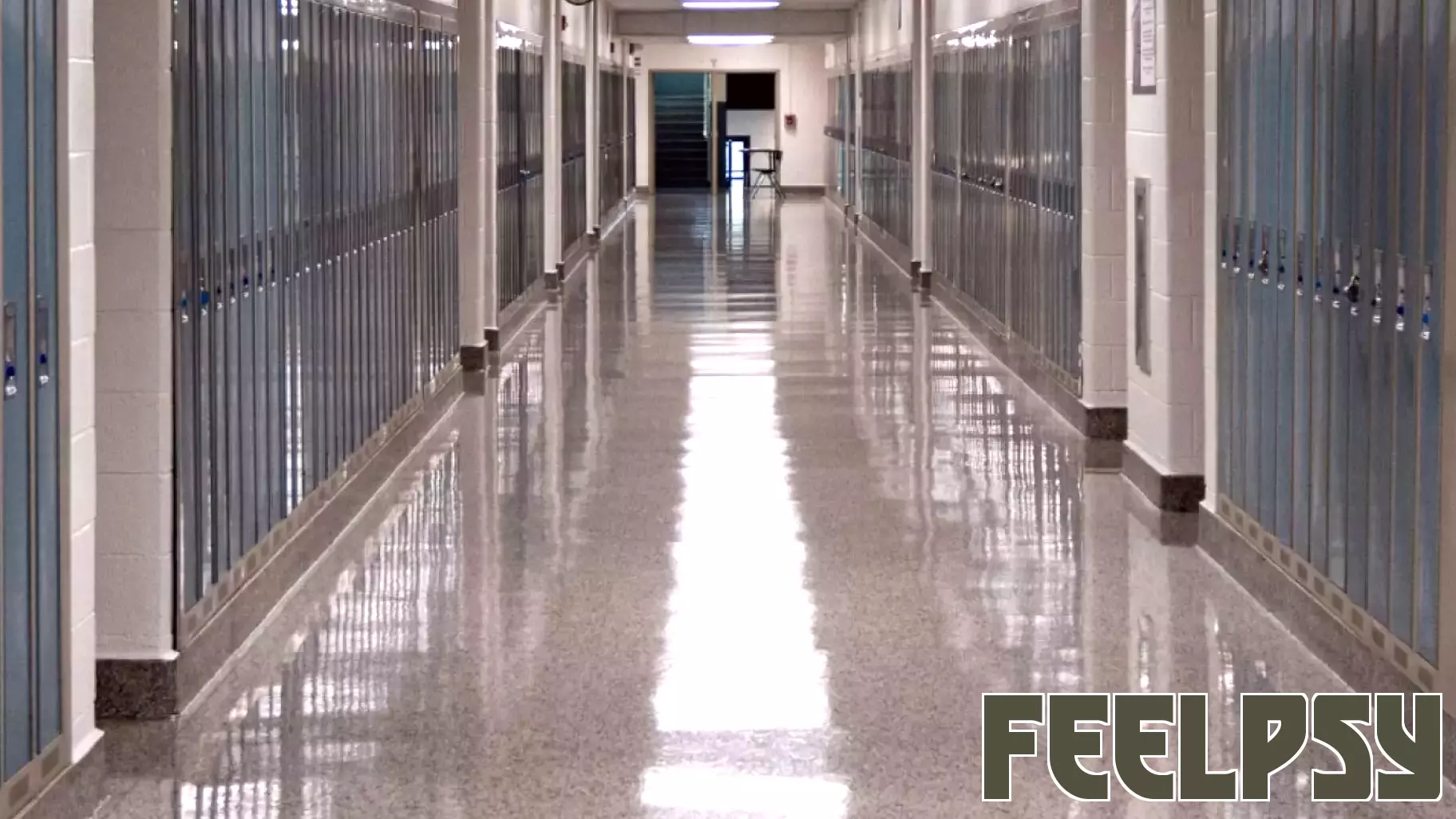
Twenty-five years after the Columbine shooting, a new generation of educators is grappling with a trauma that refuses to stay buried. These are not just teachers who studied the tragedy in a textbook. They are survivors who lived through the attack as students and later chose to return to the classroom as adults. For them, the school hallway carries a double meaning: a place of learning and a site of memory.
The burden these survivor-teachers carry is largely invisible. They are expected to manage active shooter drills, lockdown procedures, and the constant anxiety of students without revealing their own scars. Many report feeling like human shields. School districts often treat them as frontline responders rather than educators, placing the weight of safety protocols on their shoulders. The message is clear: be vigilant, be ready, and do not show fear.
But treating teachers as shields fails everyone. It burns out the very people who understand school violence most intimately. It also ignores the systemic changes needed for real safety. True security does not come from hardening buildings or arming staff. It comes from investing in mental health support, reducing class sizes so teachers can actually know their students, and creating a culture where warning signs are taken seriously.
Survivor-teachers are not asking for pity. They are asking for a system that values their lives and their students' lives beyond the drill. Until schools address the root causes of violence and the long-term trauma of those who lived through it, the hidden burden will only grow heavier.
MORE NEWS

September 25, 2026 - 10:33
How King Chan plans to mainstream mental-health solutions in highly stressed Hong KongKing Chan, a postgraduate student in clinical psychology, is working to make mental health support more accessible across Hong Kong. He is one of five recipients of the AIA Scholarships initiative,...
September 24, 2026 - 17:37
Local psychologists say social media, AI effects are showing up among Norfolk studentsEducators and mental health professionals in Norfolk report a growing concern about how social media, smartphones and artificial intelligence are affecting students. During a Wednesday discussion,...

September 24, 2026 - 02:53
What Helps Employees Succeed After an Internal MoveA new study examines what helps employees succeed after an internal move. I translate one finding into practical ideas for strengthening the transition. Internal mobility is often treated as a...

September 23, 2026 - 04:02
Why the Fed Needs to Manage Expectations as Much as Interest RatesIf the Federal Reserve really wants to control inflation, it first needs to control people`s expectations. Central bankers can adjust interest rates and tweak balance sheets, but those tools only...