The Truth Behind the Infamous 'Baby Albert' Experiment
March 6, 2025 - 22:01
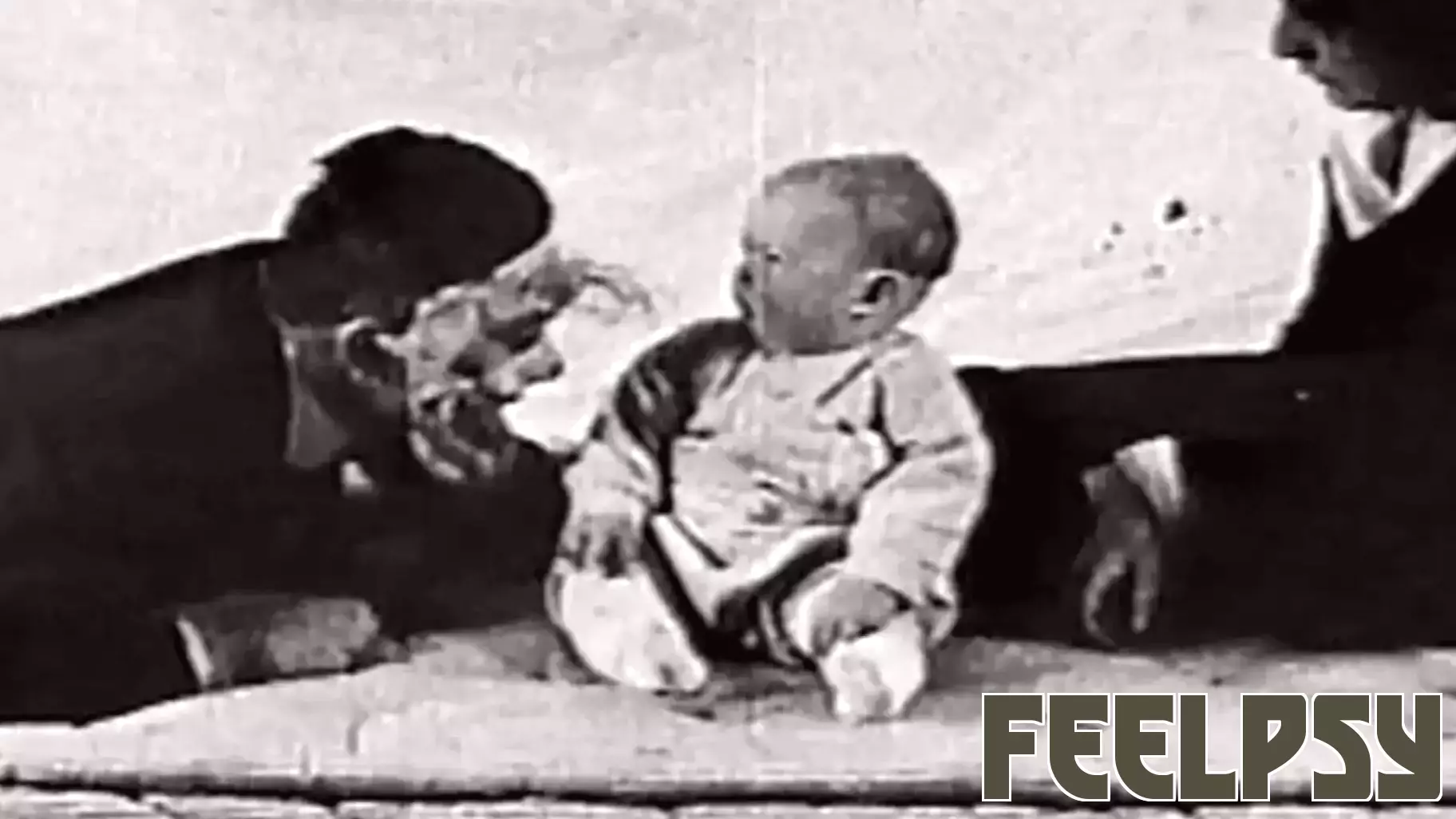
What really happened to 'baby Albert' has long been theorized about, and recent discussions have brought renewed attention to one of the most controversial psychological experiments in history. Conducted in the early 20th century by psychologist John B. Watson and his assistant Rosalie Rayner, the experiment aimed to explore the principles of classical conditioning.
In a series of tests, the researchers exposed a nine-month-old infant, known as Albert, to various stimuli, including a white rat. Initially, Albert displayed no fear of the rat. However, Watson and Rayner paired the presence of the rat with loud, frightening sounds, causing the baby to develop a fear of the rat over time. This experiment raised significant ethical concerns, as it involved conditioning fear in an infant without any consideration for the psychological impact on the child.
The outcome of the experiment has sparked ongoing debates about the ethics of psychological research, particularly when it involves vulnerable populations such as infants. Many argue that the experiment's design was not only unethical but also harmful, leaving lasting implications for the field of psychology and the treatment of research subjects. As discussions continue, the legacy of 'baby Albert' serves as a cautionary tale about the responsibilities of researchers and the importance of ethical standards in psychological studies.
MORE NEWS

October 5, 2026 - 09:48
Study Links Unequal Parenting to Internet Addiction in Chinese TeensA new study has found that adolescents who believe their parents treat them differently from their siblings may face a higher risk of internet addiction. The research, conducted among Chinese...

October 4, 2026 - 19:25
What Yoga Can Teach Us About Listening to OurselvesMany people step onto a yoga mat expecting a workout. They find something else instead. Between the postures and the breath, a quieter experience often appears. Practitioners describe it as a...

October 4, 2026 - 06:15
Psychology says people who let these 6 things go unanswered tend to be calmer than the people who respond to everythingStaying calm in a noisy world often looks like doing nothing. Psychology suggests it is actually a skill. People who remain steady under pressure tend to share one habit: they choose not to answer...

October 3, 2026 - 17:54
How a New Film Shows the Legal System Failing Trauma SurvivorsA new film starring Cynthia Erivo offers a sharp look at the way sexual assault cases move through the courts, and at the painful gap between what trauma actually does to a person and what the law...