The Role of Memory in Combating Fake News
March 25, 2025 - 20:49
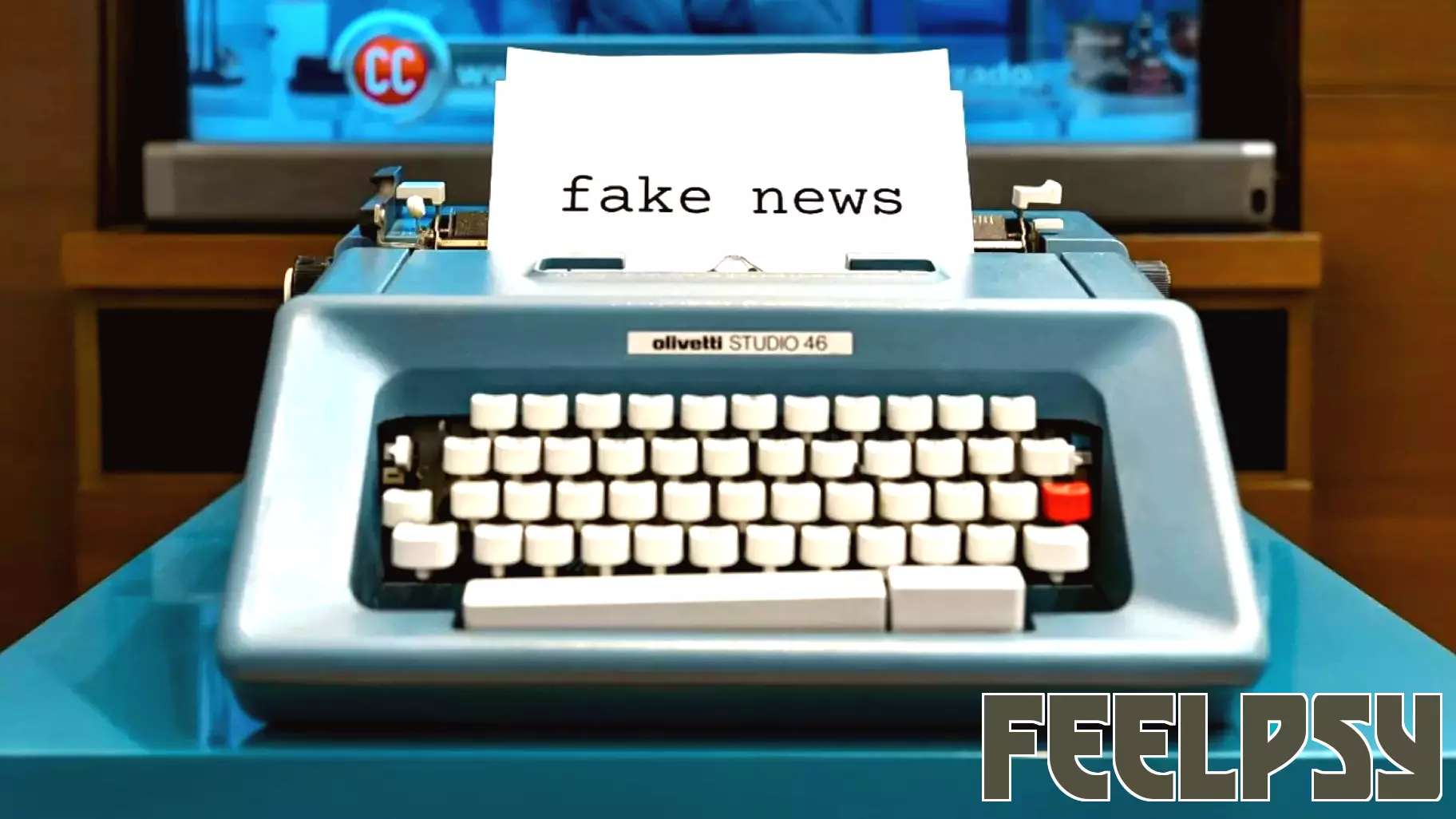
Fake news and political propaganda have long been part of the media landscape, but their prevalence has reached alarming levels in recent years. As misinformation spreads rapidly through social media and other platforms, understanding how to effectively challenge and change the beliefs of individuals who may be more committed to myths than to factual information has become increasingly important. Recent research highlights the significant role that memory plays in this process.
Studies suggest that an individual's memory can heavily influence their susceptibility to fake news. When people encounter information that aligns with their pre-existing beliefs, they are more likely to remember it and accept it as truth, regardless of its factual basis. This cognitive bias complicates efforts to correct misinformation.
To effectively combat the spread of fake news, strategies that focus on enhancing critical thinking and memory recall may be essential. Encouraging individuals to question their sources and reflect on their memories could help create a more informed public capable of resisting the allure of false narratives.
MORE NEWS

October 17, 2026 - 01:07
Study Finds Sensitivity Trait May Not Intensify All ExperiencesEnvironmental sensitivity may be a misleading name for a personality trait that appears to have less to do with how people respond to their physical environments and more to do with how they are...

October 16, 2026 - 14:00
The Psychology Behind Why Effort Feels Worth ItWhy does effort feel worth it to some people and too costly to others? A UNSW-led research project is investigating what motivates us to persist, and the answers could reshape how we think about...

October 15, 2026 - 18:58
Who is Megyn Kelly, really? The confusing psychology of a woman at war with womenMegyn Kelly has built a reputation on saying one thing and then doing another, often within the same news cycle. This week offered another example. She went after Karoline Leavitt, the new White...
October 15, 2026 - 01:21
Ghosting Isn't Always Guilt-Free for the One Who Walks AwayBeing ghosted hurts. The silence, the unanswered messages, the sudden disappearance of someone who once seemed invested. It is easy to assume the person on the other side feels nothing at all. But...