The Psychology of Aerial Bombardment
March 10, 2026 - 01:20
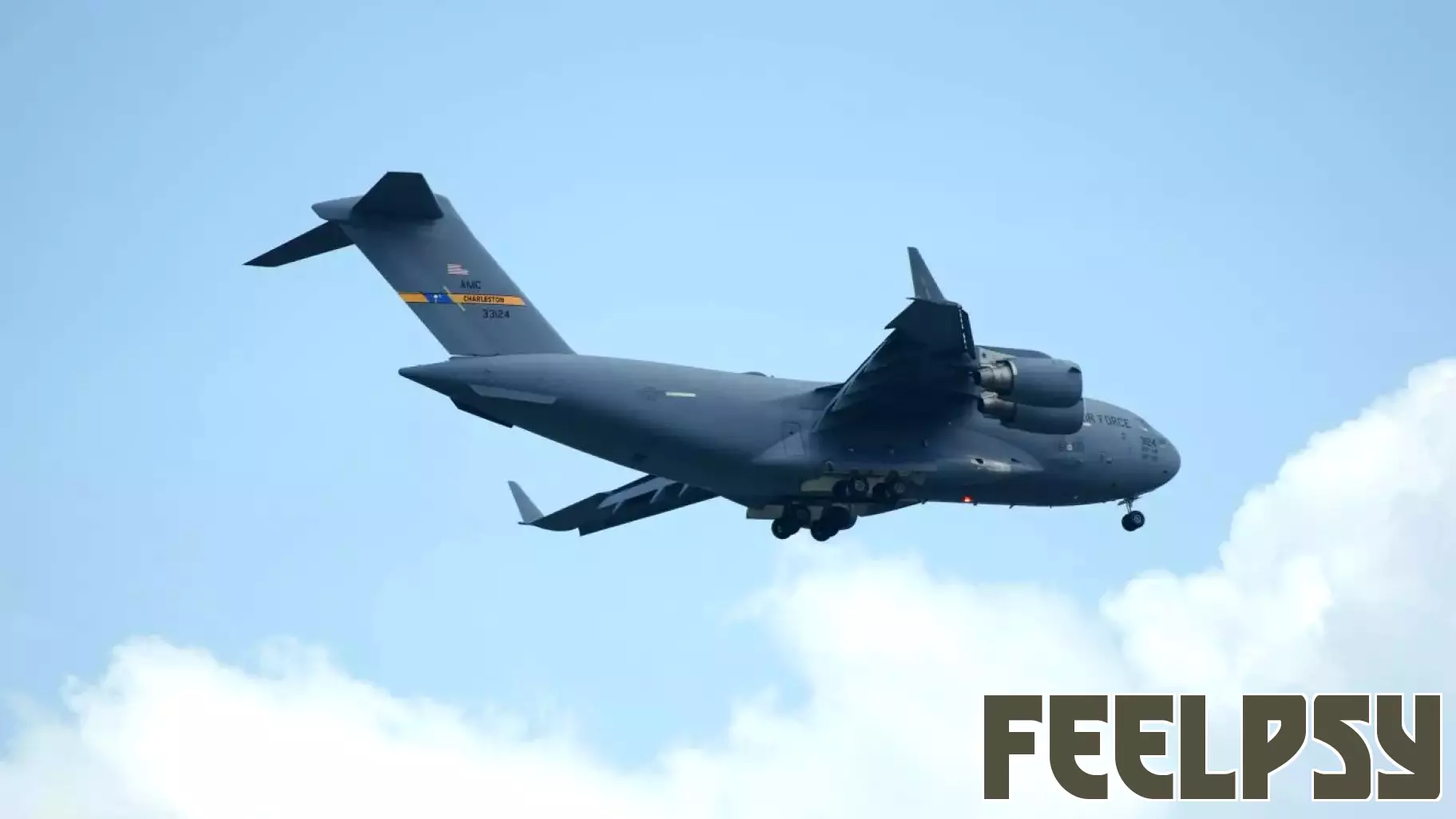
A recent investigation into the tactical use of air power in conflict zones has yielded a counterintuitive finding. The study, focusing on the U.S. Air Force campaign in Afghanistan, concludes that aerial bombardment often served to increase subsequent attacks by Taliban insurgents rather than suppress their activity.
The analysis suggests that the psychological and social impact of air strikes frequently undermines their military utility. Rather than crippling insurgent morale, the bombardment can galvanize local populations through grievances caused by collateral damage and civilian casualties. This dynamic fuels resentment and provides insurgent groups with a powerful recruitment tool, effectively converting military action into a strategic liability.
Researchers indicate that each strike created a localized spike in insurgent violence in the following weeks. This pattern points to a complex battlefield psychology where overwhelming force can inadvertently strengthen an insurgency's resolve and its ties to the community. The findings challenge long-held assumptions about the coercive power of air campaigns in asymmetric warfare, suggesting that such tactics may prolong conflict by exacerbating the very conditions that allow insurgent movements to thrive. The study underscores the critical need to weigh immediate tactical gains against longer-term strategic consequences in conflict planning.
MORE NEWS

October 21, 2026 - 03:50
Moral Criticism Online Rarely Shifts Meat Habits, Study FindsNew research suggests that calling people out online for eating meat may do little to change their behavior and can even harden their views. The study examined how people respond when strangers...

October 20, 2026 - 15:07
The Quiet Meaning Behind Choosing the Far Parking SpotThat small, unremarkable choice is telling you more about them than they`d ever volunteer. Watch any busy parking lot and you will see the same scene play out. A driver spots an open space near...

October 19, 2026 - 23:00
Horror Fandom and Resilience in Lebanon: When Real Danger Undermines Fiction's Protective RoleWhen danger is real and constant, fictional frights may lose their protective edge. Among Lebanese students facing war and economic crisis, horror fandom was unrelated to resilience. A study...

October 19, 2026 - 02:05
Two Psychologists Mark a Second Bar Mitzvah at 83Two psychologists, both 83 years old, recently celebrated a second bar mitzvah, an event that highlights a friendship and a shared commitment to lifelong learning. The ceremony came decades after...