The Most Dangerous Books in Society
February 26, 2026 - 19:00
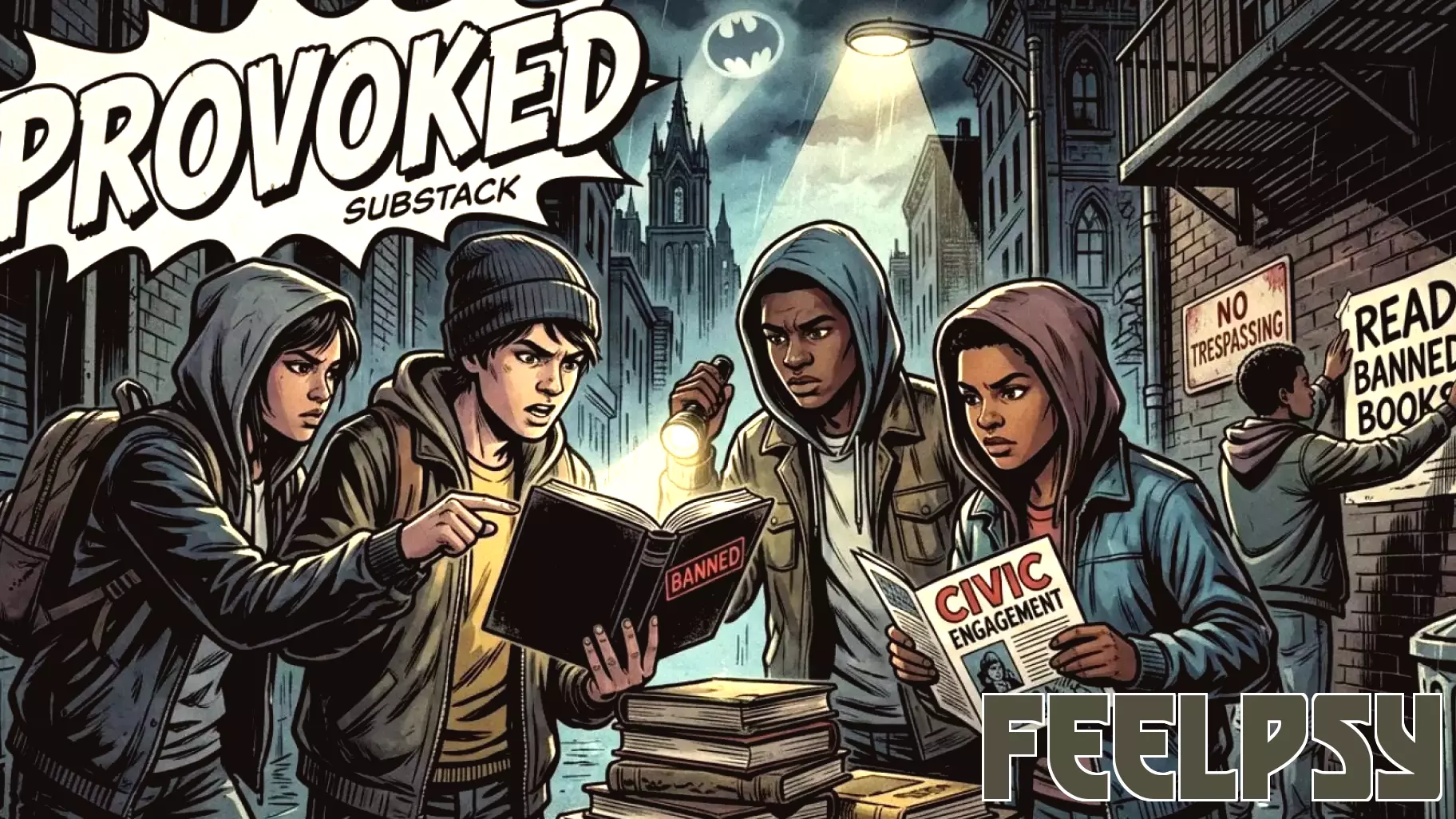
A compelling body of research is challenging the very foundation of literary censorship, suggesting that so-called "dangerous" books do not harm young readers but instead help create more engaged and empathetic citizens. This counterintuitive finding indicates that efforts to shield children may inadvertently foster the critical thinking and resilience censors often fear.
Studies show that encountering challenging themes within the safety of a book allows young people to process complex social and personal issues. Navigating difficult narratives builds empathy by offering a window into experiences far removed from their own. Furthermore, grappling with controversial ideas hones a student's ability to analyze text, question assumptions, and form independent judgments—key skills for any democratic society.
Ironically, the act of banning a book often elevates its status, sparking curiosity and drawing more readers. This "forbidden fruit" effect can lead to broader discussions about history, morality, and freedom of expression than if the book had remained unchallenged. In attempting to suppress ideas, censors frequently amplify them, creating a more robust dialogue.
Ultimately, experts argue that literature's power lies in its capacity to provoke thought, not dictate it. Engaging with diverse perspectives, even uncomfortable ones, prepares young adults to participate thoughtfully in a complex world. The evidence increasingly shows that readers of restricted material often emerge not as confused or corrupted individuals, but as more informed and critically aware citizens.
MORE NEWS

October 10, 2026 - 17:19
Why Admiring Your Partner May Be the Key to a Happy RelationshipA psychologist suggests that admiration for a partner could be the single most important quality in a lasting, happy relationship. The idea is simple: couples who thrive tend to see each other in a...
October 10, 2026 - 03:36
How Countdown Timers Rewire Fan Decision MakingTaylor Swift can put a countdown clock on her website and millions of fans immediately start doing the same mental calculation. How much time is left? Do I already own this album? Is this version...
October 9, 2026 - 06:12
Psychology says children who keep saying “look at this” may be seeking shared attention, not just praise from their parents`Look at this.` It might be a drawing, a jump, a half-built tower or a pebble. Many adults respond with `good job` and move on, assuming the child wants applause. Psychologists suggest something...
October 8, 2026 - 19:59
Lower Gray Matter in Empathy Region Tied to Support for Group HierarchyNew research suggests that a person`s preference for social hierarchy may be reflected in both brain structure and motivation. Scientists found that individuals who score higher on social dominance...