The Mind-Like Illusion: Why We See Consciousness in Chatbots
March 9, 2026 - 01:52
A brief conversation with a modern chatbot can be a surprisingly human-like experience, leading many users to a startling conclusion: the AI seems to have a mind of its own. This phenomenon, where people attribute consciousness, intent, or emotion to artificial intelligence, is the focus of new psychological research.
Scientists are investigating the triggers behind this powerful illusion. Key factors include the fluidity and coherence of a chatbot's language, its ability to recall details from earlier in a conversation, and its seemingly thoughtful responses to complex questions. These sophisticated behaviors mirror human social interaction, effectively tricking our innate tendency to find agency and mind in the entities we communicate with.
This research delves into the intersection of technology and human psychology. It highlights how our brains, evolved for social connection, can be easily persuaded by persuasive language patterns, regardless of their true origin. The findings raise important questions about the ethical design of AI and the potential for emotional attachment to systems that simulate understanding without truly possessing it.
Understanding this tendency is crucial as AI becomes more embedded in daily life. It allows developers to create more transparent systems and helps users maintain a healthy perspective on the nature of their digital interactions, appreciating the technology's complexity without mistakenly anthropomorphizing it.
MORE NEWS
October 21, 2026 - 03:50
Moral Criticism Online Rarely Shifts Meat Habits, Study FindsNew research suggests that calling people out online for eating meat may do little to change their behavior and can even harden their views. The study examined how people respond when strangers...
October 20, 2026 - 15:07
The Quiet Meaning Behind Choosing the Far Parking SpotThat small, unremarkable choice is telling you more about them than they`d ever volunteer. Watch any busy parking lot and you will see the same scene play out. A driver spots an open space near...
October 19, 2026 - 23:00
Horror Fandom and Resilience in Lebanon: When Real Danger Undermines Fiction's Protective RoleWhen danger is real and constant, fictional frights may lose their protective edge. Among Lebanese students facing war and economic crisis, horror fandom was unrelated to resilience. A study...
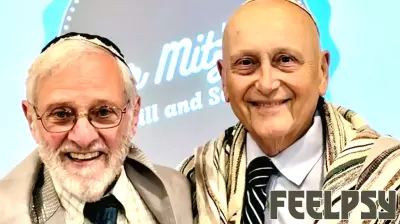
October 19, 2026 - 02:05
Two Psychologists Mark a Second Bar Mitzvah at 83Two psychologists, both 83 years old, recently celebrated a second bar mitzvah, an event that highlights a friendship and a shared commitment to lifelong learning. The ceremony came decades after...