The Mind in the Machine Age: Why Psychology Now Studies Systems, Not Just People
June 10, 2026 - 03:17
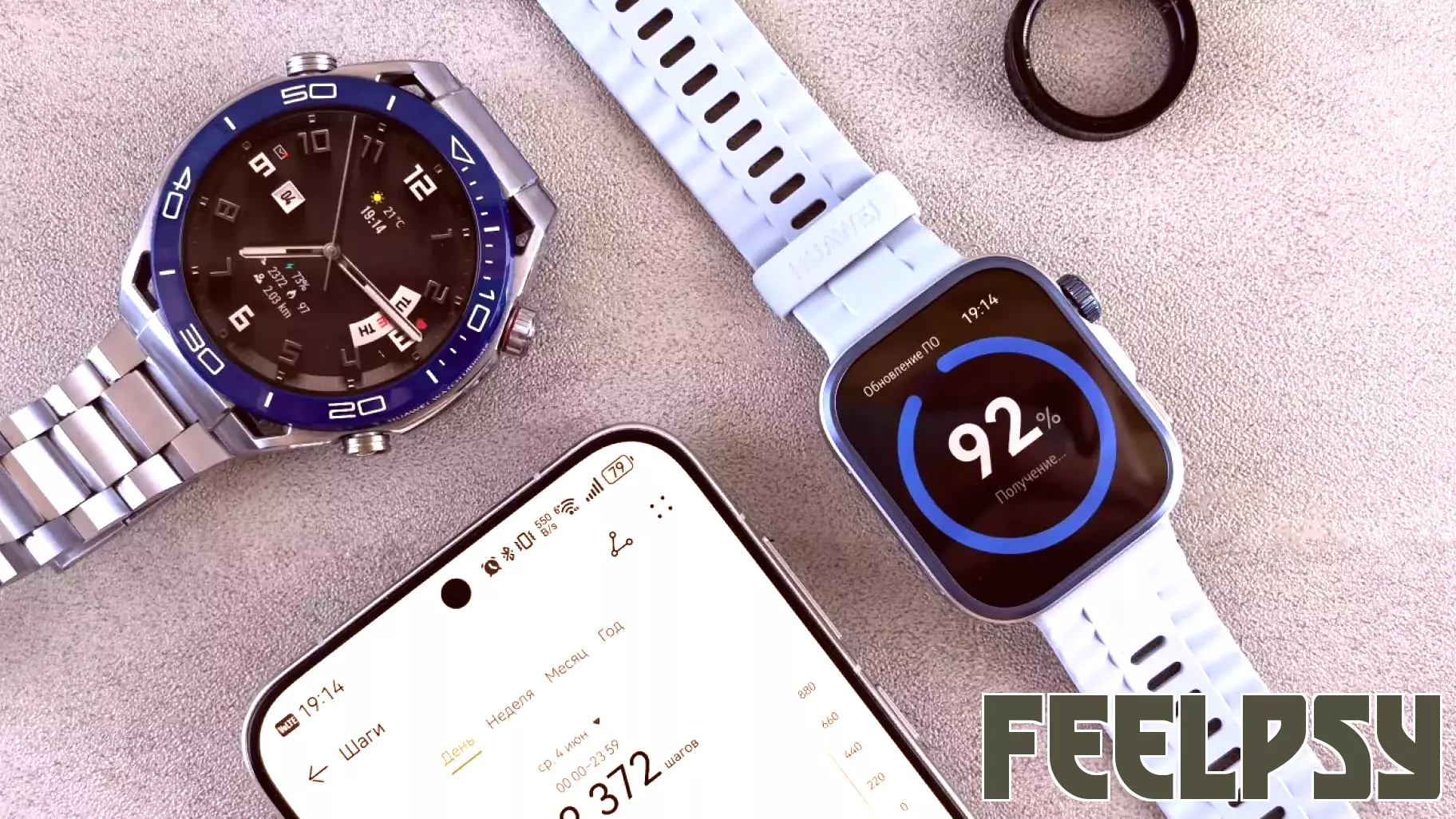
Most working hours now run through machines that shape what we decide. The unit psychology studies has changed. Here is what that means for measuring anything human.
For decades, psychology focused on the individual: one brain, one set of emotions, one person making choices in a lab or a clinic. But that picture no longer matches how people actually live. The average worker now spends the majority of their day interacting with digital systems that nudge, filter, and even override their decisions. Algorithms recommend what we read, whom we date, and how we do our jobs. The unit of analysis for psychology can no longer be the solitary human mind.
Researchers are shifting their focus to what they call the "human-machine dyad." This is not about robots taking over. It is about recognizing that cognition is now distributed across people and the software they use. When a radiologist reads a scan with AI assistance, who is making the diagnosis? When a driver relies on lane-keeping assist, where does the attention live? These questions force psychology to expand its toolkit.
The implications for measurement are huge. Traditional tests for personality, intelligence, or emotional state assume a stable, isolated person. But a person with a smartphone in hand is not isolated. Their stress levels, attention span, and even their sense of self are partly shaped by the device's notifications and feedback loops. Measuring "human" traits now means measuring the system that contains the human.
Some psychologists worry this shift undermines the field's core identity. Others argue it is the only way to stay relevant. Either way, the old model of the self-contained mind is becoming a historical footnote. The new unit of study is the person plus the machine, and that changes everything from therapy to hiring to how we define mental health.
MORE NEWS

October 23, 2026 - 15:01
Psychology says your child bending down to see the world between their legs isn't as random as it looks; here's what it could meanYou may have seen your child bend forward, tuck their head between their legs and look at the room upside down. A familiar face, the living room sofa or a parent standing nearby suddenly becomes...

October 22, 2026 - 18:47
Three Psychology-Backed Ways to Make Your Own LuckA psychologist shares three practical ways to recognize opportunities, overcome setbacks, and put yourself in a better position for success. Luck often feels like something that happens to people...

October 22, 2026 - 10:00
Sunday Football Outing Turns Into a Psychology ExperimentIt began as a Sunday outing with the guys but ended as a psychology exploration. What started as a simple plan to watch a Cardinals game together became an unexpected look into how people think,...
October 21, 2026 - 18:36
How Marital Breakups Can Shape Vulnerability in Later LifeMarital breakups do not only have immediate consequences, typical of the moment when cohabitation ends. Research increasingly suggests that the effects of divorce or separation can linger for...