The Intersection of Mental Health and Homelessness: A Growing Crisis
November 26, 2024 - 18:08
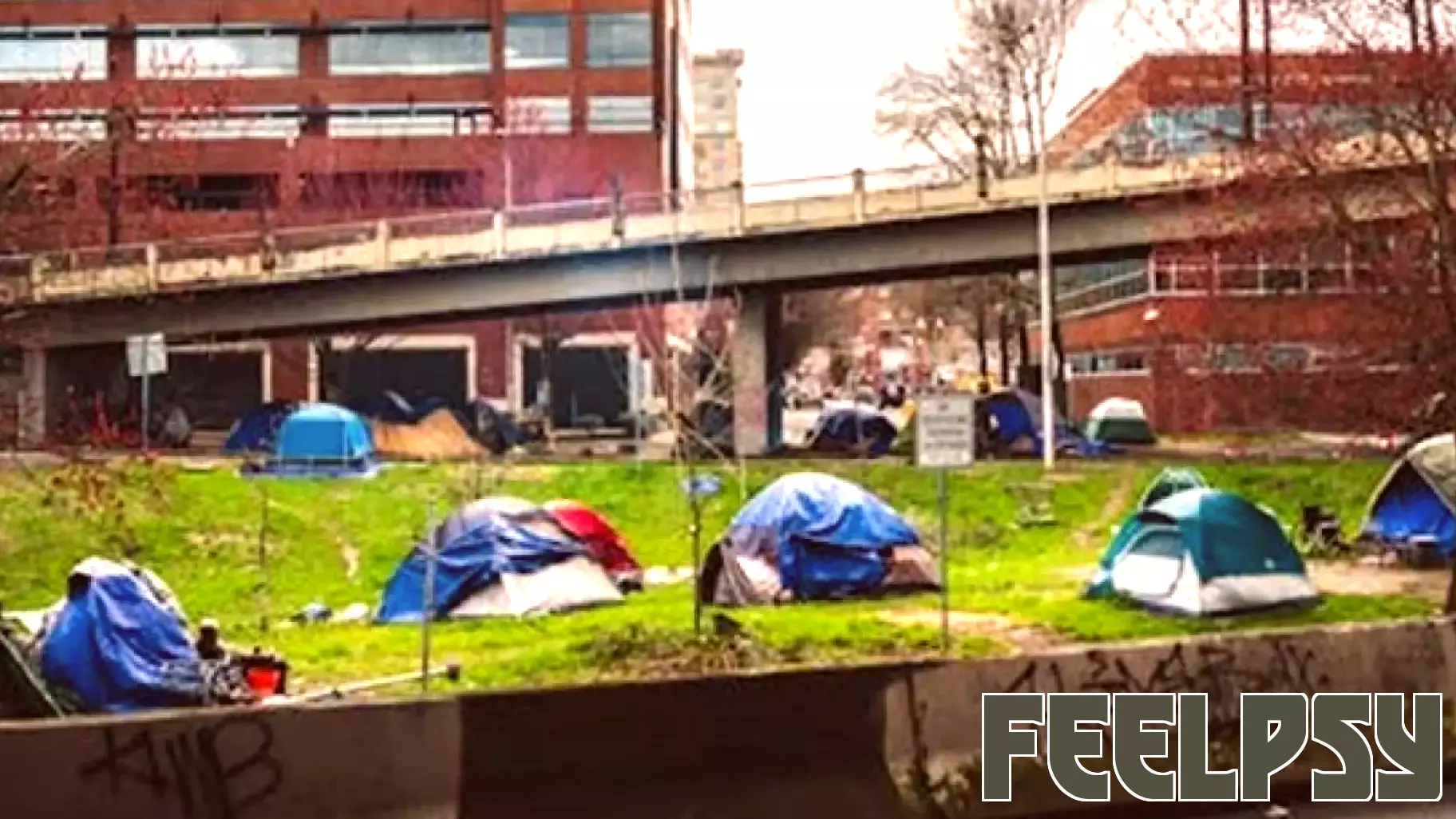
There exists an extraordinary number of individuals who experience serious mental health conditions and lack of housing. This troubling reality highlights the urgent need for comprehensive solutions that address both mental health care and housing stability.
Many of those affected face a multitude of challenges, including limited access to essential services, social stigma, and economic barriers. The combination of mental health issues and homelessness creates a cycle that is difficult to break, often leading to increased vulnerability and isolation.
Advocates are calling for a more integrated approach that combines mental health treatment with housing support. This could involve creating more supportive housing options that cater specifically to those with mental health needs, ensuring that individuals receive the care they require while having a stable place to live.
As communities grapple with this complex issue, it becomes increasingly clear that addressing the needs of the unhoused population with mental health conditions is not just a matter of compassion, but a critical public health imperative.
MORE NEWS

September 13, 2026 - 03:43
The Cousin Closest in Age Shaped How You Measured YourselfGrowing up, the cousin nearest your age often felt less like a relative and more like a rival, an ally, or both at once. Psychologists suggest this relationship carried a weight that few families...

September 12, 2026 - 10:43
Psychology says your willpower beliefs determine if you choose hard tasks: 2026 study shows nonlimited minNew research suggests that what you believe about willpower can directly influence the kinds of goals you set for yourself. The findings, published in 2026, point to a clear pattern: people who see...

September 11, 2026 - 20:27
Why 1980s Childhood Habits Seem Impossible TodayChildren who grew up in the 1980s experienced a level of independence that many parents today find difficult to imagine. Known as the latchkey generation, these kids walked home from school alone,...

September 11, 2026 - 14:49
Twenty-Five Years After 9/11: One Survivor's Long Road Through TraumaWhen the towers fell, thousands of lives were shattered in an instant. For one survivor, the journey since has been measured not just in years but in the slow, uneven work of healing. The morning...