The Impact of Rage Bait: Insights from Oxford’s Word of the Year
December 20, 2025 - 22:00
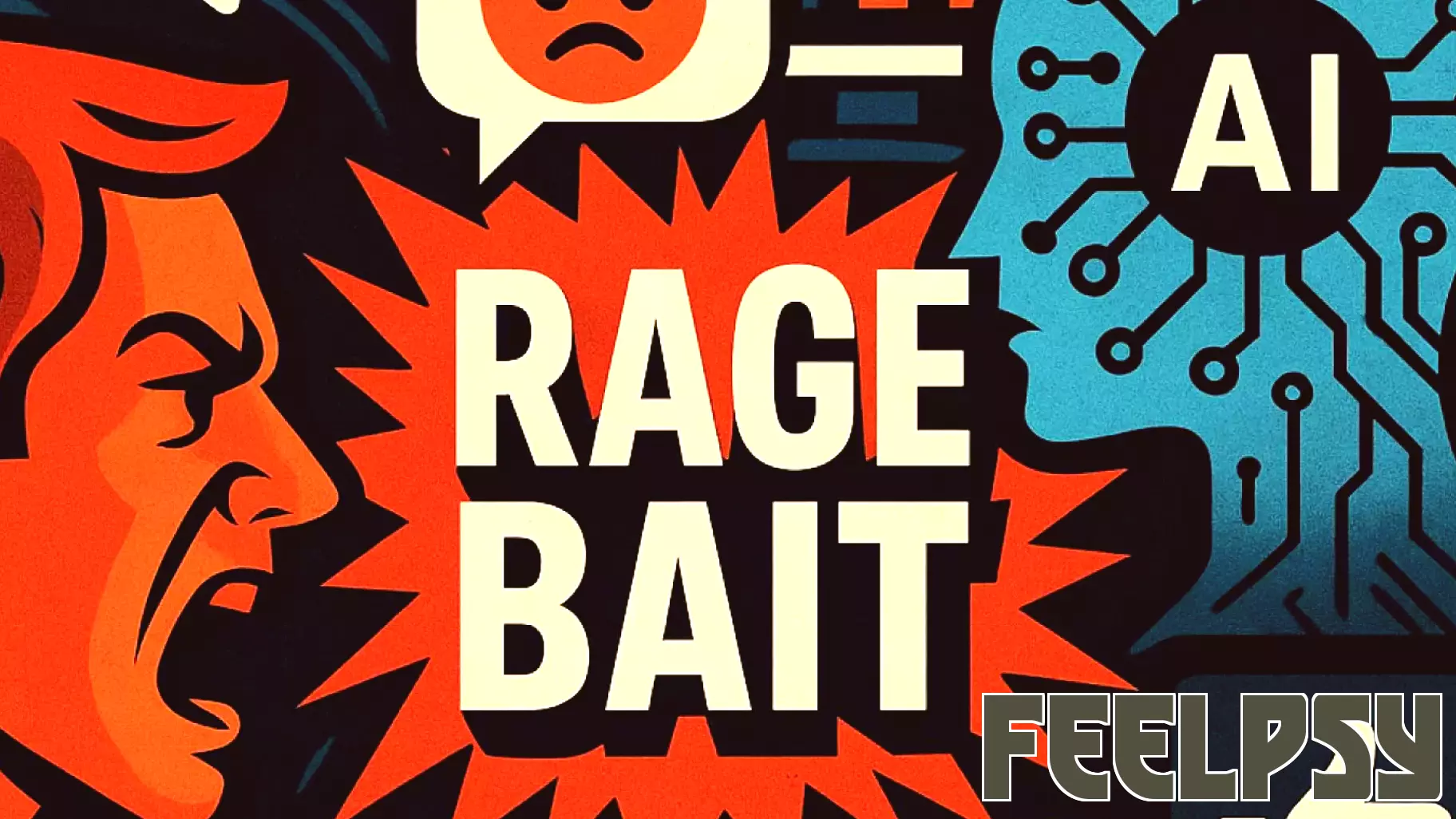
In an era dominated by social media, the term "rage bait" has emerged as a significant concept, reflecting our collective behavior online. Unlike traditional clickbait, which primarily piqued curiosity, rage bait taps into our emotional responses, particularly anger. This strategy is designed to keep users engaged for longer periods, as content that provokes strong feelings tends to be shared more frequently and encourages users to return to the platform quickly.
The rise of rage bait highlights a troubling trend in digital communication, where sensationalism often overshadows factual reporting. Content creators are increasingly incentivized to prioritize provocative narratives over constructive dialogue, leading to a cycle of outrage that can polarize audiences. This phenomenon not only affects individual users but also shapes public discourse, as misinformation and extreme viewpoints gain traction.
As we navigate this landscape, it is crucial to remain aware of how our emotional reactions can be manipulated. Understanding the mechanics behind rage bait can empower us to engage with content more thoughtfully and critically.
MORE NEWS

October 4, 2026 - 19:25
What Yoga Can Teach Us About Listening to OurselvesMany people step onto a yoga mat expecting a workout. They find something else instead. Between the postures and the breath, a quieter experience often appears. Practitioners describe it as a...

October 4, 2026 - 06:15
Psychology says people who let these 6 things go unanswered tend to be calmer than the people who respond to everythingStaying calm in a noisy world often looks like doing nothing. Psychology suggests it is actually a skill. People who remain steady under pressure tend to share one habit: they choose not to answer...

October 3, 2026 - 17:54
How a New Film Shows the Legal System Failing Trauma SurvivorsA new film starring Cynthia Erivo offers a sharp look at the way sexual assault cases move through the courts, and at the painful gap between what trauma actually does to a person and what the law...

October 3, 2026 - 11:35
Using Theater and Psychology to Help Homeless YouthAt Larkin Street Youth Services, a Northeastern psychology and theater student used theater workshops to support homeless youth. The student combined two fields that often sit apart. Psychology...