The Hidden Struggles of Caregivers: Facing Judgment and Stigma
August 26, 2025 - 03:03
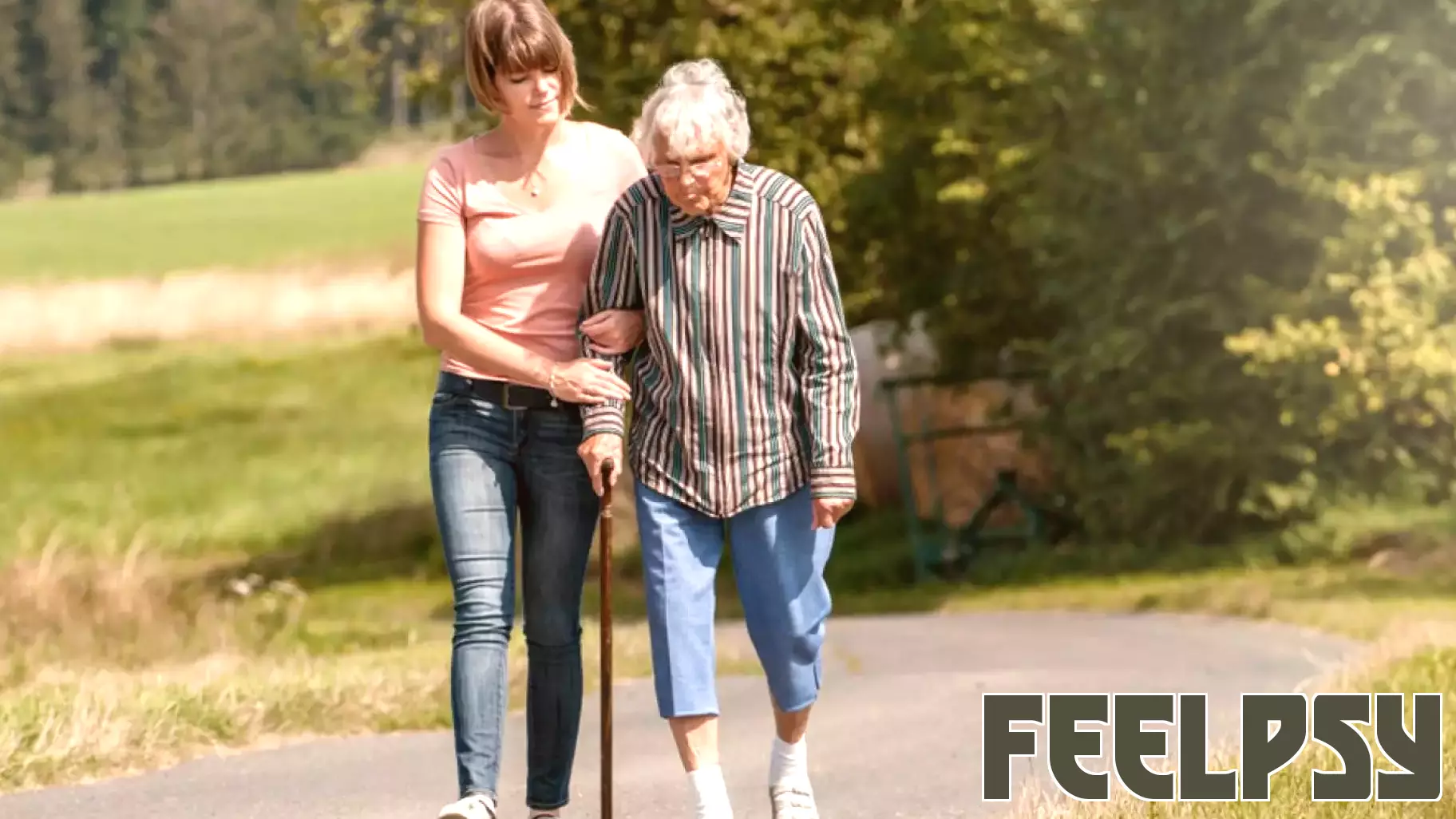
Stigma does not begin and end with a patient; their caregivers often feel its effects too. Many caregivers experience judgment based on their association with those they support, leading to feelings of isolation and inadequacy. This judgment can stem from societal misconceptions about caregiving roles, where caregivers are sometimes viewed through a lens of bias or misunderstanding.
The emotional toll on caregivers can be significant, as they navigate the complexities of their loved ones' conditions while managing their own mental health. The stigma can manifest in various ways, from unsolicited advice to outright criticism, which can further exacerbate the challenges they face.
Support systems are crucial in combating this stigma. Encouraging open conversations about the realities of caregiving can foster empathy and understanding within communities. By providing resources and creating inclusive environments, we can help caregivers feel valued and supported, ultimately improving their well-being and the quality of care they provide.
MORE NEWS

October 17, 2026 - 01:07
Study Finds Sensitivity Trait May Not Intensify All ExperiencesEnvironmental sensitivity may be a misleading name for a personality trait that appears to have less to do with how people respond to their physical environments and more to do with how they are...

October 16, 2026 - 14:00
The Psychology Behind Why Effort Feels Worth ItWhy does effort feel worth it to some people and too costly to others? A UNSW-led research project is investigating what motivates us to persist, and the answers could reshape how we think about...

October 15, 2026 - 18:58
Who is Megyn Kelly, really? The confusing psychology of a woman at war with womenMegyn Kelly has built a reputation on saying one thing and then doing another, often within the same news cycle. This week offered another example. She went after Karoline Leavitt, the new White...
October 15, 2026 - 01:21
Ghosting Isn't Always Guilt-Free for the One Who Walks AwayBeing ghosted hurts. The silence, the unanswered messages, the sudden disappearance of someone who once seemed invested. It is easy to assume the person on the other side feels nothing at all. But...