Short-Form Social Media Content Linked to Cognitive Decline, Study Reveals
November 25, 2025 - 15:59
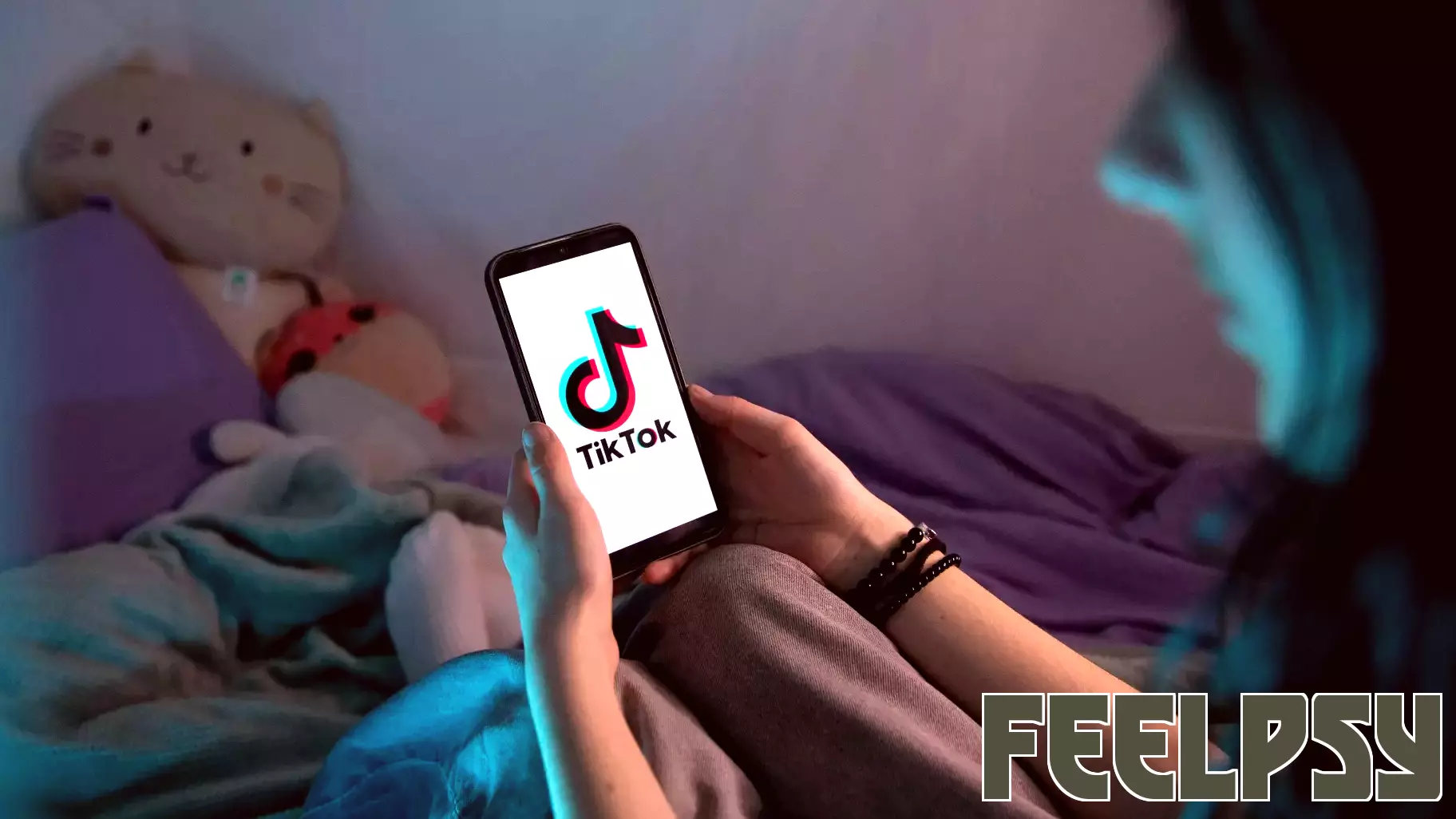
A recent study has unveiled a concerning correlation between the consumption of short-form content on social media platforms and cognitive performance. Researchers found that individuals who frequently engage with platforms like TikTok and Instagram tend to exhibit lower cognitive abilities compared to those who consume less of this type of content.
The study highlights how the rapid-fire nature of short videos and posts may contribute to a decline in attention span and critical thinking skills. As users scroll through an endless stream of brief clips, they may become less capable of focusing on longer, more complex information. This phenomenon, often referred to as "brain rot," raises important questions about the long-term effects of digital media consumption on mental health and cognitive development.
Experts emphasize the need for moderation in social media usage and encourage individuals to balance their online habits with activities that promote deeper thinking and engagement. As social media continues to evolve, understanding its impact on our minds is more crucial than ever.
MORE NEWS
October 8, 2026 - 19:59
Lower Gray Matter in Empathy Region Tied to Support for Group HierarchyNew research suggests that a person`s preference for social hierarchy may be reflected in both brain structure and motivation. Scientists found that individuals who score higher on social dominance...

October 8, 2026 - 03:46
I’m one of the few old men who still deer hunt. I asked a psychologist why.As an aging hunter and outdoor writer, I have begun to look inward. I am one of the few old men who still deer hunt. I asked a psychologist why. The question matters because the numbers are clear....

October 7, 2026 - 09:14
Psychology says the life you want may be hiding beneath the life you were taught to want: Why questioning family expectations, social pressure and old definitions of success can help you discover your own pathMany people spend years chasing a version of success they never actually chose. The career, the lifestyle, the milestones. These things often arrive through quiet signals rather than open demands....

October 6, 2026 - 13:45
Psychology says people who reread every work email before sending it may fear more than mistakes: Why the need to check, edit, and reread a simple message can be linked to anxiety, perfectionism, or fear of being judgedWe all know someone who finishes writing a short, harmless email and then reads it again. And again. They swap one word, change it back, and hover over the send button while imagining every...