Psychology says people who grew up with little affection often develop strengths that hide painful beginnings: Research suggests many admired traits began as emotional adaptations
July 1, 2026 - 00:20
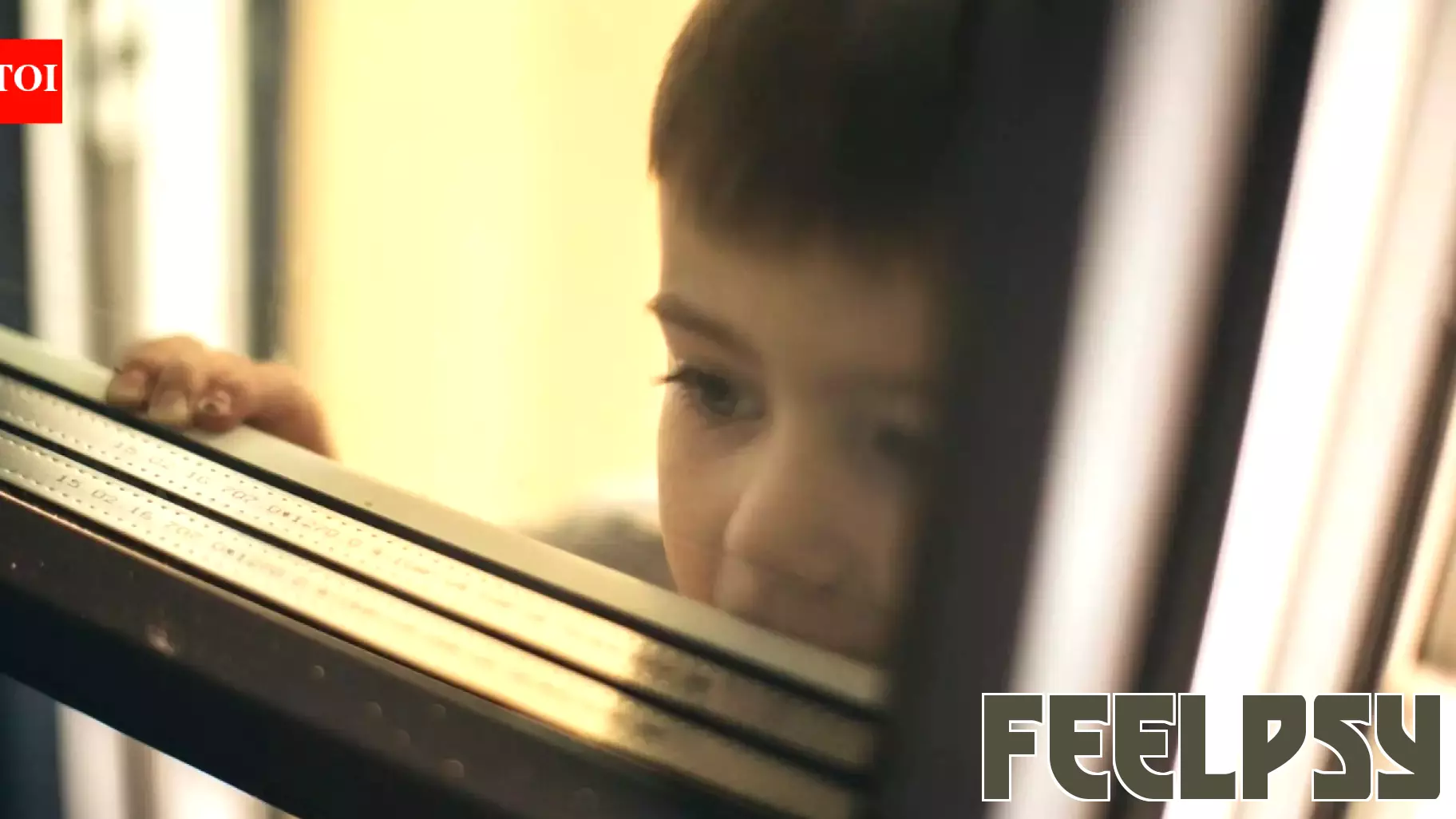
Adults who received minimal affection as children frequently display traits that others find admirable. They tend to be exceptionally independent, stay calm during crises, carry heavy responsibilities without complaint, and keep their emotions tightly controlled. But according to recent psychological research, these qualities are often not natural temperament. Instead, they are learned adaptations formed in response to emotional neglect.
When a child does not receive regular warmth, hugs, or verbal reassurance, the brain adapts. The child learns to self-soothe, to avoid asking for help, and to suppress emotional needs because those needs were rarely met. Over time, this creates an adult who seems self-sufficient and resilient. Colleagues may admire their composure. Friends may rely on their steadiness. Yet beneath the surface, these individuals often struggle with vulnerability, intimacy, and asking for support.
Studies in developmental psychology suggest that traits like extreme self-reliance, hyper-responsibility, and emotional restraint can be traced back to early attachment disruptions. The child who never felt safe depending on others grows into the adult who never leans on anyone. The child who had to manage their own distress becomes the adult who appears unshakeable.
While these adaptations can serve people well in careers or during emergencies, they also carry hidden costs. Loneliness, difficulty forming close relationships, and a persistent sense of being different are common. Recognizing the origin of these strengths does not diminish them. It simply offers a fuller picture of how early pain can shape adult character in ways that are both admirable and isolating.
MORE NEWS

September 28, 2026 - 18:51
The Hidden Toll of Masking ADHD Symptoms Every DayADHD is not only about fidgeting, distractibility, forgetfulness or restlessness. It is also about the quiet effort adults put into hiding those symptoms as they move through work, school and...
September 28, 2026 - 11:43
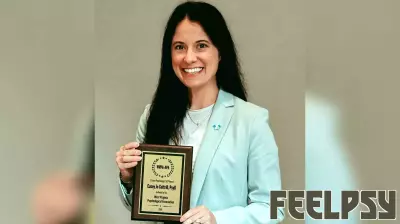
Barbour Community Health psychologist wins statewide award for school-based mental health workThe West Virginia Psychological Association has recognized Dr. Casey Jo Cottrill of Barbour Community Health Association with its 2026 Early Career Citizen Psychologist award. The honor highlights...

September 27, 2026 - 17:44
People with higher autistic traits tend to avoid positive relationship-maintenance tacticsNew research suggests that individuals with higher levels of autistic-like traits may be less likely to use positive behaviors that help sustain romantic relationships. The study found that these...

September 27, 2026 - 01:00
Why the Department of War Has Issues With Effective AltruismThe global race for artificial intelligence is fueled by zero-sum thinking, probability neglect, and other cognitive biases, according to recent analysis. These mental shortcuts shape how...