Psychology says children who keep saying “look at this” may be seeking shared attention, not just praise from their parents
October 9, 2026 - 06:12
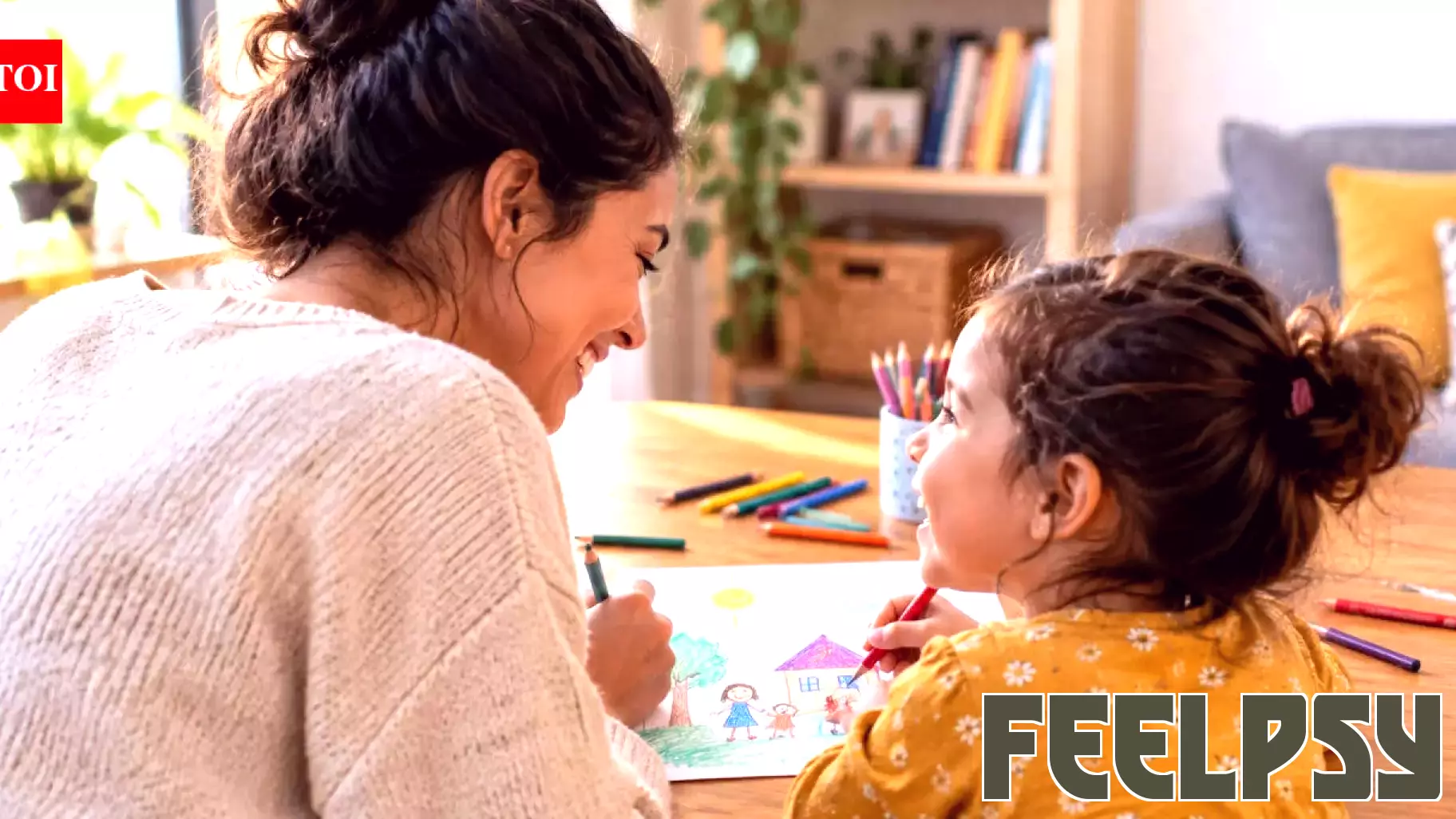
"Look at this." It might be a drawing, a jump, a half-built tower or a pebble. Many adults respond with "good job" and move on, assuming the child wants applause. Psychologists suggest something different is happening. The repeated call for attention is often a request for shared attention, a moment where parent and child focus on the same thing at the same time. That shared focus helps children build language, regulate emotions and feel seen. Praise closes the loop quickly. Shared attention keeps it open. A child who points at a scribble may not care whether the scribble is good. The child cares whether you look at it too. Researchers describe these small exchanges as building blocks for social understanding. When a parent turns toward the object and comments on what the child notices, the child learns that their interests matter and that experience can be shared. That does not mean praise is harmful. It means the response can shift. Instead of rating the tower, describe it. Instead of saying "nice," ask what happens next. The difference is small in words and large in effect. A child asking to be seen is not asking for a score. The request is simpler and deeper: come look with me.
MORE NEWS

October 8, 2026 - 19:59
Lower Gray Matter in Empathy Region Tied to Support for Group HierarchyNew research suggests that a person`s preference for social hierarchy may be reflected in both brain structure and motivation. Scientists found that individuals who score higher on social dominance...

October 8, 2026 - 03:46
I’m one of the few old men who still deer hunt. I asked a psychologist why.As an aging hunter and outdoor writer, I have begun to look inward. I am one of the few old men who still deer hunt. I asked a psychologist why. The question matters because the numbers are clear....

October 7, 2026 - 09:14
Psychology says the life you want may be hiding beneath the life you were taught to want: Why questioning family expectations, social pressure and old definitions of success can help you discover your own pathMany people spend years chasing a version of success they never actually chose. The career, the lifestyle, the milestones. These things often arrive through quiet signals rather than open demands....

October 6, 2026 - 13:45
Psychology says people who reread every work email before sending it may fear more than mistakes: Why the need to check, edit, and reread a simple message can be linked to anxiety, perfectionism, or fear of being judgedWe all know someone who finishes writing a short, harmless email and then reads it again. And again. They swap one word, change it back, and hover over the send button while imagining every...