Psychological factors determine maternal readiness to care for newborns
August 21, 2026 - 13:01
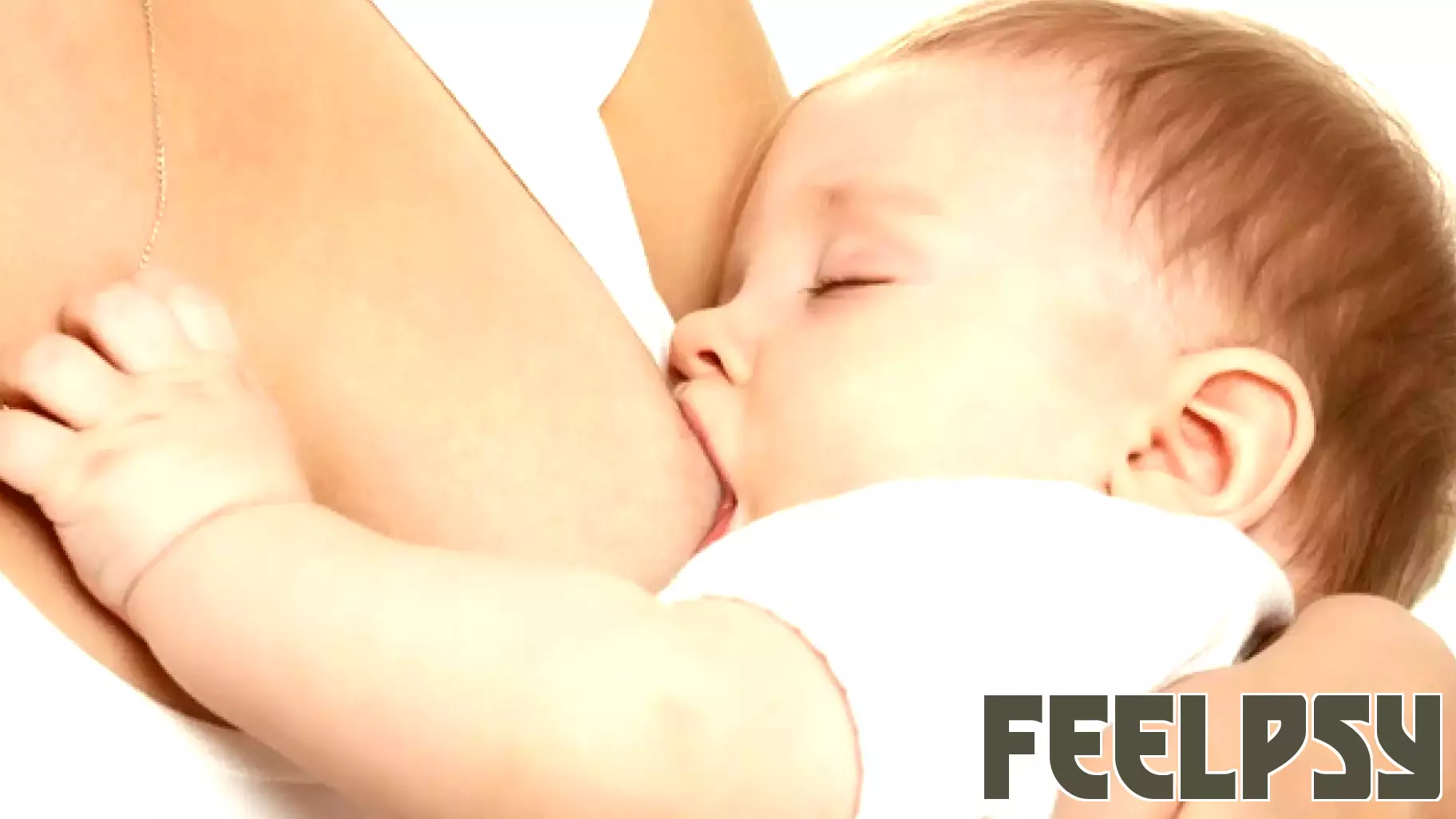
The first days after childbirth bring immense physical and emotional upheaval. While most maternity wards now follow the rooming-in model, where mothers and newborns remain together continuously, the reality is that many women do not feel prepared to take on full caregiving duties immediately after delivery. A recent study highlights that psychological factors, rather than hospital routines or medical protocols, play the decisive role in determining how ready a mother feels to care for her newborn.
Researchers found that a woman's mental state, including her levels of anxiety, self-efficacy, and emotional support, directly influences her perceived readiness. Simply placing the baby in the mother's arms around the clock does not automatically create confidence. In fact, for some women, the pressure of constant proximity without adequate emotional preparation can increase stress and feelings of inadequacy.
The findings suggest that healthcare providers should assess psychological readiness alongside physical recovery. Practical help with breastfeeding, diaper changes, and soothing techniques is valuable, but it cannot replace the need for emotional reassurance and mental health support. A mother who feels anxious, overwhelmed, or unsupported may struggle to bond with her baby, regardless of how many hours they spend together.
This does not mean the rooming-in model is wrong. Rather, it underscores the need for a more individualized approach. Some mothers thrive with their baby beside them from the first minute; others need gradual steps, more guidance, or simply permission to say they are not ready yet. Listening to those cues, and responding with empathy instead of rigid policy, may be the most important factor in helping new families start off on solid ground.
MORE NEWS

October 5, 2026 - 09:48
Study Links Unequal Parenting to Internet Addiction in Chinese TeensA new study has found that adolescents who believe their parents treat them differently from their siblings may face a higher risk of internet addiction. The research, conducted among Chinese...

October 4, 2026 - 19:25
What Yoga Can Teach Us About Listening to OurselvesMany people step onto a yoga mat expecting a workout. They find something else instead. Between the postures and the breath, a quieter experience often appears. Practitioners describe it as a...

October 4, 2026 - 06:15
Psychology says people who let these 6 things go unanswered tend to be calmer than the people who respond to everythingStaying calm in a noisy world often looks like doing nothing. Psychology suggests it is actually a skill. People who remain steady under pressure tend to share one habit: they choose not to answer...

October 3, 2026 - 17:54
How a New Film Shows the Legal System Failing Trauma SurvivorsA new film starring Cynthia Erivo offers a sharp look at the way sexual assault cases move through the courts, and at the painful gap between what trauma actually does to a person and what the law...