Moral Leadership in the Military and the Psychological Health of Service Members
September 20, 2026 - 23:30
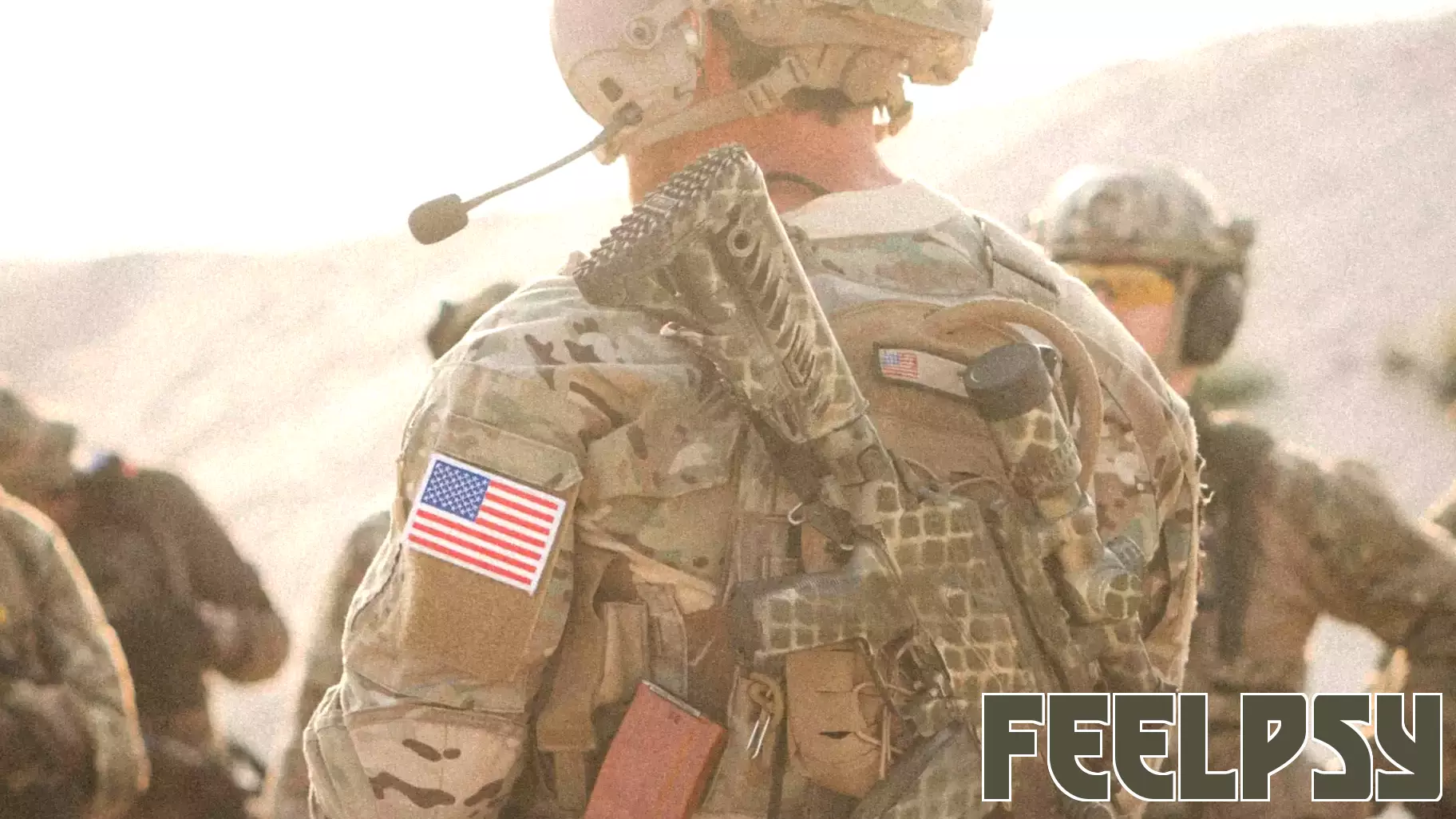
It has recently been reported that President Trump and Secretary of War Hegseth disparaged the mental health concerns, including suicide attempts, expressed by the sailors serving aboard the USS Abraham Lincoln during the carrier's record deployment. Their comments brought back the disquiet I felt s...
The remarks raise a question that reaches far beyond one ship or one deployment. What does moral leadership actually require when service members say they are struggling? For the sailors on that carrier, the deployment was not an abstraction. It was months of confined quarters, separation from family, and mounting strain. When people in those conditions speak up about suicide attempts and psychological distress, the response from senior leaders matters. Dismissal does not make the problem disappear. It teaches personnel that honesty carries a cost.
Moral leadership in the military is not only about issuing orders or enforcing standards. It is about protecting the people who carry out the mission. That protection includes taking mental health seriously, funding care, reducing stigma, and holding commanders accountable when they ignore warning signs. Service members are asked to endure extraordinary pressure. In return, they deserve leaders who treat their psychological well-being as a duty, not an inconvenience. The alternative is a force that suffers in silence until the damage becomes impossible to ignore.
MORE NEWS

September 20, 2026 - 06:52
Exposure to conspiratorial narratives about governments and corporations reduced perceived distributive justice — merit, equality, and need — in experiments in the U.S. and China, with institutional distrust as the mediating pathwayNew research reveals that believing in conspiracy theories directly reduces people`s faith in societal fairness, eroding the perception that resources are distributed based on merit, equality, or...

September 19, 2026 - 23:06
New Platform Lets Researchers Build Studies Without Writing CodeA psychology study that once took five or six weeks to build can now be created in less than an hour. Jacob Oliveira, a Ph.D. student in the School of Psychology, developed the new tool by aiming...

September 19, 2026 - 14:51
Why Parents Ask for Baby Name Ideas and Then Ignore ThemThe baby-name group chat can become a surprisingly serious place. Friends send lists, relatives push family names, and coworkers offer suggestions nobody asked for. Yet when the birth certificate...

September 18, 2026 - 01:40
Successful People Share How to Say No to a Boss Without Looking DifficultKnowing how to turn down a request from a manager is a skill that separates effective workers from those who burn out. Executive coach Melody Wilding says the key is to push back in a way that...