Lizard Brains and Hidden Knowledge
July 17, 2026 - 22:59
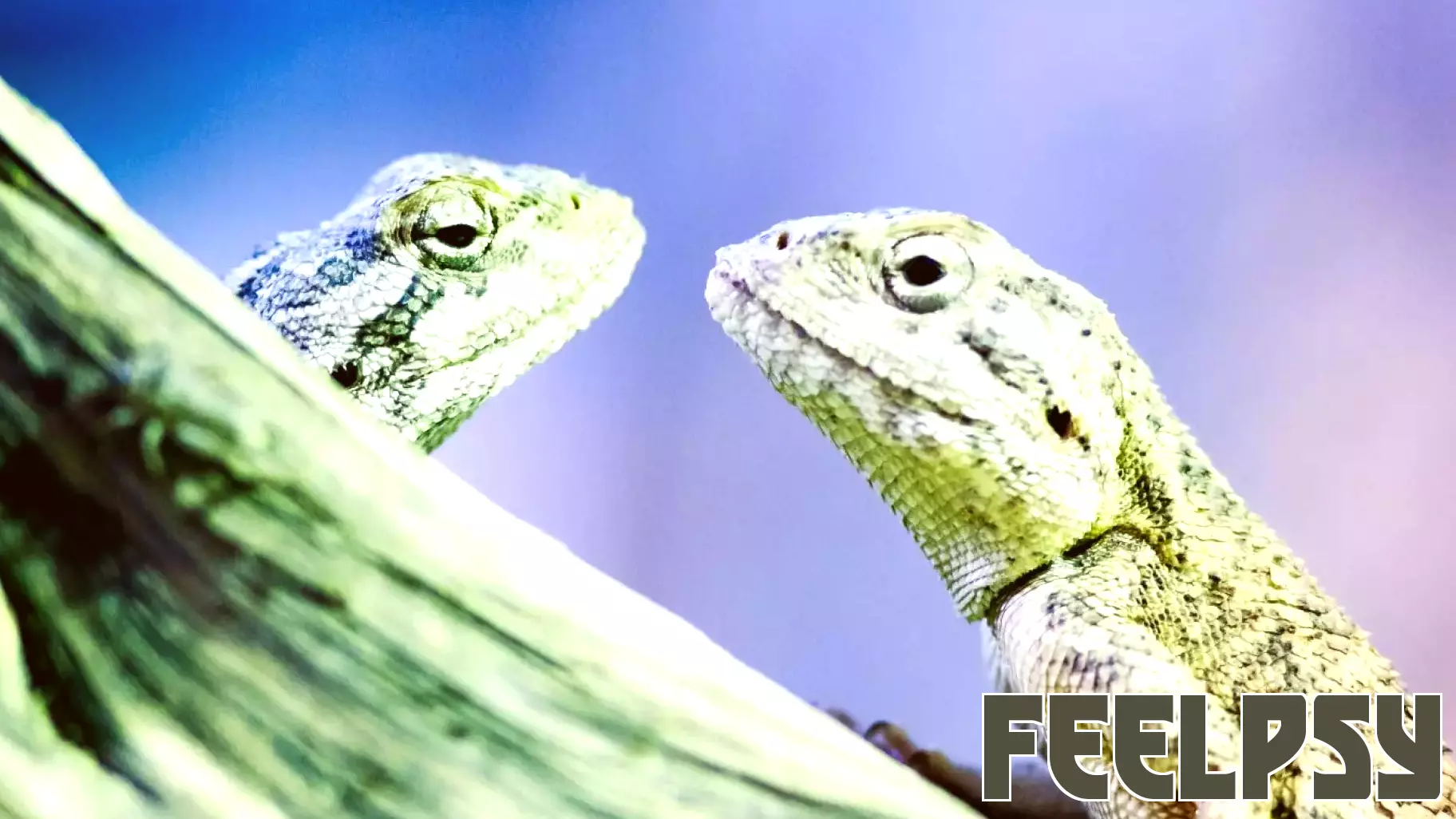
For years, the concept of the "lizard brain" has been a staple in leadership training, marketing strategy, and even therapy. The idea that our primal, reptilian brainstem hijacks rational thought and drives fear-based decisions has been repeated so often it feels like biological fact. But what happens when that foundation cracks?
A growing number of neuroscientists are now calling the lizard brain model a myth. The triune brain theory, popularized in the 1960s, has been largely discredited by modern imaging studies. The human brain does not operate as three distinct layers stacked on top of each other. Instead, it functions as a highly integrated network where emotion and logic are inseparable.
For professionals who built entire frameworks around this idea, the disconfirmation creates a unique kind of crisis. A coach who spent a decade telling clients to "override their lizard brain" now has to ask: Was the advice still useful, even if the science was wrong? A marketer who designed campaigns around triggering primal fear must reconsider their entire playbook.
Tracking back to the source is uncomfortable. It requires admitting that a convenient metaphor was never backed by solid evidence. The first step is to audit where the theory came from in the first place. Often, it was a simplified version of a speculative model that was never meant to be applied as gospel. The second step is to separate the practical outcomes from the flawed explanation. Some techniques built on the lizard brain idea might still work, just for different reasons. The final step is recalibration. This means replacing the old model with something more accurate, even if it is less catchy. The brain is not a reptile in a mammal suit. It is a complex, messy, and beautiful system that resists easy labels. Learning to work with that complexity, rather than against it, is the real professional growth.
MORE NEWS

October 15, 2026 - 18:58
Who is Megyn Kelly, really? The confusing psychology of a woman at war with womenMegyn Kelly has built a reputation on saying one thing and then doing another, often within the same news cycle. This week offered another example. She went after Karoline Leavitt, the new White...
October 15, 2026 - 01:21
Ghosting Isn't Always Guilt-Free for the One Who Walks AwayBeing ghosted hurts. The silence, the unanswered messages, the sudden disappearance of someone who once seemed invested. It is easy to assume the person on the other side feels nothing at all. But...

October 14, 2026 - 04:32
Former OpenAI Safety Lead Warns of Reckless Race After DepartureA former safety leader at OpenAI has gone public with sharp criticism of the artificial intelligence industry, describing a culture where financial pressure and fear push companies to release...

October 13, 2026 - 04:38
Why Contempt Is One of the Most Destructive Habits in a RelationshipEye rolls, mockery, and sarcasm can signal contempt, a destructive relationship habit researchers have linked to divorce and illness. Psychologists consider contempt one of the worst patterns that...