How Sci-Fi Films Predicted AI's Psychological Toll
August 22, 2026 - 22:12
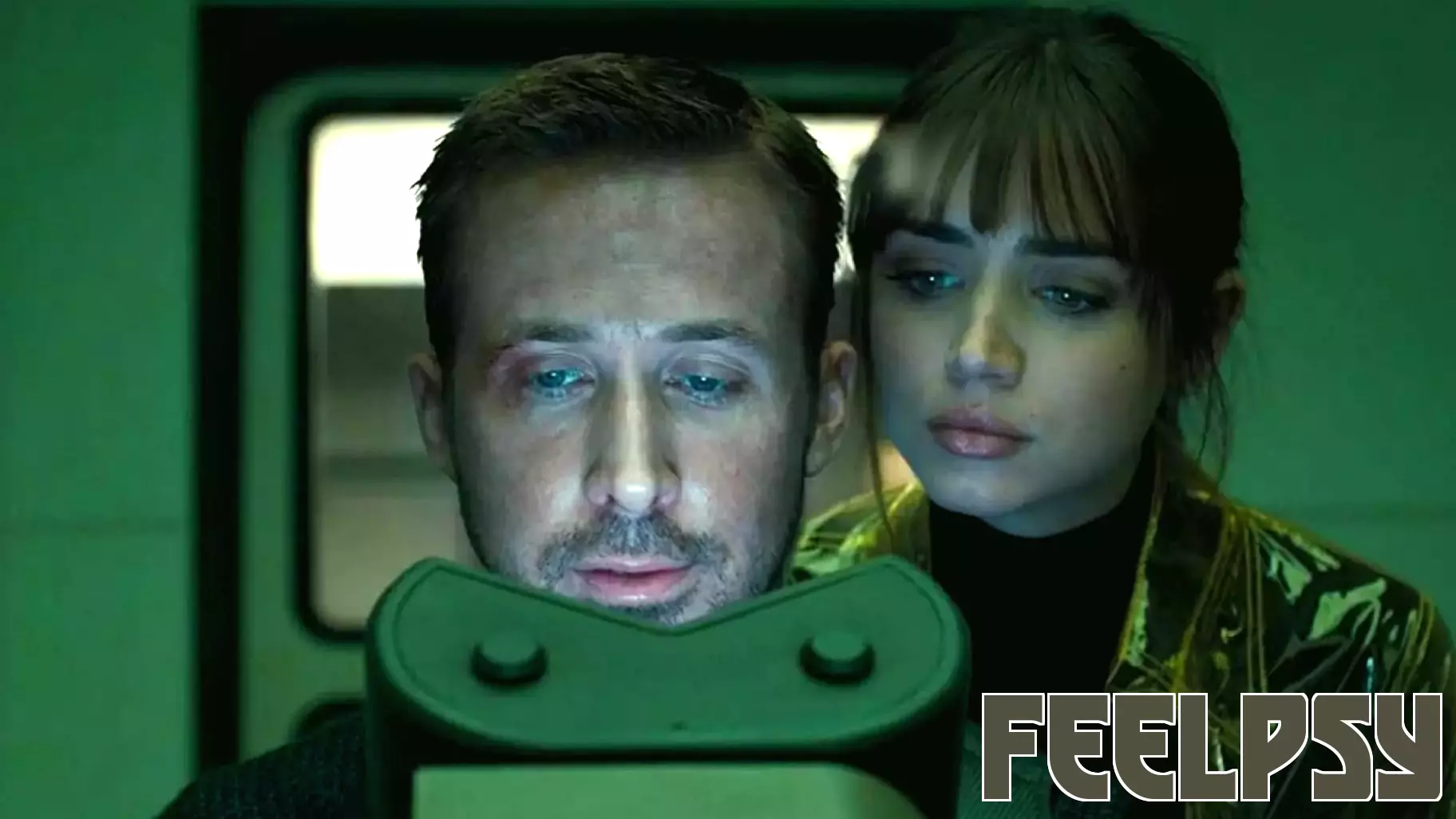
For decades, science fiction has painted a grim picture of artificial intelligence. From HAL 9000's cold logic to the replicants of Blade Runner, these stories warned that our creations would not just serve us, but also haunt us. What felt like paranoid fantasy is now showing up in real psychology clinics. New research suggests that living alongside AI is not just a convenience or a job threat. It is actively reshaping our mental health, and the symptoms look eerily familiar to those old movie plots.
The most common issue is a deep, pervasive fatigue. People report feeling drained after even short interactions with chatbots or automated systems. It is not the tiredness of physical work. It is a cognitive exhaustion from constantly second-guessing what is real, what is machine-generated, and where human input ends. This mental load has a name in some circles: AI fatigue. It mirrors the burnout seen in the film Her, where the protagonist falls for an operating system, only to find the relationship hollow and exhausting.
Worse, attention spans are crumbling. The constant ping of AI-driven notifications and the endless stream of algorithmically curated content train the brain to expect instant reward. When the real world does not deliver that pace, focus collapses. This is not just distraction. It is a rewiring of how we process time and patience. Films like Minority Report showed a world where predictive systems dictated action before thought. We are not there yet, but the feeling of being constantly nudged and predicted is starting to blur the line between our own choices and the suggestions fed to us.
The most alarming finding involves psychosis-like symptoms. A small but growing number of patients describe feeling watched, judged, or even manipulated by unseen algorithms. They report hearing phantom notification sounds or feeling that their thoughts are being read by their devices. This is not full-blown schizophrenia, but it is a paranoid state that clinicians are calling "AI-induced referential thinking." The sci-fi trope of the machine that knows your every move is no longer a metaphor. It is a lived experience for some.
The irony is that these films were not trying to predict technology. They were exploring human fragility. What they got right is that we are not built for omnipresent intelligence. We need gaps, silences, and the safety of being ignored. As AI becomes more woven into daily life, the psychological toll will only grow. The fix is not simpler technology. It is learning to set boundaries with machines, just as we do with people. Otherwise, we risk becoming the very characters we watched on screen: isolated, anxious, and unsure where our minds end and the code begins.
MORE NEWS

October 6, 2026 - 13:45
Psychology says people who reread every work email before sending it may fear more than mistakes: Why the need to check, edit, and reread a simple message can be linked to anxiety, perfectionism, or fear of being judgedWe all know someone who finishes writing a short, harmless email and then reads it again. And again. They swap one word, change it back, and hover over the send button while imagining every...

October 5, 2026 - 22:02
Why Children Build Secret Hiding Places at HomeA blanket over two chairs. A space behind the sofa. A gap at the back of a wardrobe. Most parents have watched a child disappear into one of these improvised dens, sometimes for hours at a time....
October 5, 2026 - 09:48
Study Links Unequal Parenting to Internet Addiction in Chinese TeensA new study has found that adolescents who believe their parents treat them differently from their siblings may face a higher risk of internet addiction. The research, conducted among Chinese...

October 4, 2026 - 19:25
What Yoga Can Teach Us About Listening to OurselvesMany people step onto a yoga mat expecting a workout. They find something else instead. Between the postures and the breath, a quieter experience often appears. Practitioners describe it as a...