Embracing Vulnerability: A New Perspective for Men
September 1, 2025 - 20:20

In a society where men are often encouraged to be stoic and strong, the concept of vulnerability can be a challenging one. Men frequently receive mixed messages about emotional expression; they are told to “open up” yet face stigma when they do. This contradictory expectation creates a barrier that makes it difficult for many men to share their feelings and experiences.
Understanding the roots of this struggle is essential. Cultural norms and traditional masculinity often dictate that showing emotions is a sign of weakness. However, recent discussions emphasize that embracing vulnerability can actually be a source of strength. By fostering deeper connections with friends and peers, men can create supportive environments—often referred to as "bro-spheres"—where they feel safe to express their true selves.
These friendships can lead to greater emotional resilience and improved mental health. As men begin to recognize the power of vulnerability, they may find that sharing their struggles not only strengthens their bonds with others but also empowers them to navigate life's challenges more effectively.
MORE NEWS

October 16, 2026 - 14:00
The Psychology Behind Why Effort Feels Worth ItWhy does effort feel worth it to some people and too costly to others? A UNSW-led research project is investigating what motivates us to persist, and the answers could reshape how we think about...

October 15, 2026 - 18:58
Who is Megyn Kelly, really? The confusing psychology of a woman at war with womenMegyn Kelly has built a reputation on saying one thing and then doing another, often within the same news cycle. This week offered another example. She went after Karoline Leavitt, the new White...

October 15, 2026 - 01:21
Ghosting Isn't Always Guilt-Free for the One Who Walks AwayBeing ghosted hurts. The silence, the unanswered messages, the sudden disappearance of someone who once seemed invested. It is easy to assume the person on the other side feels nothing at all. But...
October 14, 2026 - 04:32
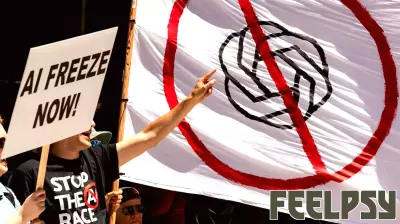
Former OpenAI Safety Lead Warns of Reckless Race After DepartureA former safety leader at OpenAI has gone public with sharp criticism of the artificial intelligence industry, describing a culture where financial pressure and fear push companies to release...