Cracker Barrel's Transformation Sparks Emotional Backlash
August 23, 2025 - 12:50
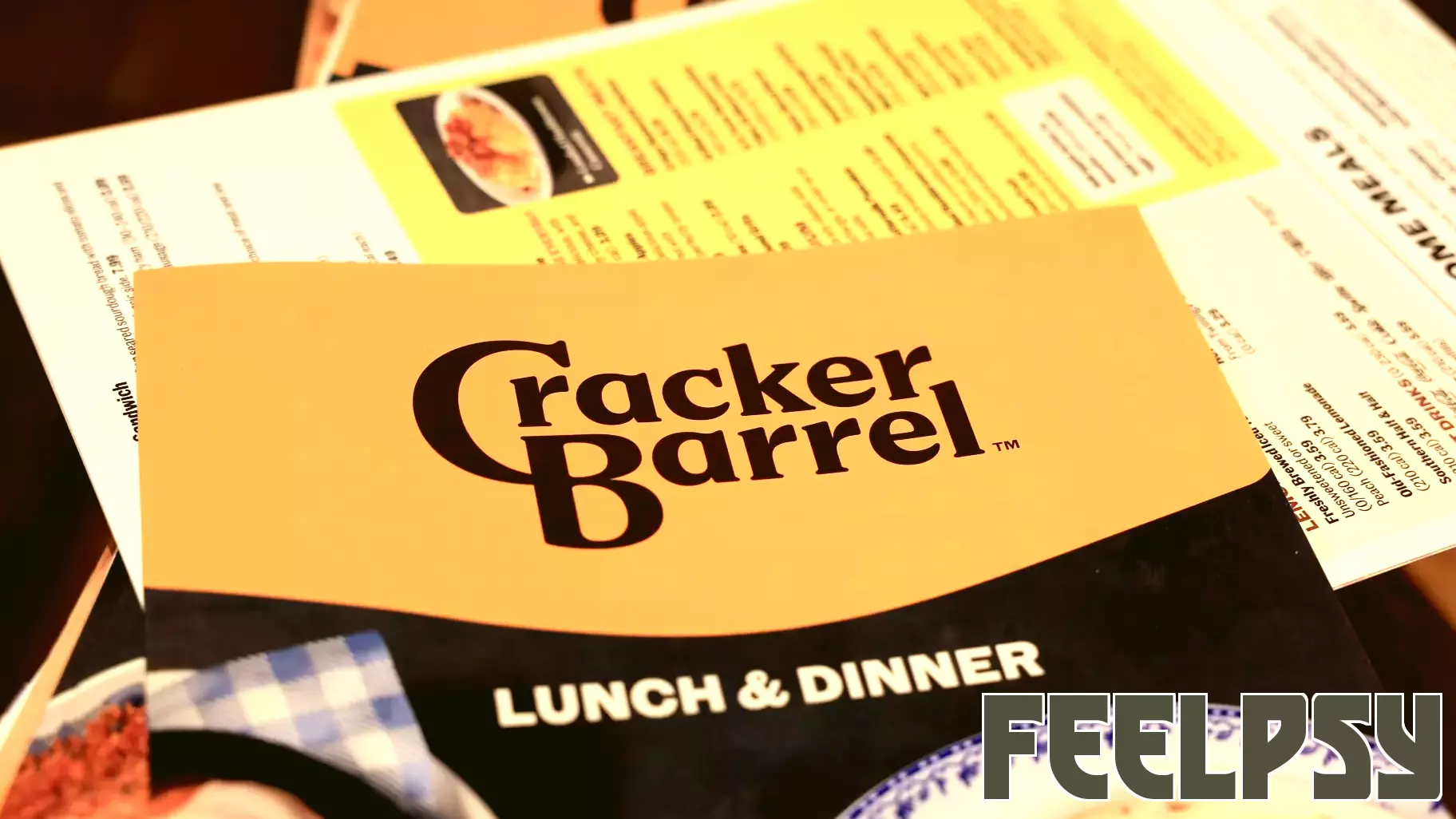
When Cracker Barrel made the decision to update its iconic branding, it ignited a wave of discontent among its loyal customers. This change was not merely about aesthetics; it struck at the heart of the emotional connection many patrons have with the brand. Experts in consumer psychology have identified a phenomenon known as "trust contrasts," which explains why such alterations can provoke strong reactions.
For many, Cracker Barrel represented a nostalgic, homey experience, embodied by its traditional logo and rustic decor. The removal of these familiar symbols can feel like a betrayal, leading customers to question the brand's authenticity and commitment to its core values. This emotional response is rooted in the psychological bonds that consumers form with brands, often viewing them as extensions of their own identity.
As brands evolve, they must tread carefully, as changes that seem minor on the surface can have profound implications for customer loyalty and trust. The Cracker Barrel incident serves as a reminder of the delicate balance brands must maintain between innovation and tradition.
MORE NEWS

October 4, 2026 - 19:25
What Yoga Can Teach Us About Listening to OurselvesMany people step onto a yoga mat expecting a workout. They find something else instead. Between the postures and the breath, a quieter experience often appears. Practitioners describe it as a...

October 4, 2026 - 06:15
Psychology says people who let these 6 things go unanswered tend to be calmer than the people who respond to everythingStaying calm in a noisy world often looks like doing nothing. Psychology suggests it is actually a skill. People who remain steady under pressure tend to share one habit: they choose not to answer...

October 3, 2026 - 17:54
How a New Film Shows the Legal System Failing Trauma SurvivorsA new film starring Cynthia Erivo offers a sharp look at the way sexual assault cases move through the courts, and at the painful gap between what trauma actually does to a person and what the law...
October 3, 2026 - 11:35
Using Theater and Psychology to Help Homeless YouthAt Larkin Street Youth Services, a Northeastern psychology and theater student used theater workshops to support homeless youth. The student combined two fields that often sit apart. Psychology...