Conversion Therapy Is Still Happening. Now, It's Protected.
April 8, 2026 - 19:37
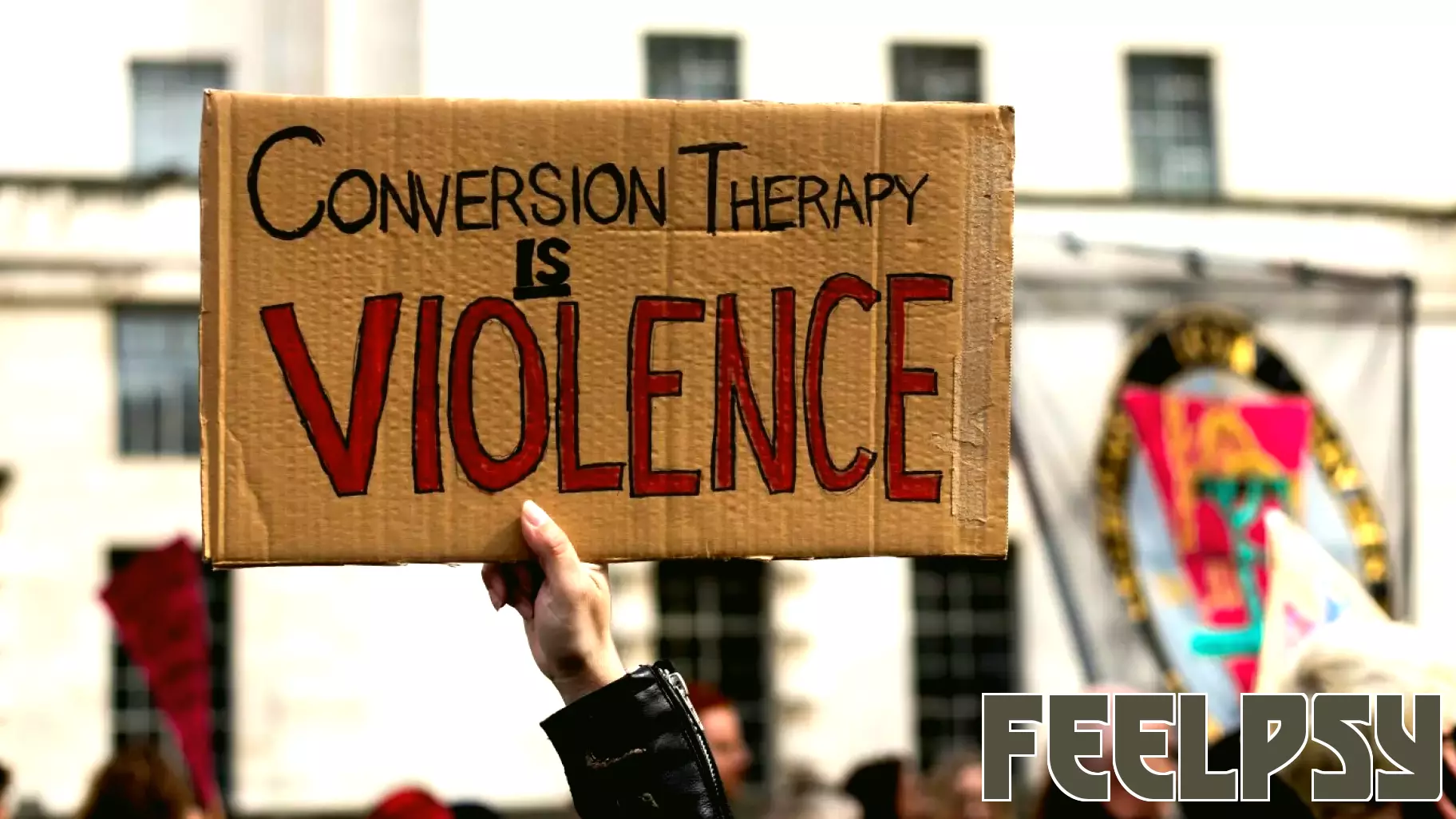
A recent decision by the U.S. Supreme Court has sent shockwaves through the mental health and LGBTQ+ advocacy communities, potentially jeopardizing state-level bans on conversion therapy. The ruling, which focused on free speech arguments, opens the door for legal challenges against existing laws that protect minors from these widely discredited practices.
Conversion therapy refers to a range of dangerous and pseudoscientific interventions that falsely claim to change a person’s sexual orientation or gender identity. Every major medical and mental health association in the nation, including the American Psychological Association and the American Medical Association, has condemned these practices. They are linked to severe psychological harm, including increased risks of depression, anxiety, substance abuse, and suicide among LGBTQ+ youth.
A therapist with extensive experience working with survivors of conversion therapy emphasizes the profound trauma these practices inflict. "The core message is that a fundamental part of who you are is broken and needs to be fixed," they explain. This internalized stigma can cause lasting damage to an individual's self-worth and mental well-being, often requiring years of supportive therapy to heal.
With the legal landscape now shifting, advocates warn that vulnerable youth could be exposed to greater risk. The focus, they argue, must remain on affirming, evidence-based care that supports an individual's identity rather than attempting to erase it. The ruling has ignited urgent calls for renewed legislative efforts and heightened public awareness to protect young people from these harmful practices.
MORE NEWS

October 6, 2026 - 13:45
Psychology says people who reread every work email before sending it may fear more than mistakes: Why the need to check, edit, and reread a simple message can be linked to anxiety, perfectionism, or fear of being judgedWe all know someone who finishes writing a short, harmless email and then reads it again. And again. They swap one word, change it back, and hover over the send button while imagining every...

October 5, 2026 - 22:02
Why Children Build Secret Hiding Places at HomeA blanket over two chairs. A space behind the sofa. A gap at the back of a wardrobe. Most parents have watched a child disappear into one of these improvised dens, sometimes for hours at a time....
October 5, 2026 - 09:48
Study Links Unequal Parenting to Internet Addiction in Chinese TeensA new study has found that adolescents who believe their parents treat them differently from their siblings may face a higher risk of internet addiction. The research, conducted among Chinese...

October 4, 2026 - 19:25
What Yoga Can Teach Us About Listening to OurselvesMany people step onto a yoga mat expecting a workout. They find something else instead. Between the postures and the breath, a quieter experience often appears. Practitioners describe it as a...