2 ‘Bad Habits’ That Mean You Are Intelligent, By A Psychologist
July 2, 2026 - 11:22
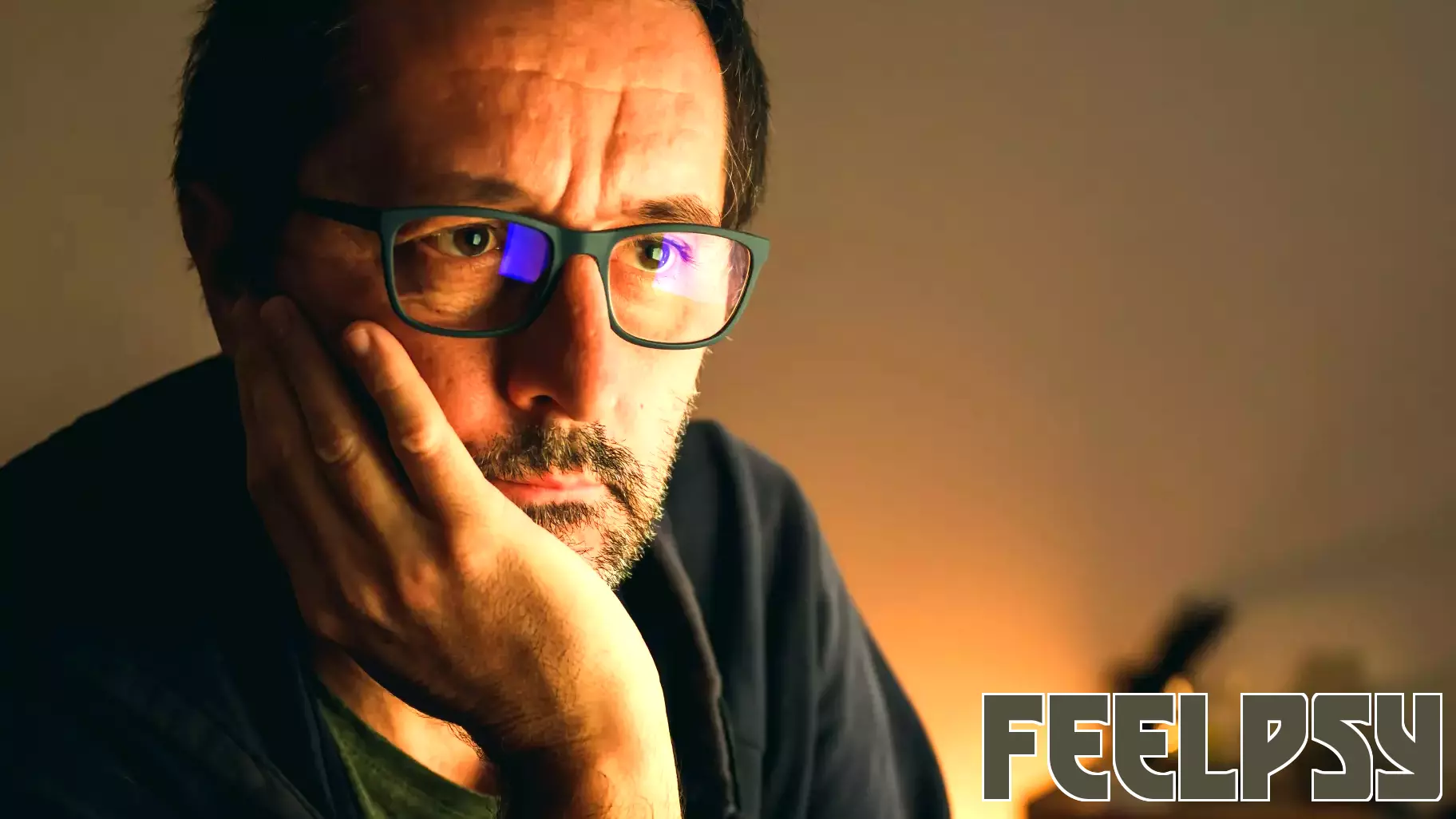
For years, people who overthink or procrastinate have been told to just buckle down and focus. But a growing body of psychological research suggests those so-called bad habits might actually be signs of a sharper mind. According to a recent analysis by a psychologist, both tendencies are linked to higher cognitive ability and more creative problem-solving.
The key idea is that overthinking is not the same as worrying. Intelligent people often engage in what researchers call "elaborative thought" - they explore multiple angles, consider counterfactuals, and simulate outcomes before acting. This can look like indecision, but it is actually a form of deep processing. Similarly, procrastination is not always laziness. The study points out that people with higher working memory capacity tend to delay tasks because they are subconsciously incubating ideas or waiting for the optimal moment to act.
The psychologist notes that these traits become problematic only when they cause distress or prevent action entirely. In moderation, however, they reflect a brain that is constantly scanning for patterns, questioning assumptions, and refusing to settle for the first answer. So the next time you catch yourself staring at a blank screen or replaying a conversation in your head, it might not be a failure of willpower. It could be your intelligence doing its job.
MORE NEWS

September 30, 2026 - 05:24
Three Habits of Healthy Distrust That Make You Harder to ManipulatePeople who are difficult to manipulate are not necessarily suspicious or cynical by nature. According to a psychologist, they simply practice a few habits of healthy distrust that protect them from...

September 29, 2026 - 22:52
Weapons worsen psychological harm in survivors of intimate partner violence, study findsNew research indicates that the involvement of guns or other weapons in intimate partner violence significantly raises the risk of severe mental health issues for women. The study found that when...

September 29, 2026 - 07:09
The Psychology Behind Why Travelers Seek Out Dark Tourism SitesTravelers increasingly visit locations tied to death, violence and tragedy. From murder houses to disaster zones, this form of travel known as dark tourism draws millions of people each year....

September 28, 2026 - 18:51
The Hidden Toll of Masking ADHD Symptoms Every DayADHD is not only about fidgeting, distractibility, forgetfulness or restlessness. It is also about the quiet effort adults put into hiding those symptoms as they move through work, school and...