Why Psychological Testing Is Critical in Forensic Psychology
5 December 2025
When you hear the word "forensics," your mind probably goes to crime scenes and CSI-style investigations. But there's a lesser-known side of forensics that’s just as important—maybe even more so: forensic psychology. At its core, this field blends the complex world of human behavior with the justice system. And you know what's at the heart of it all? Psychological testing.
Sounds intense, right? But don’t worry—I’m here to break it all down. This isn't just a bunch of dry academic jargon. Psychological testing in forensic psychology directly affects court decisions, criminal investigations, and even whether someone goes to jail or gets treatment instead. So yeah... it's kind of a big deal.
Let’s unpack why psychological testing is not just useful but absolutely critical in forensic psychology.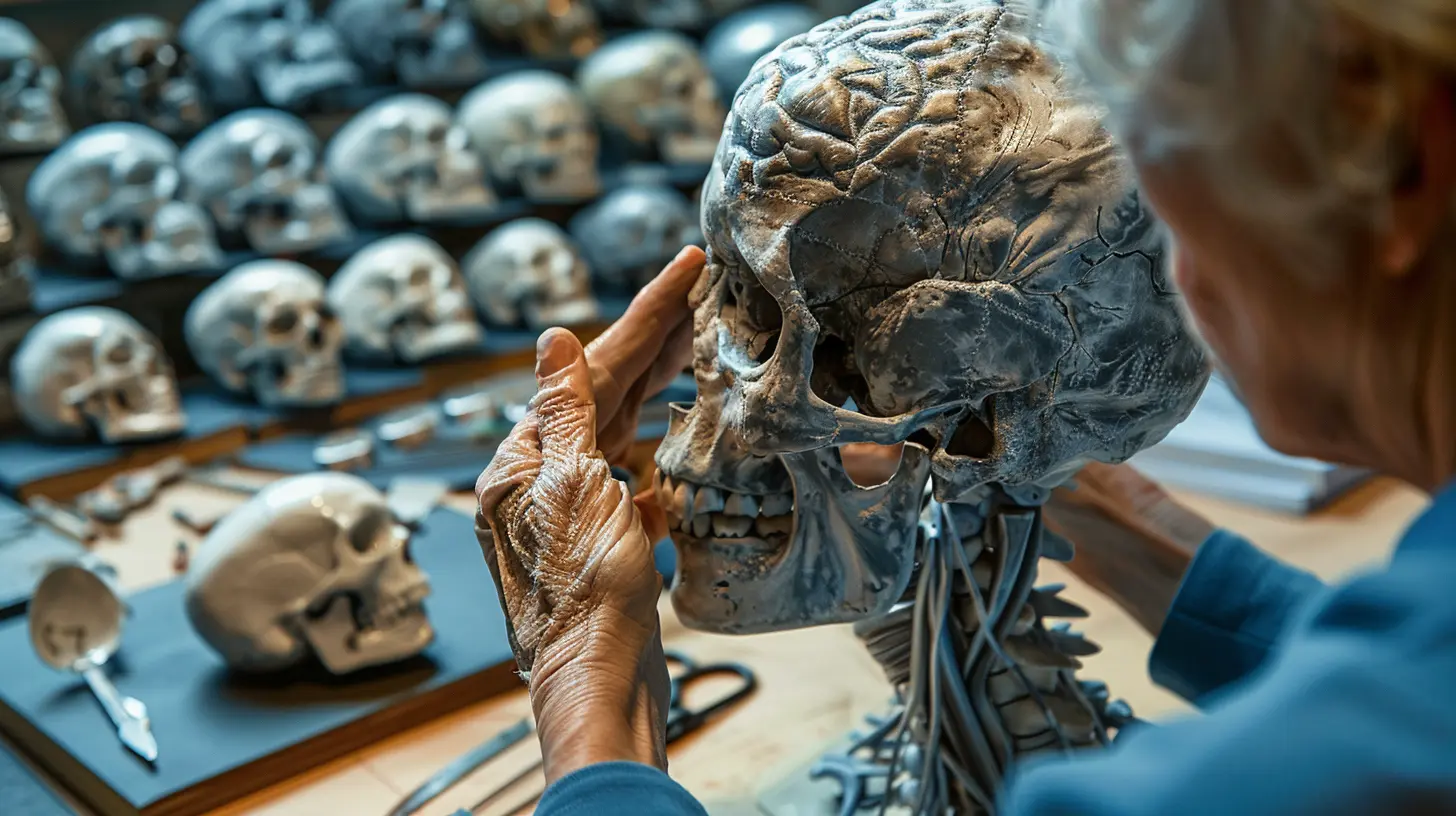
What Is Forensic Psychology, Anyway?
Before we jump into testing, let’s get on the same page. Forensic psychology is basically the application of psychological knowledge and methods to legal matters. Think of psychologists helping courts make decisions about whether someone is mentally stable, if a child should live with their mom or dad, or if a criminal truly understood what they were doing at the time of the offense.These psychologists often interact with attorneys, judges, parole officers, and law enforcement. Their work isn’t just emotional or philosophical—it has real-world implications.
The Role of Psychological Testing in Forensic Work
So where does psychological testing fit in? Everywhere.Psychological testing is a tool. Imagine trying to measure how tall someone is without a ruler. Kind of hard, right? That's what it's like trying to assess a person’s mental state without psychological tests. These tests offer structure, reliability, and objectivity. They help forensic psychologists make informed, evidence-based judgments rather than just relying on their “gut feelings.”
Let’s dive deeper.
Criminal Responsibility and Competency Evaluations
Ever heard the question, “Was the defendant insane at the time of the crime?”This question pops up a lot in courts, and the answer can literally mean life or death. Psychological testing plays a huge role in these kinds of evaluations. Here's how:
- Criminal Responsibility (aka the "Insanity Defense"): Tests help determine if a person was mentally capable of understanding their actions when the crime occurred. It’s not just about looking crazy—it’s about whether a mental disorder prevented someone from knowing right from wrong.
- Competency to Stand Trial: Some people are so mentally unwell that they can't even understand what’s happening in a courtroom. Psychological tests assess whether someone can participate in their own defense. If they can’t, they might go to a mental health facility instead of trial.
Imagine putting someone on trial who can't even comprehend what's being said. Tests ensure that doesn’t happen.
Risk Assessments: Predicting Future Behavior
Here’s a tough but necessary question: Should someone be released from prison or placed on probation?Psychological tests can help assess the likelihood of a person committing another crime or posing a threat to the community. These are called risk assessments. They're not crystal balls, but they're pretty close.
These assessments look at:
- Past behavior
- Personality traits
- Impulse control
- History of violence or substance abuse
They give the court a data-driven way to make high-stakes decisions. Think of it as the psychological equivalent of checking someone’s medical history before surgery—just smarter and more complex.
Child Custody Battles: Who’s Fit to Parent?
It’s not all crime and punishment. Forensic psychologists also weigh in on civil matters like child custody. And yep, psychological testing is front and center here too.When couples are battling over who should get custody, tests help evaluate:
- Parenting capacity
- Emotional stability
- Mental health status
- The child’s attachment to each parent
These tests offer a peek into the inner psychological world of the parents and sometimes even the kids. They help courts make choices that prioritize the child’s well-being, not just the slickest lawyer.
Detecting Malingering: Faking Mental Illness
This is where things get sneaky.Sometimes people pretend to have a mental disorder to avoid jail time, gain financial benefits, or influence a legal decision. This is called malingering, and yes—it happens more than you think.
Psychological tests are designed to catch inconsistencies, exaggerations, and flat-out falsehoods. These aren't just basic checklists; we’re talking about sophisticated tools that spot red flags even trained actors can’t fake.
Would you trust someone’s self-report alone when millions of dollars or jail time are at stake? Probably not. That's why testing is essential—it helps separate fact from fiction.
Evaluating Mental Illness and Personality Disorders
Diagnosing mental disorders isn’t just for therapists. In forensic psychology, understanding someone’s mental health is key to figuring out their motives, behavior, and potential risk.Psychological tests are used to:
- Diagnose schizophrenia, depression, bipolar disorder, and more
- Identify personality disorders like antisocial or borderline personality disorder
- Assess impulse control issues and emotional regulation
This info isn’t just labeled and filed away—it directly influences legal outcomes. Judges use these assessments to make decisions about sentencing, rehabilitation, and treatment plans.
Standardized Tests: Bringing Objectivity to the Courtroom
One of the biggest reasons psychological testing is critical? It brings consistency and objectivity.Let’s face it: human judgment can be biased. But standardized tests are designed to minimize that. Tests like the MMPI-2 (Minnesota Multiphasic Personality Inventory), WAIS (Wechsler Adult Intelligence Scale), and PCL-R (Psychopathy Checklist) offer concrete data.
They’re structured, researched, and tested for reliability and validity—fancy words that basically mean “they work.”
So when a forensic psychologist presents a test result in court, it holds real weight. It’s not just opinion—it’s scientifically-backed evidence.
Ethical and Legal Safeguards
Psychological testing isn’t just about getting answers—it’s also about protecting people’s rights.Because these tests can influence huge decisions, there are strict ethical guidelines:
- Informed consent
- Confidentiality (when possible)
- Cultural fairness in testing
- Only qualified professionals can administer and interpret
You wouldn’t want someone using your mental health against you without proper training, right? That’s why forensic psychologists follow rigorous rules, and testing helps ensure fairness and transparency in the justice system.
Real-Life Impact: How One Test Can Change a Verdict
Let’s say a defendant is charged with a violent assault. But they insist they don’t remember anything—they blacked out.A forensic psychologist steps in, administers a series of tests, and finds evidence of a serious dissociative disorder. Suddenly, everything changes. The court now has to consider whether that mental state affected the crime. The outcome? A possible shift from prison time to mental health treatment.
That’s the power of psychological testing in action.
The Future of Forensic Assessment
Psychological testing isn’t stuck in the past. With advancements in tech and brain science, forensic assessments are evolving.We’re seeing:
- Computerized testing for quicker results
- Integration with neuroimaging data
- AI tools assisting in risk assessment
Still, one thing remains clear: no matter how fancy the tools get, we’ll always need human expertise to interpret them. Psychological testing isn’t just about numbers—it’s about understanding people. And that will never go out of style.
Final Thoughts
When it comes down to it, forensic psychology is all about understanding the “why” behind human behavior—especially in complex legal situations. Psychological testing provides the map. Without it, we’re navigating the justice system blindfolded.It helps courts make smart, fair decisions. It protects the vulnerable. It catches deception. It offers insight into the human mind when we need it most.
So, the next time you hear about a high-profile court case or a custody battle on the news, remember: behind the scenes, psychological testing is probably playing a crucial role. And thank goodness for that.
all images in this post were generated using AI tools
Category:
Psychological TestingAuthor:

Ember Forbes
Discussion
rate this article
1 comments
Nix Cain
Psychological testing in forensic psychology is essential for assessing competency, risk, and mental state. It provides objective data that supports legal decisions, aids in treatment planning, and ensures that justice is served with a clear understanding of an individual’s psychological profile.
December 8, 2025 at 5:41 AM
Ember Forbes
Thank you for highlighting the vital role of psychological testing in forensic psychology. It indeed provides crucial insights that enhance legal outcomes and support effective treatment.