When Should You Consider Psychological Testing for Your Child?
8 June 2026
As a parent, you likely know your child better than anyone else. You notice every quirk, every smile, and every frown. But what happens when something seems... well, off? Maybe your child struggles academically, can't seem to focus, or behaves in ways that leave you scratching your head. It can be confusing, even overwhelming, to figure out what’s going on.
That's where psychological testing comes into play. But when is the right time to consider it for your child? This article will walk you through the signs, benefits, and what to expect if you’re thinking about psychological testing for your little one.
What is Psychological Testing?
Let’s start with the basics. Psychological testing is a formal process that helps professionals understand a child’s cognitive, emotional, behavioral, and academic functioning. It’s not just one test but rather a series of assessments designed to paint a comprehensive picture of how your child’s brain works.These tests aren’t like the ones you’d find in school. They dig deeper, exploring things like:
- Cognitive abilities (think IQ, memory, problem-solving skills)
- Behavioral patterns (do they act out? Have trouble with impulse control?)
- Emotional health (are they anxious, depressed, or showing signs of emotional distress?)
By gathering all this information, a psychologist can help identify any underlying issues and recommend interventions that can make a world of difference for your child.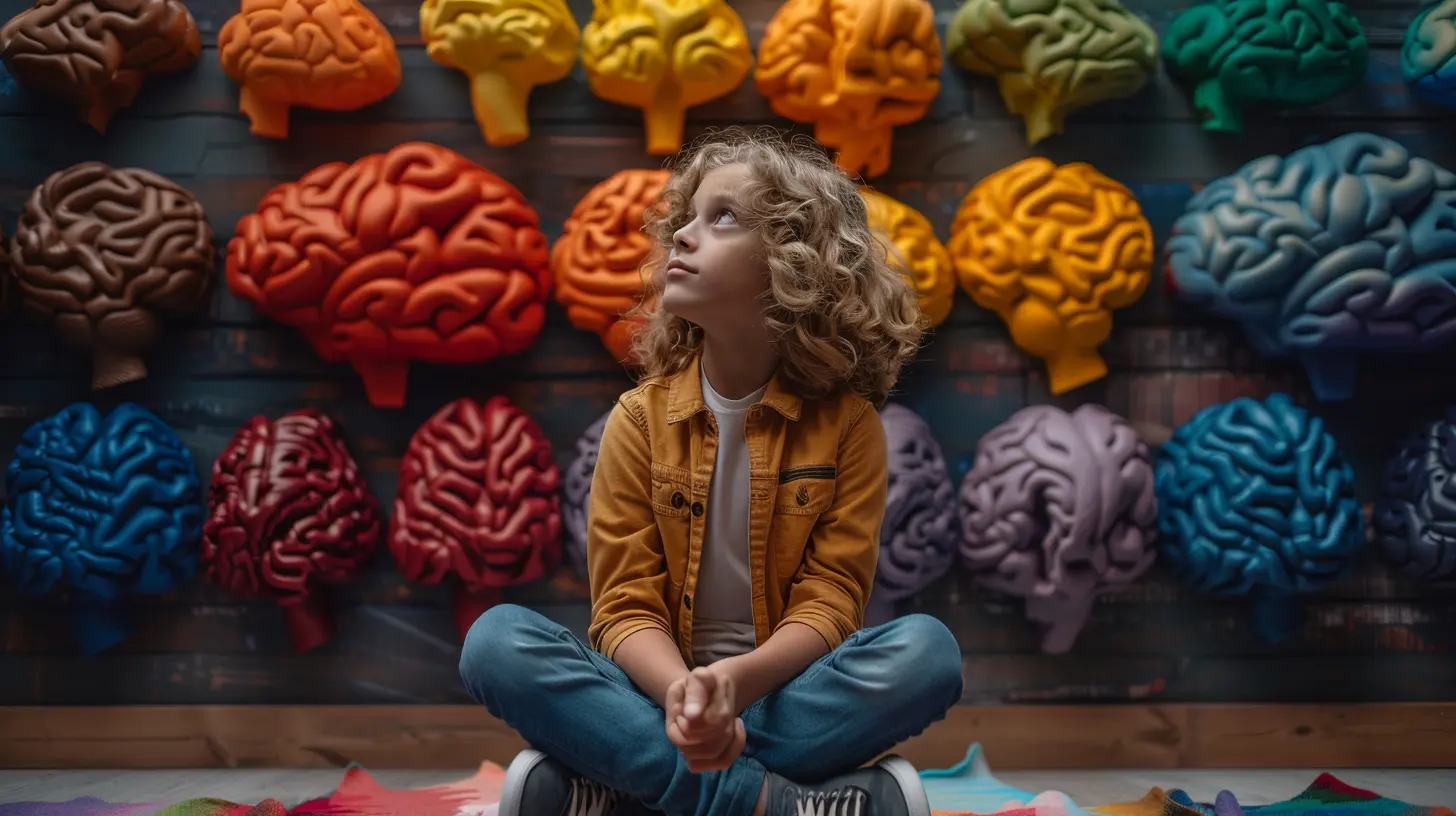
Why Would a Child Need Psychological Testing?
That’s a great question and one that many parents ask. Psychological testing is not something you wake up one day and decide to do on a whim. Usually, there are signs that your child might benefit from this kind of evaluation.1. Struggling Academically
If your child is consistently falling behind in school, despite your attempts to help, it might not just be laziness or lack of effort. Learning disabilities like dyslexia, ADHD (Attention-Deficit/Hyperactivity Disorder), or processing disorders can make school incredibly challenging. Psychological testing can pinpoint whether there’s an underlying issue that’s been flying under the radar.2. Behavioral Problems
Has your child suddenly started exhibiting aggressive behavior, or maybe they’re withdrawing from social situations? If your child’s behavior seems out of character, it could be a sign of emotional or psychological difficulties. Testing can help identify whether something like anxiety, depression, or even oppositional defiant disorder (ODD) is at play.3. Difficulty with Social Skills
Does your child have trouble making or keeping friends? Are they struggling with social interactions at school or in other settings? Social difficulties can be a sign of conditions like autism spectrum disorder (ASD) or social anxiety. Psychological testing can offer insights into why your child might be struggling to connect with others.4. Emotional Issues
If your child seems excessively sad, anxious, or angry, it’s worth considering psychological testing. While all kids go through emotional phases, prolonged or intense emotional disturbances could signify something more serious, like depression or an anxiety disorder. Early intervention can help prevent these issues from worsening.5. Developmental Delays
Is your child hitting their milestones later than expected? Maybe they’re not talking, walking, or interacting with peers as they should for their age. Developmental delays can be a sign of various conditions that might benefit from early intervention. Testing can help clarify whether your child’s development is on track or if additional support is needed.
When to Consider Psychological Testing for Your Child
Okay, so you’ve noticed that something isn’t quite right. But when do you take that extra step and seek out psychological testing? Here are a few key times when it might be a good idea to consider it:1. When Concerns Persist Over Time
It’s normal for kids to have off days or even off weeks. Maybe they’re going through a growth spurt, or they’re just adjusting to a new school environment. However, if you’ve been noticing the same troubling behavior for months, or even longer, it’s probably time to dig deeper.2. When School Interventions Aren’t Working
If your child’s school has tried different strategies to help them succeed, like tutoring or behavior plans, but nothing seems to be clicking, it could be a sign that more specialized help is needed. Psychological testing can provide the school with the specific tools and resources they need to better support your child.3. When Your Gut Tells You Something is Wrong
Trust your instincts. As parents, we often second-guess ourselves, but if you feel like something is off with your child, you’re probably right. If you’ve tried everything you can think of and nothing seems to help, psychological testing might be the next logical step.4. When a Healthcare Provider Recommends It
Sometimes, your child’s pediatrician or another healthcare provider may suggest psychological testing. They might notice developmental delays, behavioral issues, or mood concerns during regular check-ups. If they suggest testing, it’s worth considering.
What to Expect During Psychological Testing
The idea of psychological testing can sound a bit intimidating, but knowing what to expect can make the process less daunting.1. The Initial Consultation
Before any tests are administered, you’ll typically meet with the psychologist to discuss your concerns. This is your chance to share everything you’ve noticed—whether it’s struggles in school, unusual behavior, or emotional difficulties. The psychologist will ask a lot of questions to gather as much information as possible.2. The Testing Process
The actual testing process can take anywhere from a few hours to several days, depending on the complexity of the case. Your child will complete a variety of assessments, which may include:- Cognitive tests: These assess intellectual abilities like memory, problem-solving, and reasoning.
- Behavioral checklists: You and your child’s teachers may be asked to complete forms that evaluate your child’s behavior in different settings.
- Emotional assessments: These explore how your child feels and copes with emotions like anxiety, sadness, or anger.
The psychologist will make the testing process as comfortable as possible, and they often use age-appropriate activities to keep your child engaged.
3. The Results and Recommendations
After the testing is complete, the psychologist will compile the results and meet with you to discuss their findings. This is where you’ll get a clearer picture of what’s going on with your child. The psychologist will explain any diagnoses, if applicable, and provide recommendations for treatment or interventions.Remember, the goal of psychological testing isn’t just to label your child. It’s to understand their unique strengths and challenges so that you can get them the support they need.
The Benefits of Psychological Testing
You might be wondering, “Why go through all this? What’s the benefit?” Here’s the thing: psychological testing can be life-changing for your child.1. Early Intervention
When issues like learning disabilities, ADHD, or emotional disorders are identified early, interventions can be put into place to help your child thrive. Early intervention can prevent small problems from becoming bigger issues down the road.2. Tailored Support
One of the best things about psychological testing is that it provides a roadmap for how to help your child. Whether it’s academic accommodations, therapy, or social skills training, psychological testing can ensure that your child gets the specific support they need.3. Peace of Mind
For parents, psychological testing can provide a sense of relief. Instead of wondering what’s wrong, you’ll have clear answers and a plan for moving forward. That peace of mind is invaluable.Common Misconceptions About Psychological Testing
Psychological testing can sometimes carry a stigma, but it’s important to clear up a few misunderstandings.1. “Psychological Testing Will Label My Child”
A common concern is that psychological testing will label your child in a negative way. But psychological testing isn’t about sticking a label on your child. It’s about understanding their unique needs so they can get the right support.2. “My Child Will Grow Out of It”
While it’s true that some issues resolve on their own, many emotional, behavioral, and learning difficulties persist without intervention. Don’t wait too long hoping your child will grow out of it. Early intervention is key to helping your child succeed.Conclusion
If you’re concerned about your child’s development, behavior, or emotional well-being, psychological testing could provide the answers you’re looking for. It’s not a magic bullet, but it’s an incredibly powerful tool to help you understand your child’s unique needs and get them the support they deserve. Trust your instincts, and don’t be afraid to reach out for help. Your child’s future is worth it.all images in this post were generated using AI tools
Category:
Psychological TestingAuthor:

Ember Forbes
Discussion
rate this article
1 comments
Jessamine Matthews
So, should you consider psychological testing for your child? If they talk to their imaginary friend about their deep existential crises or insist their stuffed animals are plotting world domination, it might be time. Just remember, even little ones can have some serious thoughts... or silly ones!
June 18, 2026 at 3:00 AM
Ember Forbes
It's always good to be attentive. Imaginary friends can be normal, but if your child's thoughts seem concerning or intense, it might be worth discussing with a professional. Balance is key.