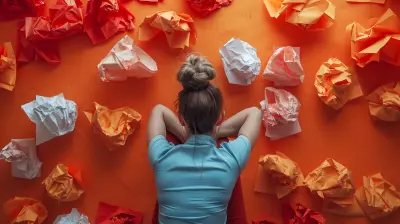
Using Meditation to Strengthen Your Coping Skills
17 January 2026
Life can be a rollercoaster, right? One minute you're cruising along, and the next, it feels like the world’s weight is crashing down on your shoulders. Stress, anxiety, and daily challenges are inevitable parts of life, but how we handle them makes all the difference. Enter meditation. This ancient practice isn't just about sitting cross-legged, humming "om" for hours. It’s about transforming how you cope with life’s ups and downs. So, if you're looking for a way to sharpen your coping skills and bring more calm into your life, meditation may be the key you’ve been searching for.

Why Coping Skills Matter
Before we dive deep into meditation, let's get clear on why coping skills are so crucial. Coping skills are your mental and emotional toolkit for dealing with stress, adversity, and change. Without strong coping mechanisms, even minor challenges can feel overwhelming. But when you have solid strategies, you can manage stress more effectively, keep anxiety at bay, and maintain your mental health.Think of your coping skills as the foundation of a house. If the foundation is weak, even a small storm can cause significant damage. But if it's sturdy, your house (or in this case, your mental well-being) remains resilient, no matter what life throws your way.

What is Meditation?
Now, let's clear the air: Meditation isn’t just about shutting off your thoughts or achieving some unattainable level of zen. At its core, meditation is about awareness and presence. It’s training your mind to focus, stay in the present moment, and cultivate a sense of calm.There are different types of meditation, from mindfulness to transcendental meditation, but they all share one common goal: helping you tune into the present moment and navigate life’s challenges with more clarity and less stress.
Common Types of Meditation:
1. Mindfulness Meditation: Focus on your breath or a specific object while noticing thoughts without judgment.2. Loving-Kindness Meditation (Metta): Develop feelings of compassion and love for yourself and others.
3. Body Scan Meditation: Bring awareness to different parts of your body, noticing sensations or tension.
4. Guided Meditation: Led by a guide or audio recording, this type walks you through a specific visualization or focus.
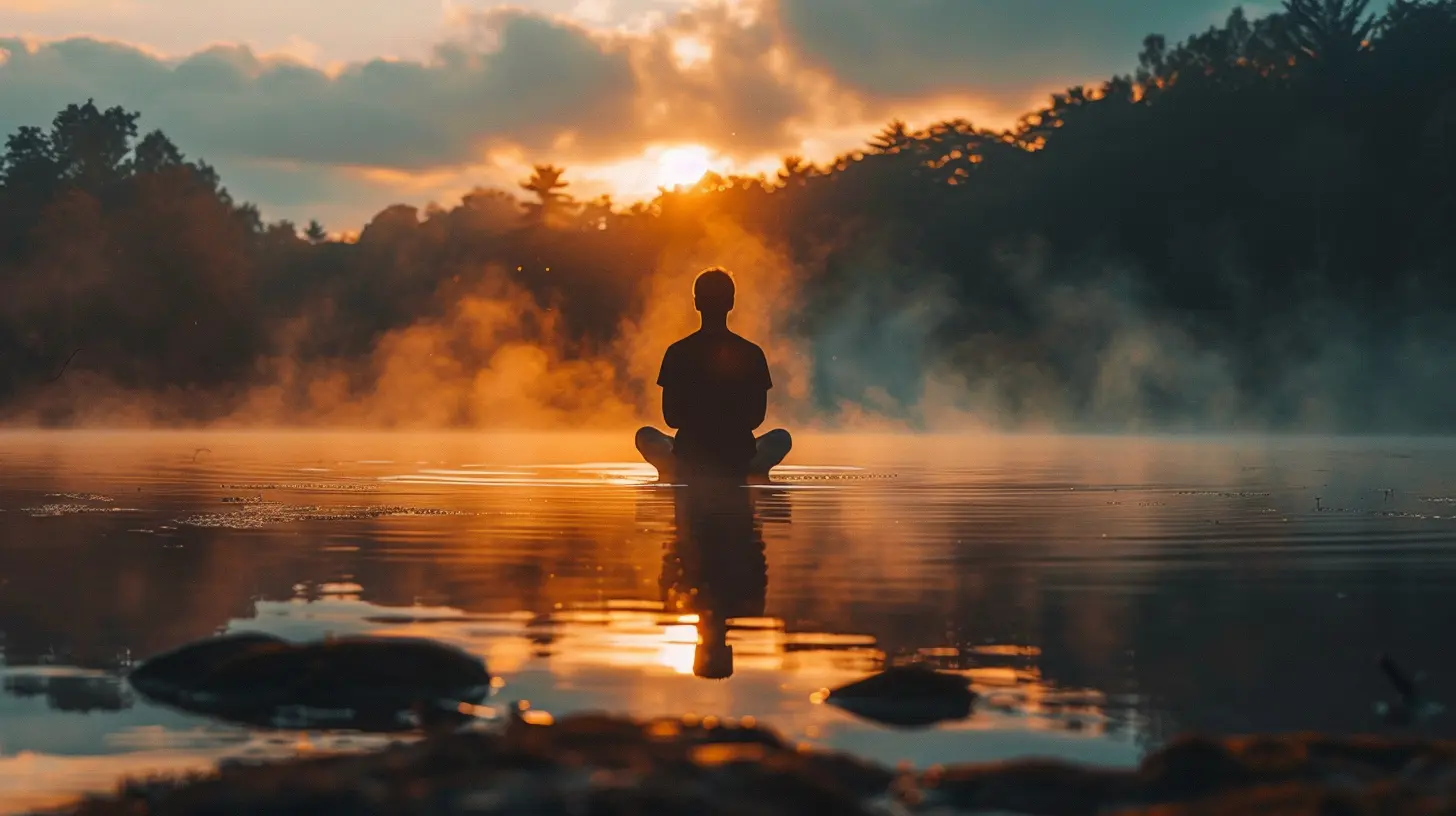
How Meditation Strengthens Coping Skills
1. Reduces Stress and Anxiety
Let’s be honest: Stress is inevitable. Whether it’s a looming deadline, personal conflict, or unexpected curveball, life will throw stressful situations your way. But meditation teaches you not to react impulsively.When you meditate, you're training your brain to observe your emotions and thoughts without letting them spiral out of control. Over time, this practice helps reduce your body's stress response. Instead of immediately reacting to stress, you give yourself space to respond thoughtfully.
Ever notice how some people seem to stay calm under pressure while others crumble? Often, it's not that the calm individuals don't feel stress; it's that they've learned coping strategies — like meditation — that help them manage it better.
2. Improves Emotional Regulation
Emotions can be messy, unpredictable, and sometimes overwhelming. Meditation helps you regulate your emotions by increasing your awareness of them. When you're more aware of your emotional patterns, you have the power to control how you respond, rather than just reacting out of habit.For example, during heated arguments or challenging situations, those who meditate regularly are often better at stepping back, taking a breath, and responding without being overpowered by anger or frustration. This kind of emotional regulation is a game-changer for anyone looking to strengthen their coping skills.
3. Increases Self-Awareness
One of the most powerful tools in your coping toolkit is self-awareness. How often do we go through life on autopilot, reacting to situations without even realizing why we feel a certain way? Meditation helps you hit the pause button and reflect on your internal world.By regularly meditating, you become more in tune with your thoughts, feelings, and triggers. This awareness can help you identify unhelpful thought patterns or automatic reactions that aren’t serving you. Once you’re aware of those patterns, you can begin to reframe them or choose more constructive responses.
4. Enhances Focus and Concentration
Have you ever felt like your mind is running a mile a minute, jumping from one thought to the next? Meditation is like strength training for your brain, helping you build focus and concentration. And when you can focus better, you're less likely to get overwhelmed by multiple stressors at once.When life feels chaotic, the ability to concentrate on one thing at a time can be a huge relief. Meditation helps you develop this focus, so instead of being swept away by every little worry, you can tackle problems one step at a time.
5. Builds Resilience
Life isn’t always going to go your way — that's just a fact. But resilience is what helps you bounce back from setbacks, challenges, and adversity. Meditation helps cultivate this resilience by teaching you to stay grounded even when the world around you feels uncertain.When you practice meditation, you're training your mind to remain calm and centered, even in the face of difficulty. Over time, this builds emotional and mental resilience, helping you cope more effectively with whatever life throws your way.
6. Promotes Positive Thinking
Let’s face it, our minds are wired for negativity. It's a survival mechanism left over from our ancestors, who needed to be on high alert for danger. But in today's world, this negativity bias often leads to excessive worry, anxiety, and stress.Meditation helps shift this negative thinking pattern by promoting positivity and gratitude. Through practices like loving-kindness meditation, you can cultivate a more positive mindset, making it easier to cope with difficult situations.
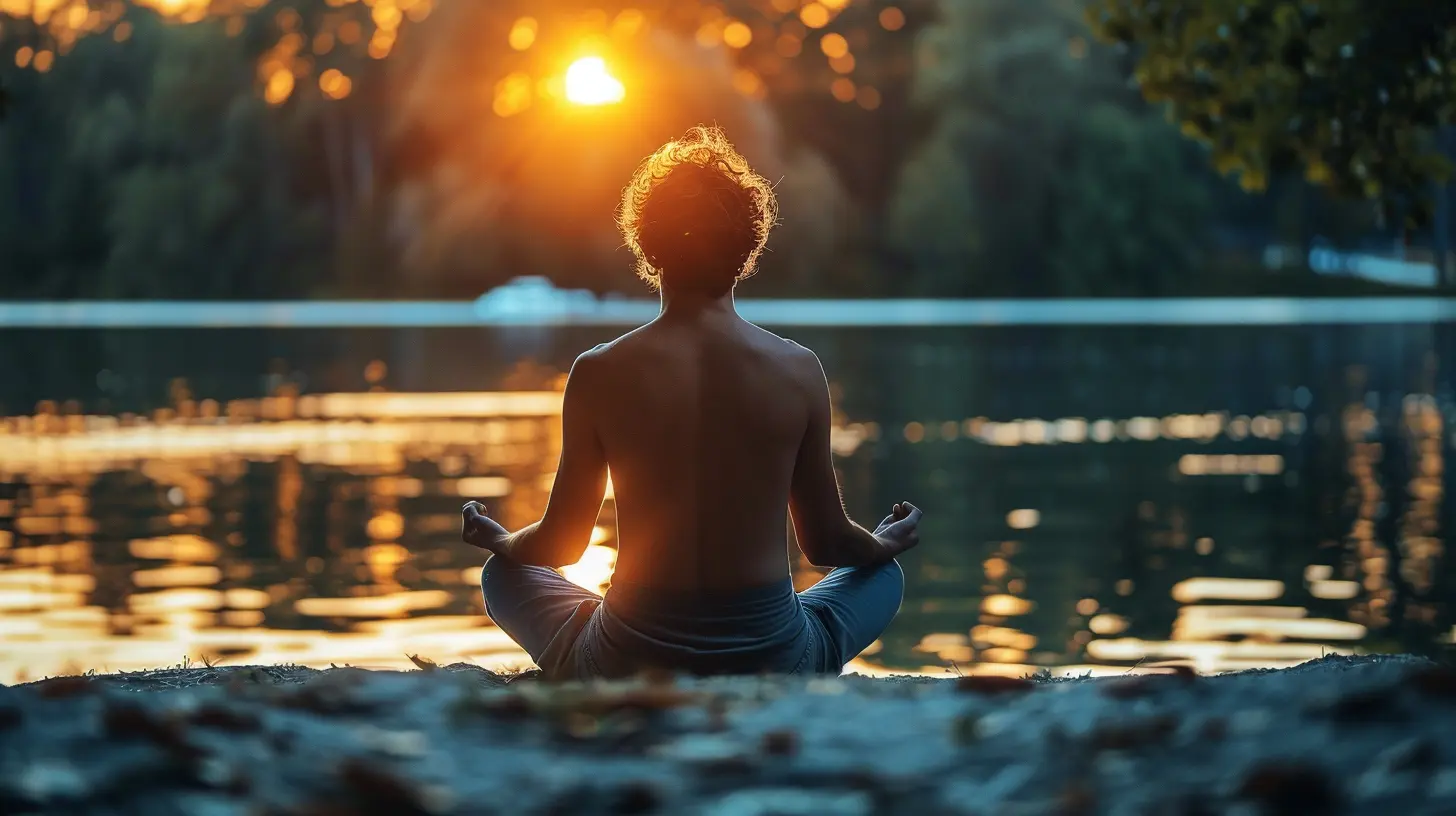
How to Start Meditating for Better Coping Skills
By now, you might be thinking, “Okay, I’m sold. How do I start?” The good news is, you don’t need a fancy setup or hours of free time to begin meditating. Here’s a simple guide to get started:1. Find a Quiet Space
You don’t need a dedicated meditation room. Just find a quiet spot where you won’t be disturbed. It could be your bedroom, living room, or even a corner of your office.2. Set a Timer
If you're new to meditation, start small. Set a timer for 5-10 minutes. As you get more comfortable, you can gradually increase your time.3. Focus on Your Breath
Sit comfortably, close your eyes, and focus on your breath. Notice the sensation of air entering and leaving your body. If your mind wanders (and it will), gently bring your focus back to your breath. No judgment, no frustration — just awareness.4. Experiment with Different Types
There’s no one-size-fits-all approach to meditation. Try different types (mindfulness, loving-kindness, body scan) to see what resonates with you. You might also find guided meditations helpful, especially as a beginner.5. Be Consistent
Like any skill, meditation requires consistency. Try to carve out time each day to practice, even if it’s just a few minutes. Over time, you’ll start to notice the benefits in how you cope with stress and challenges.Integrating Meditation Into Your Daily Life
The magic of meditation doesn’t just happen on the cushion. One of the most powerful aspects of meditation is that it can influence your entire day. Here’s how you can integrate mindfulness into your daily life:- Mindful Mornings: Start your day with a short meditation session to set a calm, focused tone.
- Mindful Eating: Pay attention to the taste, texture, and sensation of every bite you eat.
- Mindful Breaks: Throughout the day, take short breaks to focus on your breath and center yourself.
- Mindful Conversations: Practice listening fully when others speak, without planning your next response.
By practicing mindfulness throughout your day, you reinforce the coping skills you've cultivated through meditation.
Conclusion: Meditation as Your Mental Toolkit
At the end of the day, meditation isn’t a magic cure-all, but it is a powerful tool for strengthening your coping skills. By reducing stress, improving emotional regulation, increasing self-awareness, and building resilience, meditation equips you to handle life’s challenges with more grace and ease.Incorporating meditation into your routine is like giving your mind regular mental workouts. And just like exercising your body makes you physically stronger, exercising your mind through meditation will make you mentally and emotionally stronger. So, the next time life gets tough, you’ll be ready — calm, grounded, and equipped with the coping skills you need.
all images in this post were generated using AI tools
Category:
Coping MechanismsAuthor:

Ember Forbes
Discussion
rate this article
2 comments
Parker Fields
This article insightfully highlights the benefits of meditation for coping skills. It’s refreshing to see a practical approach that combines mindfulness with emotional resilience—definitely worth a try for anyone struggling.
February 3, 2026 at 3:26 PM
Ember Forbes
Thank you for your thoughtful comment! I'm glad you found the insights on meditation and emotional resilience valuable. Happy meditating!
Thalia Stone
This article beautifully highlights how meditation can enhance our resilience. It's a gentle reminder to prioritize our mental well-being.
January 19, 2026 at 4:13 AM
Ember Forbes
Thank you! I'm glad you found the article impactful and resonated with the importance of mental well-being through meditation.