Toxic Positivity and the Silence Around Mental Health
29 August 2026
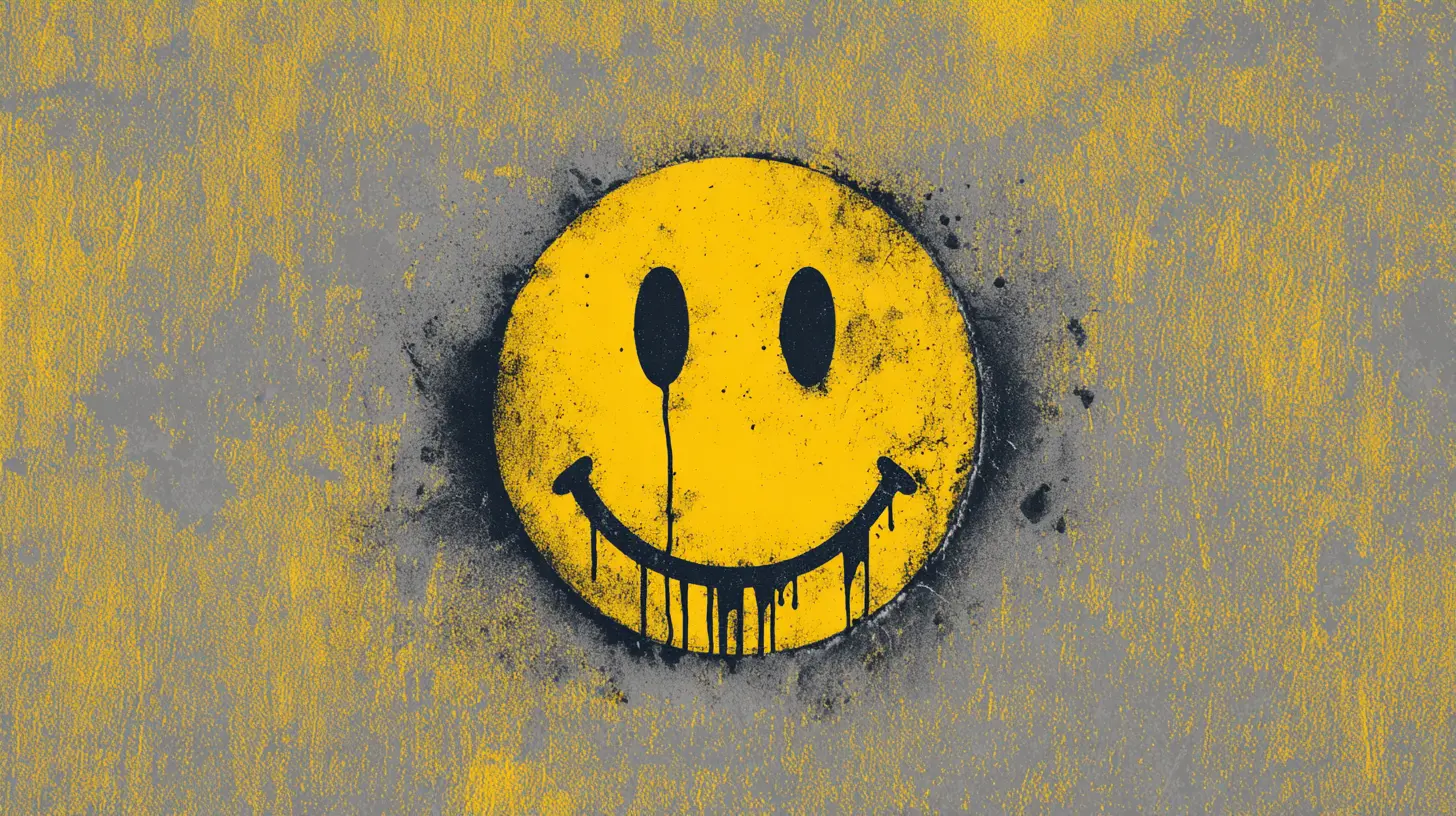
It starts with good intentions. A friend is struggling, and you want to help. You say, "Just stay positive," or "Look on the bright side." These phrases feel supportive. They are not. They are the building blocks of toxic positivity, a cultural habit that tells people their real emotions are inconvenient, wrong, or shameful. And when that habit takes hold, it does not just fail to help. It actively silences the very conversations that could lead to healing.
The problem is not optimism. The problem is the demand for optimism at all costs. This article examines where that demand comes from, how it damages mental health, and what we can do instead. It also looks at the uncomfortable truth that our silence around mental health is often a choice, not an accident, and that choosing to speak honestly requires more than a few nice words.

What Toxic Positivity Actually Is
Toxic positivity is the belief that no matter how difficult a situation is, people should maintain a positive mindset. It rejects genuine emotional experiences in favor of a forced, superficial cheerfulness. It is not the same as healthy optimism. Healthy optimism acknowledges a problem and looks for a realistic path forward. Toxic positivity skips the acknowledgment entirely and jumps straight to "it will be fine."Consider the difference. You lose your job. A healthy optimistic friend says, "That is hard. You must be scared. Let us look at your options together." A toxic positive response says, "Everything happens for a reason. You will find something better. Do not dwell on it." The first response validates your reality. The second response dismisses it. The second response also implies that your fear and sadness are personal failures, things you should hide or fix quickly.
The phrase "everything happens for a reason" is perhaps the most common example. It sounds wise. It is actually a way of saying that your pain is part of a plan you cannot understand, so there is no point in discussing it. That is not comfort. That is a conversation ender.

The Psychological Cost of Forced Positivity
When people suppress negative emotions, those emotions do not disappear. They go underground. Research in psychology consistently shows that emotional suppression increases physiological stress. Your heart rate goes up. Your blood pressure rises. Your body stays in a state of alert even when your face is smiling.Over time, this creates a split between what you feel and what you show. That split is exhausting. It also erodes self-trust. If you are constantly telling yourself that your feelings are wrong, you stop believing your own judgment. You start to question whether your reactions to events are legitimate. You may even begin to feel guilty for having normal human responses to loss, disappointment, or injustice.
This is where the silence begins. If you believe your emotions are invalid, you will not share them. You will not ask for help. You will say "I am fine" when you are not. And the people around you, who are also practicing toxic positivity, will accept that answer because it is comfortable. The result is a collective silence. Everyone is struggling, and everyone is pretending not to.

The Social Pressure to Appear Okay
Toxic positivity does not exist in a vacuum. It is reinforced by social norms, workplace culture, and even social media. On platforms like Instagram and LinkedIn, people curate lives that look successful, happy, and stable. The "hustle culture" celebrates people who push through pain without complaint. The wellness industry sells the idea that happiness is a choice you make every day.These messages have a real effect. They create an environment where admitting struggle feels like admitting failure. A person who says "I am really struggling with my anxiety" might be met with a list of breathing techniques or a suggestion to try gratitude journaling. Those tools have value. But offering them as a response to a vulnerable confession is a way of changing the subject. It says, "I do not want to sit with your pain. Here is a task you can do alone."
This is especially hard for men. Traditional masculinity often equates emotional expression with weakness. A man who says he is depressed may face ridicule or dismissal. He learns to stay quiet. The silence becomes a habit. And habits are hard to break.
The Difference Between Support and Fixing
One of the biggest mistakes people make when trying to support someone is trying to fix the problem. This comes from a good place. You see a friend in pain and you want to make it stop. But most emotional pain cannot be fixed with a solution. It needs to be witnessed.When you say "just be positive," you are trying to fix. When you say "I am sorry you are going through this," you are witnessing. The first response shuts down communication. The second opens it. The first response also puts pressure on the person to change their feelings. The second puts no pressure at all.
A better approach is to ask questions. "What is that like for you?" "How long have you felt this way?" "What has been the hardest part?" These questions do not offer solutions. They offer space. And space is often what a struggling person needs most.
There is a time and place for advice. If someone explicitly asks for it, give it. If they do not, hold off. Even when advice is requested, frame it as a possibility, not a prescription. Say "One thing that has helped others is..." rather than "You should..." The first phrasing respects the person's autonomy. The second implies they are doing something wrong.
The Role of Language in Mental Health
Words matter more than most people realize. The language we use to talk about mental health shapes how we think about it. Calling someone "crazy" or "dramatic" dismisses their experience. Saying "I am so OCD" when you mean you like things tidy trivializes a serious disorder. These casual uses of clinical terms create confusion and stigma.Toxic positivity has its own vocabulary. Phrases like "good vibes only," "stay strong," and "choose happiness" sound empowering. They are actually demands. They tell people that their current state is unacceptable and that they have a duty to change it. This is not support. It is control.
On the other hand, neutral and accepting language can be transformative. Saying "It is okay to not be okay" has become a cliche, but the underlying idea is solid. It gives permission to struggle. It normalizes the reality that human beings have a wide range of emotions, and that none of them are illegitimate.
When you talk to someone about their mental health, avoid minimizing their experience. Do not say "It could be worse" or "Other people have it harder." That is a comparison, not a comfort. It invalidates their pain. Instead, say "That sounds really hard" or "I can see why you feel that way." These phrases acknowledge the person's reality without judgment.
Why Silence Is So Dangerous
Silence around mental health has real consequences. It prevents people from seeking help early, when treatment is most effective. It increases feelings of isolation and shame. It can even be fatal. Many people who die by suicide have told someone about their intent beforehand. But those warnings are often dismissed as attention-seeking or exaggeration. That dismissal is a form of toxic positivity. It is the belief that the person cannot really be in that much pain.The silence also affects how mental health services are funded and prioritized. When people do not talk about their struggles, the issue remains invisible. Governments and organizations allocate resources based on visible needs. A silent epidemic is easy to ignore.
Breaking the silence does not mean forcing everyone to talk. It means creating an environment where talking is safe. That requires patience, confidentiality, and a willingness to hear things that make you uncomfortable. It also requires accepting that some people will never want to talk. That is their right. The goal is not to make everyone share. The goal is to make sharing possible.
Practical Steps for Responding to Someone in Pain
If you want to be a better support person, start with these behaviors.First, listen without interrupting. This sounds simple, but it is hard. Most people listen with the intent to reply, not to understand. When someone is talking about their mental health, they are often working through their thoughts in real time. If you jump in with advice, you cut that process short. Let them finish. Even if there is a long pause, let them fill it.
Second, validate their feelings. You do not have to agree that their reaction is proportional to the event. You just have to agree that they feel the way they say they feel. Saying "That makes sense" is powerful. It does not mean "You are right about everything." It means "I see you and I hear you."
Third, offer concrete help without being asked. Instead of saying "Let me know if you need anything," say "I am bringing dinner on Thursday" or "I can watch the kids on Saturday." People in pain often do not have the energy to ask for help. Removing that burden is a practical act of care.
Fourth, check in later. A single conversation is not enough. Mental health struggles are ongoing. A text message a week later that says "Still thinking about you" can mean a lot. It shows that the person is not a burden. It shows that your support was not a one-time performance.
When Positivity Is Appropriate
It would be a mistake to say that all positivity is toxic. Positive emotions are essential. They build resilience, strengthen relationships, and improve health. The problem is not optimism. The problem is optimism that is imposed on others.There are times when a positive reframe is genuinely helpful. If someone is catastrophizing, if they are convinced that a minor setback is the end of the world, a gentle reality check can be useful. But even then, the reframe should come after validation. You say "I understand why you are upset. This is disappointing. At the same time, let us think about what we can control." That is not toxic. That is balanced.
Toxic positivity becomes a problem when it is used as a defense mechanism. Some people use positive phrases to avoid their own discomfort. When a friend shares something painful, it triggers your own anxiety. You want to escape. "Everything will be fine" is a way of escaping. It protects you, not the other person.
If you notice yourself doing this, ask why. Are you afraid of the conversation? Are you unsure what to say? Are you uncomfortable with strong emotions? The answer will tell you what you need to work on. The goal is not to become a perfect listener. The goal is to become aware of your own patterns and to choose responses that serve the other person.
The Misconception That Self-Care Is Always Positive
Self-care is often presented as a joyful activity. Bubble baths, face masks, and spa days. But real self-care is not always pleasant. Sometimes it means setting a boundary and saying no. That is uncomfortable. Sometimes it means going to therapy and confronting painful memories. That is not relaxing. Sometimes it means admitting you need help. That is humbling.The wellness industry has turned self-care into a product. It sells the idea that you can buy your way to mental health. But mental health is not a purchase. It is a practice. And the practice often involves discomfort.
Self-care also includes allowing yourself to feel bad. This is counterintuitive, but it is true. When you give yourself permission to be sad, angry, or scared, those emotions lose their power. They become manageable. When you suppress them, they grow. So self-care is not about feeling good. It is about feeling honestly.
How to Create a Culture of Honest Conversation
Changing the way we talk about mental health is not an individual task. It is a cultural one. But culture changes through individual actions. Here are some ways to contribute.At work, normalize mentioning mental health in regular conversation. If you are having a hard day, say so. You do not have to share details. Just saying "I am struggling today" sets a precedent. It tells others that struggle is acceptable.
In your family, refuse to use dismissive phrases. When someone says "I am fine," ask a follow-up question. "Are you really fine?" This can feel intrusive, but it can also be a lifeline. Many people are waiting for permission to tell the truth.
In your social circle, call out toxic positivity when you see it. This does not mean being confrontational. It means offering an alternative. If someone says "Just think positive," you can say "I think they need to feel heard first." This is a gentle correction that can shift the conversation.
Online, be honest about your own struggles. Social media is full of highlight reels. A post about the reality of depression or anxiety can be a beacon for someone who feels alone. You do not have to overshare. You just have to be real.
The Limits of Positive Thinking
Positive thinking has its place. It can motivate, inspire, and sustain effort. But it cannot fix everything. It cannot cure clinical depression. It cannot erase trauma. It cannot replace professional treatment. When positive thinking is presented as a cure-all, it becomes harmful. It tells people that they are failing because they are not thinking the right way.This is a form of victim blaming. It puts the responsibility for mental health on the individual, ignoring the social, economic, and biological factors that contribute to suffering. A person who is depressed because they lost their job, their home, and their partner is not depressed because they lack gratitude. They are depressed because their life has fallen apart. Telling them to think positive is an insult.
The best approach is to combine positive thinking with realistic action. Yes, gratitude can help. But so can therapy, medication, social support, and structural change. Mental health is not a mindset. It is a complex system that requires a comprehensive response.
The Importance of Professional Help
Toxic positivity often discourages people from seeking professional help. If you believe that you should be able to handle your problems with a positive attitude, you may see therapy as a sign of weakness. This is a dangerous misconception.Therapists and counselors are trained to help people with a wide range of issues. They do not judge. They do not offer cheap platitudes. They provide tools, insights, and a safe space to explore difficult emotions. For many people, this is life-changing.
If you are struggling, consider professional help. You do not need to be in crisis to benefit. Many people see a therapist for a few sessions to work through a specific issue. Others maintain a long-term therapeutic relationship. Both are valid.
If you cannot afford therapy, look for low-cost options. Many communities have sliding-scale clinics. Some online platforms offer affordable sessions. Support groups, both online and in person, are another option. These groups are often free and provide a sense of community that is hard to find elsewhere.
Conclusion
Toxic positivity is a well-meaning mistake that causes real harm. It silences the people who need to speak and isolates the people who need to be heard. It replaces genuine connection with superficial comfort. But it is not inevitable. We can choose a different way.That different way starts with language. Use words that validate rather than dismiss. Ask questions instead of giving answers. Accept that pain is part of life. And when someone is struggling, be present. Do not try to fix them. Do not tell them to smile. Just stay with them. That is the opposite of silence. That is the beginning of healing.
We cannot solve the mental health crisis overnight. But we can change how we talk about it. One conversation at a time. One honest sentence at a time. That is enough to start.
all images in this post were generated using AI tools
Category:
Toxic PositivityAuthor:

Ember Forbes
Discussion
rate this article
1 comments
Tessa McCall
This article highlights an important issue. Toxic positivity often invalidates genuine feelings, pushing people to hide their struggles. It's crucial to create space for honest conversations about mental health, allowing vulnerability and understanding to thrive.
August 29, 2026 at 4:01 AM
Ember Forbes
Thank you for your insight. I completely agree-it's essential to encourage open discussions about mental health to foster understanding and support.