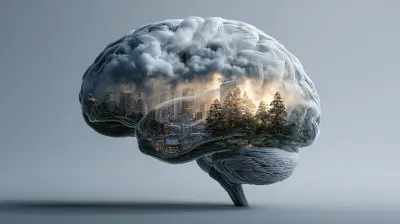
The Unconscious Decision: Choice Before Awareness
15 September 2026

Introduction
The human mind is a complex landscape, where decisions are often made long before we are consciously aware of them. This phenomenon, commonly referred to as unconscious decision-making, reveals a fundamental truth about how we operate in the world: our choices are frequently influenced by factors that lie beyond our immediate awareness. Understanding this process can help us navigate our lives more effectively, leading to better outcomes in both personal and professional realms.
The Mechanics of Unconscious Decision-Making
What is Unconscious Decision-Making?
Unconscious decision-making refers to the processes that occur in our minds without our conscious awareness. These decisions are influenced by a range of factors, including past experiences, emotions, social norms, and even biological instincts. The brain often makes these choices rapidly, allowing us to respond to situations without the need for deliberate thought.The Role of the Subconscious Mind
The subconscious mind plays a crucial role in shaping our decisions. It acts as a repository for our experiences, beliefs, and memories. When faced with a choice, the subconscious can draw upon this information, guiding us toward a decision that aligns with our past experiences or emotional states. This means that many of our decisions are not the result of rational deliberation but rather instinctive responses shaped by our subconscious.The Dual-Process Theory
Psychologists often refer to the dual-process theory to explain how we make decisions. This theory posits that there are two systems at work in our minds:1. System 1: Fast, automatic, and often unconscious. It handles routine decisions and emotional responses.
2. System 2: Slow, deliberate, and conscious. It engages in analytical thinking and complex problem-solving.
Most of our daily choices are governed by System 1, which operates on heuristics and biases. This can lead to quick decisions that are effective in many situations but can also result in errors or irrational choices.

Examples of Unconscious Decision-Making
Everyday Choices
Consider the simple act of choosing what to eat for lunch. You may find yourself gravitating toward a particular restaurant without consciously weighing the options. This choice can be influenced by past experiences, cravings, or even social cues from friends or colleagues. Your subconscious quickly processes these influences, leading you to a decision that feels effortless.Emotional Reactions
Unconscious decision-making often manifests in our emotional reactions. For instance, when meeting someone new, you may feel an immediate sense of trust or distrust. These feelings are often based on subconscious cues, such as body language or tone of voice, rather than a thorough analysis of the person's character. Understanding how emotions influence our decisions can help us manage our responses better.Consumer Behavior
In marketing, companies leverage unconscious decision-making to influence consumer behavior. Advertisements often appeal to emotions, creating associations that lead to brand loyalty. A well-crafted ad can evoke feelings of nostalgia or happiness, prompting a purchase without the consumer fully realizing the underlying motivations.
The Benefits of Understanding Unconscious Decisions
Enhanced Self-Awareness
Recognizing the role of the unconscious in decision-making can lead to increased self-awareness. By understanding the factors that influence our choices, we can begin to identify patterns in our behavior. This awareness allows us to question our instincts and consider whether they align with our true values and goals.Improved Decision-Making
When we acknowledge the unconscious influences on our decisions, we can actively work to counteract biases. For example, if you recognize that you tend to favor familiar options, you can make a conscious effort to explore new alternatives. This practice can lead to more informed and balanced decision-making.Greater Emotional Regulation
Understanding how emotions drive our decisions can also enhance emotional regulation. By recognizing when our feelings are influencing our choices, we can take a step back and evaluate whether those emotions are justified. This can prevent impulsive decisions that we may later regret.Common Misconceptions About Unconscious Decision-Making
All Decisions are Rational
One of the most prevalent misconceptions is that all decisions are rational. In reality, many choices are made based on instinct, emotions, and subconscious influences. Recognizing this can help individuals understand why they may struggle with certain decisions or feel conflicted about their choices.The Subconscious is Always Right
Another misconception is that the subconscious mind is infallible. While it can provide valuable insights based on past experiences, it is also susceptible to biases and irrationality. Being aware of this can help individuals approach their decisions with a critical eye, rather than accepting their initial instincts as absolute truth.Unconscious Decisions are Always Negative
While unconscious decision-making can lead to poor choices, it is not inherently negative. Many successful decisions are made unconsciously, allowing individuals to react quickly to situations. The key is to strike a balance between trusting your instincts and engaging in conscious deliberation when necessary.
Practical Strategies for Navigating Unconscious Decisions
Cultivating Mindfulness
Mindfulness practices can help individuals become more aware of their thoughts and feelings. By cultivating a present-moment awareness, you can recognize when unconscious influences are at play. Mindfulness can involve meditation, deep breathing, or simply taking a moment to pause before making a decision.Journaling Your Thoughts
Keeping a decision journal can be a powerful tool for understanding your decision-making processes. By writing down your choices, the factors that influenced them, and your feelings about the outcomes, you can identify patterns and develop greater self-awareness over time.Seeking Feedback
Engaging with trusted friends or mentors can provide valuable insights into your decision-making process. They can offer perspectives that you may not have considered, helping you to evaluate your choices more critically.Setting Clear Goals
Establishing clear goals can counteract the influences of the unconscious mind. When you have a defined objective, you can evaluate your decisions based on how well they align with your goals. This can help you resist the pull of short-term impulses in favor of long-term fulfillment.Embracing Discomfort
Many unconscious decisions are made in an effort to avoid discomfort. By embracing discomfort and challenging yourself to confront difficult choices, you can develop greater resilience and improve your decision-making skills.Balancing Unconscious and Conscious Decision-Making
Recognizing When to Trust Your Instincts
There are times when trusting your instincts is beneficial. For example, in high-pressure situations where quick decisions are required, relying on your subconscious can be advantageous. However, it is essential to differentiate between instinctual responses that are informed by experience and those that may be driven by biases.Engaging in Deliberate Reflection
In contrast, there are situations that call for careful reflection and analysis. When faced with significant decisions, such as career changes or relationship choices, taking the time to engage in conscious deliberation can lead to more satisfying outcomes.Creating a Decision-Making Framework
Establishing a framework for decision-making can help you balance both unconscious and conscious processes. This framework can include steps such as identifying the problem, gathering information, weighing options, and reflecting on the potential outcomes. By following a structured approach, you can harness the strengths of both systems.
Conclusion
The interplay between conscious and unconscious decision-making is a fascinating aspect of human psychology. By understanding how our unconscious influences our choices, we can become more mindful and intentional in our decision-making processes. This awareness can lead to improved self-understanding, better emotional regulation, and ultimately, more fulfilling outcomes in life.
all images in this post were generated using AI tools
Category:
PsychoanalysisAuthor:

Ember Forbes