The Science Behind Psychological Assessments Explained
8 December 2025
Psychological assessments. Sounds fancy, right? Like something out of a sci-fi movie where they hook you up to a machine that reads your mind. But in reality, it’s just a mix of questions, puzzles, and observations designed to figure out what’s going on upstairs.
So, if you've ever wondered how psychologists seem to know you better than your nosy aunt at family gatherings, buckle up—we’re about to dive into the fascinating world of psychological testing! 
What Is a Psychological Assessment?
Alright, let’s break this down: A psychological assessment is essentially a deep dive into a person’s thoughts, feelings, and behaviors. Think of it as taking your brain in for a check-up—but instead of a stethoscope, they use tests, interviews, and sometimes even a little bit of observation.These assessments are used for all sorts of reasons: diagnosing mental health conditions, understanding personality traits, assessing cognitive abilities, or even helping companies figure out if you’re the right fit for a job. (Yep, those weird job application personality tests? They come from this world.) 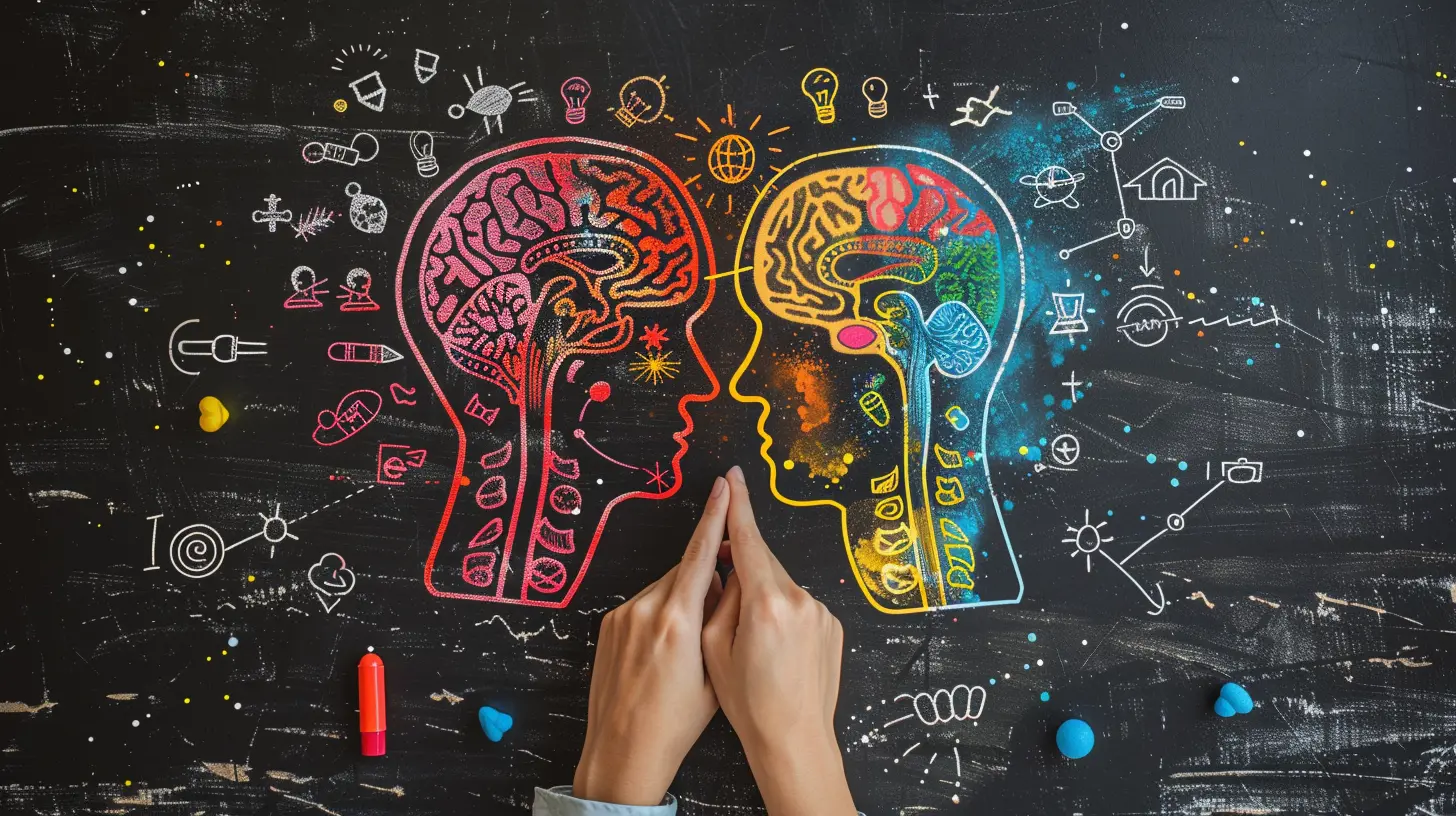
The Different Types of Psychological Assessments
Not all assessments are created equal. Depending on what needs to be evaluated, psychologists use different types of tests. Let’s go over the most common ones:1. Intelligence Tests (IQ Tests)
Ever taken an IQ test online and felt either like a genius or a potato? Well, real IQ tests are much more sophisticated. The most well-known ones include:- Wechsler Adult Intelligence Scale (WAIS) – For adults who want to know if they can finally win at trivia night.
- Stanford-Binet Intelligence Test – Often used with kids to gauge cognitive abilities early on.
- Raven’s Progressive Matrices – Measures abstract reasoning, minus the language barrier.
IQ tests assess problem-solving skills, memory, and logical reasoning. But before you get too excited (or worried), remember that intelligence isn't just about test scores—social skills, creativity, and emotional intelligence matter too!
2. Personality Tests
Want to know if you’re introverted, extroverted, or a chaotic mix of both? Personality assessments are here to put a label on your quirks.Popular ones include:
- The Big Five Personality Test – Measures openness, conscientiousness, extraversion, agreeableness, and neuroticism. Fancy, right?
- The Minnesota Multiphasic Personality Inventory (MMPI-2) – Great for diagnosing psychological disorders. It’s like a personality X-ray.
- The Myers-Briggs Type Indicator (MBTI) – Makes you feel special with a four-letter personality type. (I’m an INTP—what about you?)
These tests help in therapy, career counseling, and even relationships. Because let’s be honest—knowing someone’s personality type can help you avoid those “why are they like this?” moments.
3. Neuropsychological Tests
If you’ve ever wondered if your forgetfulness is just you being scatterbrained or something more serious, neuropsychological tests can help. These are used to assess brain function and detect cognitive impairments caused by brain injuries, dementia, or neurological disorders.Common ones include:
- The Stroop Test (Where you have to say the color of the word and not the word itself—way harder than it sounds.)
- Wisconsin Card Sorting Test (Tests your ability to adapt and solve problems.)
- Trail Making Test (Measures speed, attention, and mental flexibility.)
These tests help doctors and psychologists figure out how well your brain is functioning and whether any interventions are needed.
4. Projective Tests
Now, these are the quirky ones. Instead of answering straightforward questions, you’re shown ambiguous images (like inkblots) and asked what you see. The idea? Your subconscious thoughts and feelings will sneak their way into your answers.Popular examples:
- Rorschach Inkblot Test – The OG of projective tests. (No, it's not just a bunch of random blobs.)
- Thematic Apperception Test (TAT) – You look at pictures and make up a story—your answers supposedly reveal underlying emotions and motives.
These are sometimes used in therapy to dig deeper into someone’s psyche, though their reliability is a bit controversial in the scientific community.
5. Behavioral Assessments
Sometimes, actions speak louder than words. Behavioral assessments involve observing how someone behaves in different situations to understand their thought processes, emotional responses, and coping mechanisms.This can be done through:
- Direct observation – A psychologist watches how you interact with the world. (Not in a creepy way.)
- Self-monitoring – You track your own behaviors, like mood swings, sleep patterns, or stress triggers.
- Functional Behavior Assessment (FBA) – Often used in schools to understand problematic behaviors in children.
Behavioral assessments are crucial in diagnosing conditions like ADHD, autism, and anxiety disorders. 
How Psychological Assessments Work
So, what actually happens when you go in for an assessment? No, they won’t hook you up to a lie detector or make you confess your deepest secrets (unless you want to). The process usually goes like this:1. The Initial Interview
This is like a “getting to know you” session. The psychologist asks about your history, concerns, and what’s been going on in your life. It’s a bit like therapy but with a specific goal in mind.2. The Testing Phase
Here’s where the magic happens. Depending on the purpose, you might take a mix of standardized tests, answer questionnaires, or even solve puzzles. Some tests are timed, some aren’t, and some just feel like a pop quiz from the universe.3. The Observation Period
Sometimes, psychologists want to see how you behave naturally. They might observe you in a structured setting (like a classroom or workplace) or just take note of how you react to certain scenarios.4. The Results and Feedback
Once the tests are done, the psychologist analyzes the results and gives you insights. This step can be eye-opening, helping you understand more about yourself—your strengths, weaknesses, and areas for improvement.
Why Psychological Assessments Matter
You might be wondering, “Okay, but why should I care?” Well, these assessments can:✔ Help diagnose mental health conditions (because Googling symptoms is NOT a valid diagnosis).
✔ Improve self-awareness (finally, an explanation for why you do what you do).
✔ Guide therapy and treatment plans.
✔ Assist with academic and career decisions (so you don’t waste years in the wrong field).
✔ Help organizations pick the right employees (aka, avoid hiring a nightmare coworker).
Basically, psychological assessments help people make informed decisions about their lives, relationships, and well-being.
Final Thoughts
Psychological assessments aren’t as intimidating as they sound. They’re just well-structured tools designed to understand human behavior a little better. And let’s be real—who doesn’t want to understand themselves (or others) a bit more?So, next time you take one of those “What type of bread are you?” quizzes online, just remember—there’s a whole science behind understanding personality, behavior, and intelligence. And while being a baguette might be fun, a real psychological assessment can offer insights that actually matter.
Stay curious, stay self-aware, and don’t be afraid to dive into the fascinating world of psychology!
all images in this post were generated using AI tools
Category:
Psychological TestingAuthor:

Ember Forbes
Discussion
rate this article
1 comments
Dusk Flores
Psychological assessments are essential tools for understanding the human mind—no apologies needed, just results!
December 8, 2025 at 5:41 AM
Ember Forbes
Thank you for your support! I completely agree—psychological assessments provide valuable insights into the complexities of the human mind.