The Science Behind Emotional Exhaustion
7 August 2026
You know that feeling when you wake up already tired, not because you didn't sleep, but because the thought of facing the day drains you before it even starts? That is not just a bad mood. That is emotional exhaustion, and it operates on a level far deeper than simple fatigue. It is a state where your emotional reserves are empty, and your brain is running on fumes. For years, we have dismissed it as a sign of weakness or a lack of grit, but the science tells a very different story. This is a physiological and neurological event, not a character flaw.
Emotional exhaustion is the core component of burnout, but it can also exist on its own. It happens when the demands placed on your emotional capacity consistently outpace your ability to replenish it. Think of it like a smartphone battery that never gets a full charge. You use it all day, plug it in for fifteen minutes, and then expect it to run a marathon. Eventually, the battery degrades, and even the short tasks become impossible. Your brain does the same thing, but the degradation is not just metaphorical. It is chemical, structural, and deeply biological.
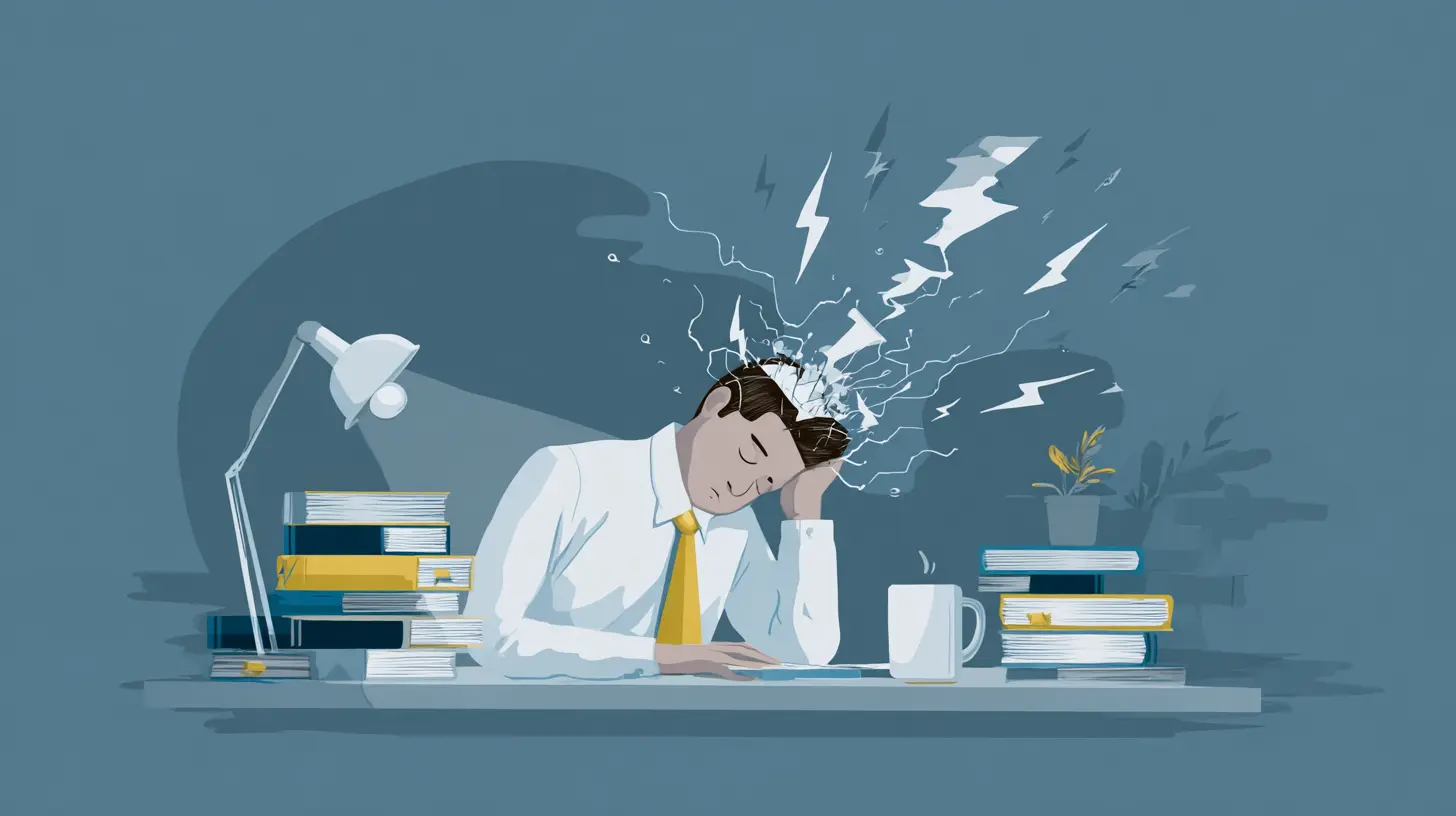
The Brain's Fuel System: What Actually Runs Out
To understand emotional exhaustion, you have to look at the amygdala, the prefrontal cortex, and the hypothalamic-pituitary-adrenal (HPA) axis. These three systems work together to manage your emotional responses. The amygdala is your alarm system. It scans for threats, both physical and social. The prefrontal cortex is your rational manager, the part that says, "Stay calm, this is just a difficult email, not a tiger." The HPA axis is the chemical engine that releases cortisol and adrenaline when the alarm goes off.When you face a stressful situation, the amygdala fires, the HPA axis releases cortisol, and your body prepares for action. That is fine for short bursts. It is how you survive a near-miss on the highway or handle a sudden crisis at work. The problem begins when that system never gets to turn off. Chronic stress, whether from a demanding job, a toxic relationship, or relentless financial pressure, keeps the HPA axis active. Cortisol levels stay elevated, and the amygdala becomes hypersensitive. It starts firing at smaller and smaller triggers.
Here is the tricky part. The prefrontal cortex, which is supposed to regulate the amygdala, gets flooded with cortisol. Under normal conditions, it can say, "That is not a threat." But under chronic stress, it loses its grip. It is like a fire alarm that is stuck on, and the fire department has stopped responding because there have been too many false alarms. The result is that you feel emotionally raw, reactive, and exhausted because your brain is literally running a constant state of low-grade emergency. The energy required to maintain that state is enormous, and it leaves nothing left for actual thinking, empathy, or joy.

Why Resting Does Not Fix It
The most common mistake people make with emotional exhaustion is treating it like physical exhaustion. They think, "I just need a weekend off, a good night's sleep, or a vacation." And they are often shocked when they come back from a week in the mountains and feel just as drained as before. That is because emotional exhaustion is not a sleep deficit. It is a recovery deficit.Physical fatigue is about muscle glycogen and cellular waste products. Sleep clears those out efficiently. Emotional exhaustion is about neural pathways and hormonal balance. Your HPA axis does not reset just because you are lying on a beach. It resets when your brain perceives safety, not just rest. If you are lying on a beach but still mentally replaying every mistake you made last month, your brain is still in threat mode. The amygdala does not care that you have a piña colada in your hand. It cares about the mental images you are feeding it.
This is why passive rest often fails. Watching television, scrolling social media, or even sleeping does not provide the specific type of recovery the emotional brain needs. What it needs is a reduction in cognitive load and a sense of agency. You need to feel like you have control over your environment, not just that you are temporarily removed from it. A vacation can help, but only if you are not constantly checking your phone or worrying about what is happening back home. The brain needs a clear signal that the threat is gone, and that signal has to come from your thoughts, not just your schedule.
The Role of Empathy and Emotional Labor
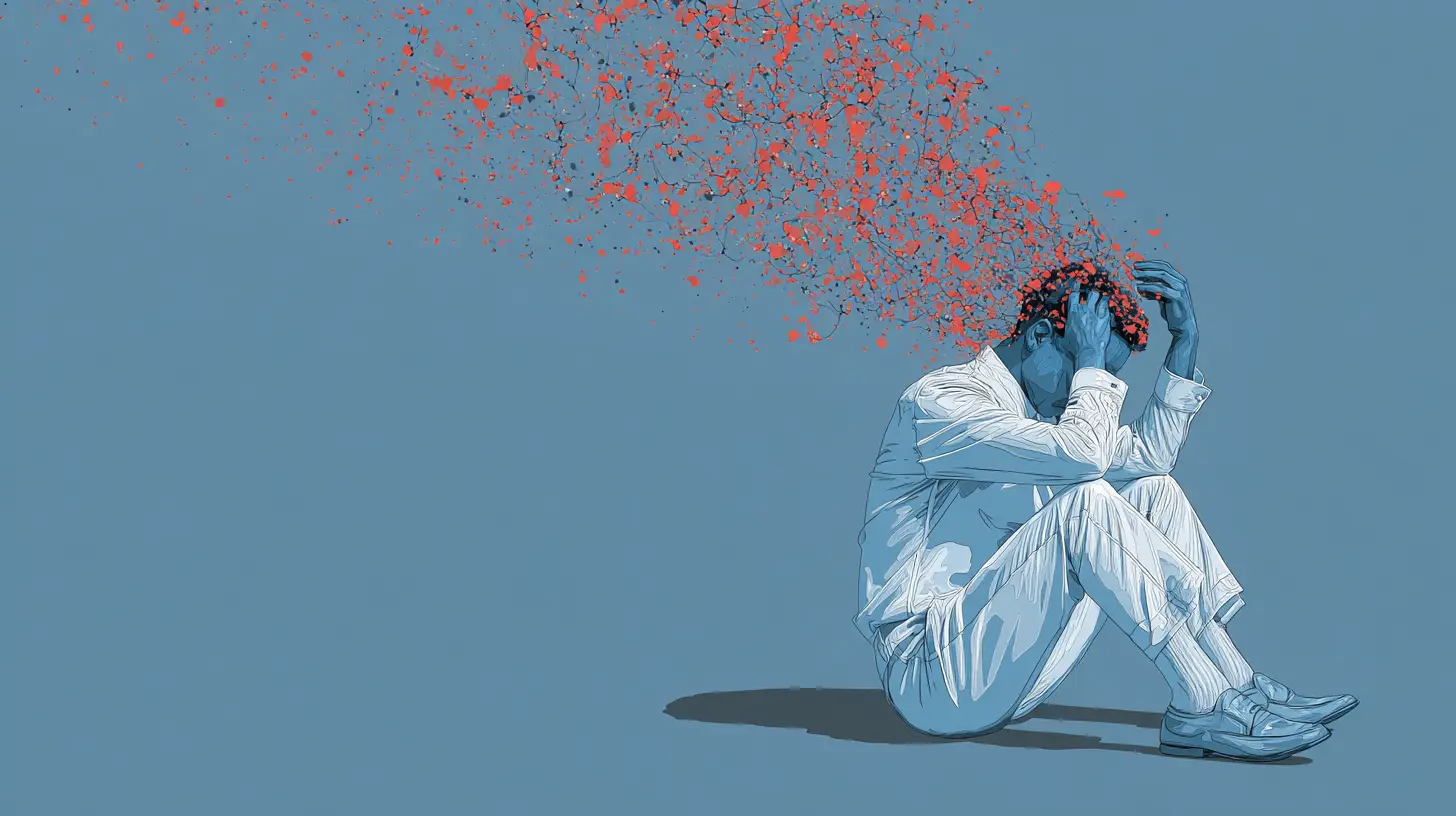
There is a specific type of emotional exhaustion that does not get enough attention, and it comes from emotional labor. This is the work of managing your own emotions to meet the expectations of a role. Think of a customer service representative who has to stay cheerful while being yelled at. Or a nurse who has to remain calm and compassionate when a patient is abusive. Or a manager who has to deliver bad news without showing their own frustration.Emotional labor requires constant suppression of your natural emotional responses. You feel angry, but you smile. You feel sad, but you project confidence. This is not just acting. It is a cognitive process that requires continuous monitoring and adjustment. That process is exhausting in a way that physical work is not, because it never stops. You cannot finish a shift and leave your emotions at the door. The suppression continues, and often, it leaks out later in ways you do not expect.
This is particularly prevalent in caregiving professions and in women, who are often socially conditioned to perform more emotional labor both at work and at home. The cost is high. Studies have shown that people who engage in high levels of emotional labor have higher rates of depression, anxiety, and cardiovascular problems. The reason is that suppressing emotions does not reduce the physiological arousal associated with them. It actually increases it. You feel the anger, you just do not show it, and your body pays the price in elevated stress hormones and blood pressure.
The best practice here is not to suppress less, but to find safe outlets for the emotions you are holding. That might mean venting to a trusted friend, writing in a journal, or engaging in physical activity that releases the pent-up energy. The key is to give the emotion a channel, because if you just push it down, it will eventually find a way out, often in the form of an explosion over something trivial or a deep sense of apathy.

The Exhaustion of Ambiguity and Decision Fatigue
Another major contributor to emotional exhaustion is decision fatigue, especially when the decisions are ambiguous and carry emotional weight. Your brain has a finite amount of decision-making capacity each day. When you spend it on trivial things, like what to wear or what to eat, you have less for important things. But when the decisions themselves are emotionally charged, the drain is even faster.Consider a manager who has to decide whether to fire an underperforming employee who is also a friend. Or a parent deciding how to handle a teenager who is acting out. These decisions are not just logical. They involve weighing emotional consequences, predicting reactions, and managing your own guilt or anxiety. Each one of these decisions requires your prefrontal cortex to work overtime, and the more ambiguous the situation, the more energy it takes. There is no clear right answer, so your brain keeps looping through possibilities, searching for a solution that does not exist.
This is why emotional exhaustion is so common in people who are in leadership positions or who have to make judgment calls with incomplete information. The constant ambiguity is a cognitive tax. The best way to manage this is to create decision rules for yourself in advance. Decide ahead of time what your boundaries are, what your non-negotiables are, and what the criteria for a decision will be. This reduces the cognitive load because you are not starting from scratch each time. You are applying a pre-set framework, which is much less draining.
The Misconception of "Just Thinking Positive"
One of the most damaging pieces of advice for someone who is emotionally exhausted is to "just think positive." This comes from a misunderstanding of how the brain works. Positive thinking is a cognitive strategy, and it requires energy. When you are exhausted, you do not have the cognitive resources to reframe negative thoughts. Telling someone with a broken leg to "just walk it off" is obviously cruel, but we do the equivalent to people with emotional exhaustion all the time.Positive thinking is useful as a preventive measure or as a tool when you have some reserve left. It is useless when you are running on empty. In fact, forcing positive thoughts when you are exhausted can backfire. It creates a sense of failure because you cannot do it, which adds to the emotional load. This is known as the "tyranny of positivity," and it is a real phenomenon. You end up feeling bad about feeling bad, which is a double burden.
What works better is radical acceptance. This is not about being positive. It is about acknowledging that the situation is what it is, that you are exhausted, and that it is okay to be exhausted. Acceptance reduces the secondary stress of fighting your own feelings. It is a form of emotional offloading. You stop wasting energy on the battle against your own state, and that frees up a small amount of capacity for actual recovery.
The Physical Toll You Cannot Ignore
Emotional exhaustion is not just in your head. It has a direct impact on your body. The prolonged elevation of cortisol leads to inflammation, which is a precursor to a host of health problems, including heart disease, diabetes, and autoimmune disorders. It also disrupts your sleep architecture. You might fall asleep fine, but you wake up at 3 a.m. and cannot get back to sleep because your brain is still processing stress. This is not insomnia in the classic sense. It is a hyperarousal state that prevents deep restorative sleep.The gut-brain axis is also involved. Your digestive system is lined with neurons that are directly connected to your brain. When you are emotionally exhausted, your gut often reacts. You might have stomach issues, changes in appetite, or a feeling of nausea that has no physical cause. This is because the stress response shuts down digestion to prioritize energy for muscles and the brain. Over time, this leads to poor nutrient absorption and a weakened immune system. People who are emotionally exhausted get sick more often, and they take longer to recover.
This is why the advice to "just exercise more" can be counterproductive when you are exhausted. Moderate exercise is great for stress relief, but intense exercise when you are already running on empty can be too much. It adds physical stress to an already stressed system. The better approach is gentle movement. Walking, stretching, or yoga that focuses on breathing and relaxation, rather than performance, is more aligned with what your body actually needs.
Why Some People Are More Prone to It
There is a genetic and personality component to emotional exhaustion. People who are highly sensitive, meaning they process sensory and emotional information more deeply, are more prone to it. This is not a flaw. It is a trait that has evolutionary advantages, like being more attuned to the needs of others or to subtle changes in the environment. But it also means that their emotional fuel tank is drained faster because they are absorbing more input.Perfectionists are also at high risk. They set standards that are impossible to meet, and the gap between the ideal and the reality is a constant source of stress. They are also less likely to ask for help or to take breaks, because they feel that doing so would be a sign of weakness. The irony is that their perfectionism is often a defense mechanism against the anxiety of making mistakes, but it creates the very exhaustion that makes mistakes more likely.
Introverts and extroverts experience emotional exhaustion differently. Introverts are drained by social interaction, even positive social interaction. Extroverts are drained by isolation. The key is to know which one you are and to structure your recovery accordingly. An introvert needs solitude to recharge. An extrovert needs connection. If you force an introvert into a week of networking events, they will be more exhausted than if they had worked a double shift. If you isolate an extrovert, they will feel a similar drain.
The Recovery Protocol That Actually Works
Recovery from emotional exhaustion is not a single action. It is a protocol, and it takes time. The first step is to stop the bleeding. That means identifying the primary source of stress and removing yourself from it, even temporarily. This is not always possible, but you have to make a change, even a small one. It might be taking a day off, delegating a task, or having a difficult conversation that you have been avoiding.The second step is to regulate your nervous system. This is best done through breathing exercises, specifically slow exhale breathing. When you exhale for longer than you inhale, you activate the parasympathetic nervous system, which is the rest and digest response. This is not a placebo. It is a direct physiological lever. A simple pattern is to inhale for four counts and exhale for six or eight. Doing this for five minutes, several times a day, can lower cortisol levels and signal to your amygdala that you are safe.
The third step is to rebuild your emotional reserves through positive social connection. This is not about networking or small talk. It is about spending time with people who make you feel seen and heard, where you do not have to perform. This releases oxytocin, which counteracts the effects of cortisol. It is the biological basis of why talking to a good friend makes you feel better.
The fourth step is to restore a sense of control. Emotional exhaustion is often accompanied by a feeling of helplessness. You feel like you have no agency. To counter this, you need to take small, deliberate actions that you control. It could be as simple as making your bed, cooking a meal from scratch, or organizing a drawer. The exact activity does not matter. What matters is that you are taking action, and you are seeing a result. This rebuilds the neural pathways associated with self-efficacy.
The Trade-Offs of Common Coping Strategies
People often turn to alcohol, comfort food, or excessive screen time to cope with emotional exhaustion. These work in the short term, but they have significant trade-offs. Alcohol is a depressant. It might help you fall asleep, but it disrupts REM sleep, which is essential for emotional processing. You wake up without having actually processed anything. Comfort food gives you a quick dopamine hit, but the subsequent blood sugar crash adds to your fatigue. Screen time, especially social media, provides distraction, but it also exposes you to more emotional triggers and comparison, which increases stress.The better alternatives are not as instantly gratifying, but they are more sustainable. A warm bath, a walk in nature, or listening to music that you find soothing can all activate the parasympathetic nervous system without the negative side effects. The key is to choose activities that require low cognitive effort but provide sensory comfort. This is why a weighted blanket or a hot cup of tea can be genuinely helpful. They are not just pleasant. They are physical signals that tell your body to downshift.
When It Is Time to Seek Professional Help
There is a point where self-management is not enough. If you have been emotionally exhausted for months, if you have lost interest in things you used to enjoy, if you feel hopeless, or if you are having thoughts of self-harm, you need to see a mental health professional. This is not a sign of failure. It is a sign of wisdom. A therapist can help you identify the patterns that are keeping you stuck, and they can prescribe treatments that go beyond lifestyle changes.Cognitive behavioral therapy has a strong evidence base for burnout and exhaustion. It helps you identify the distorted thoughts that are fueling your stress, like "I have to do everything" or "If I stop, everything will fall apart." It also gives you practical tools to challenge those thoughts. Medication, specifically SSRIs or SNRIs, can also be helpful, especially if the exhaustion is accompanied by depression or anxiety. These are not a cure, but they can lower the baseline level of stress so that you have the energy to do the therapeutic work.
The hard truth is that emotional exhaustion is not a phase. It is a signal that something in your life is fundamentally out of balance. It is your body and brain telling you that the way you are living is not sustainable. Ignoring it leads to a breakdown. Listening to it leads to a redesign of your life. The science is clear: you cannot outrun your biology. You can only learn to work with it.
all images in this post were generated using AI tools
Category:
Emotional BurnoutAuthor:

Ember Forbes
Discussion
rate this article
1 comments
Thornefield Cain
This article effectively highlights how emotional exhaustion affects mental health. Understanding its causes and symptoms is crucial for anyone feeling drained. It's a reminder to prioritize self-care and seek support.
August 16, 2026 at 4:10 AM